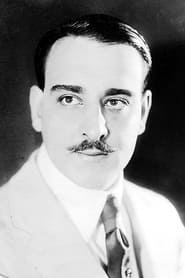
Fred Malatesta
Actor
Born: April 9, 1889 in Naples, Italy Died: April 19, 1952 Active: 1921-1927 Birth Name: Frederick Malatesta
Films
7 films
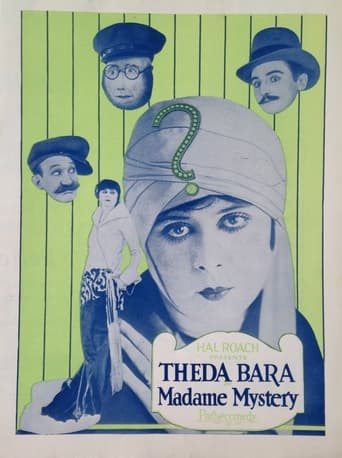
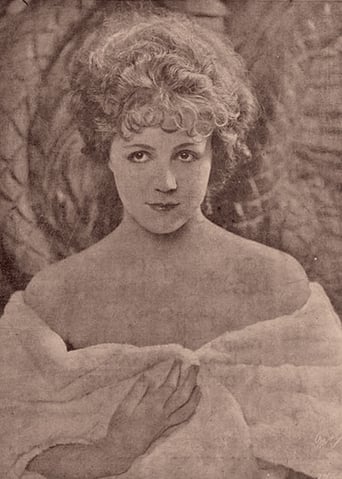
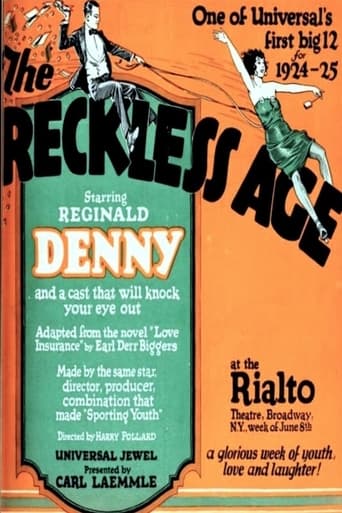
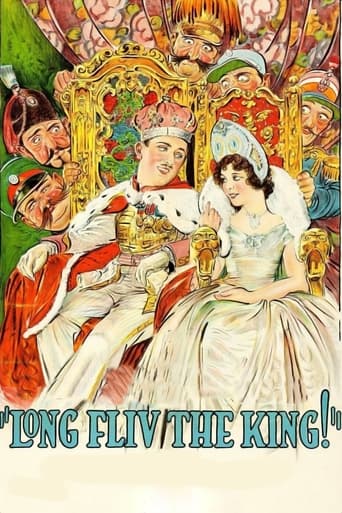
About Fred Malatesta
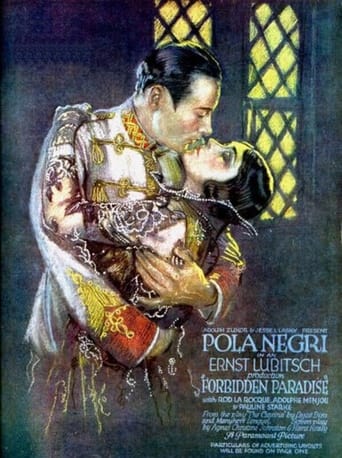
prolific character actor and supporting player during the silent film era — known for his distinctive appearance and versatility in portraying various ethnic types, particularly villains and comic relief characters. Born in Italy, he immigrated to the United States and began his film career in the early 1920s, quickly establishing himself as a reliable character actor at major studios including Paramount and Famous Players-Lasky. His most productive period spanned from 1921 to 1927, during which he appeared in over 50 films, often typecast as foreign noblemen, villains, or comedic sidekicks. Malatesta worked with several prominent directors of the era, including Ernst Lubitsch on 'Forbidden Paradise' and appeared alongside stars like Mary Pickford and Pola Negri. As the transition to sound films began in the late 1920s, his career began to wane, possibly due to his thick accent and the changing demands of the industry. Despite his relatively brief peak period, he left a significant mark on silent cinema through his memorable characterizations and consistent work ethic.
The Craft
On Screen
Malatesta was known for his exaggerated, theatrical style typical of silent film character actors, using expressive facial features and physical gestures to convey emotion and character type. He specialized in portraying ethnic stereotypes with distinctive mannerisms, often playing European noblemen, villains, or comic relief characters with a flair for the dramatic.
Milestones
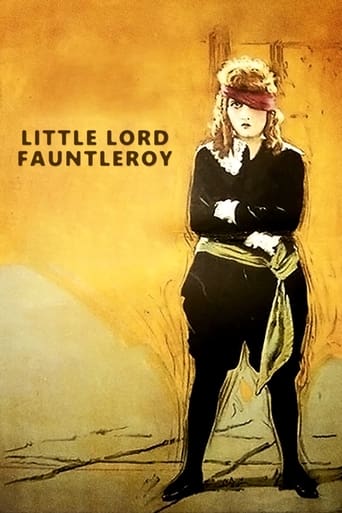
- Film debut in 'Little Lord Fauntleroy' (1921) starring Mary Pickford
- Collaboration with director Ernst Lubitsch on 'Forbidden Paradise' (1924)
- Regular supporting roles at Paramount Pictures during the mid-1920s
- Transition from bit parts to credited character roles
- Worked with major stars of the silent era including Pola Negri and Clara Bow
Best Known For
Iconic Roles
Must-See Films
Working Relationships
Worked Often With
Studios
Why They Matter
Impact on Culture
Fred Malatesta represents the archetype of the ethnic character actor who populated silent films, providing essential supporting roles that added texture and authenticity to productions. His work reflects the era's approach to typecasting and the demand for actors who could convincingly portray various nationalities and social types. Though not a star, his contributions to numerous productions helped establish the rich visual tapestry of silent cinema, particularly in the realm of melodramas and romantic adventures.
Lasting Legacy
While largely forgotten today, Fred Malatesta's career exemplifies the journey of many immigrant actors who found success in Hollywood during the silent era. His filmography serves as a valuable resource for understanding the supporting cast structures of 1920s cinema and the industry's reliance on versatile character actors. His appearances in several notable silent films with major stars ensure his place in film history as part of the ensemble that defined Golden Age Hollywood's foundation.
Who They Inspired
As a supporting actor, Malatesta's direct influence on other performers was limited, but his work ethic and adaptability in various character types set a standard for character actors of his era. His ability to transition between villainous and comic roles demonstrated the versatility required of supporting players in silent cinema, influencing how studios approached casting for ethnic and character parts.
Off Screen
Fred Malatesta immigrated to the United States from Italy in the early 20th century, settling in California to pursue his acting career. He married fellow actress Rita Carewe in 1925, though the marriage ended in divorce. After his film career declined with the advent of sound, he reportedly worked in other industries outside of entertainment. He spent his later years in Los Angeles, where he passed away in 1952 at the age of 63.
Family
- Rita Carewe (1925-1928)
Did You Know?
- Born in Naples, Italy, and immigrated to America as a young man
- Appeared in over 50 films during his seven-year active period
- Often typecast as a villain or foreign character due to his Mediterranean features
- Worked with Mary Pickford in one of her most famous films, 'Little Lord Fauntleroy'
- His career coincided exactly with the peak and decline of the silent era
- Married actress Rita Carewe, daughter of silent star Dorothy Dalton
- His last credited film appearance was in 1927, just as sound films began to dominate
- Like many character actors of his era, he did not successfully transition to talkies
- His real name was Frederick, but he used Fred professionally
- He worked with some of the biggest directors of the silent era including Ernst Lubitsch
Frequently Asked Questions
Who was Fred Malatesta?
Italian-American character with credits in this catalog. He was known for playing villains, foreign noblemen, and comic relief characters in over 50 films, often working alongside major stars like Mary Pickford and Pola Negri.
What films is Fred Malatesta best known for?
Titles linked here include Little Lord Fauntleroy (1921), Forbidden Paradise (1924).
When was Fred Malatesta born and when did he die?
Born April 9, 1889; died April 19, 1952.
What awards did Fred Malatesta win?
Fred Malatesta did not receive any major awards or nominations during his career. As a supporting character actor during the silent era, he was not typically recognized by award bodies, which were also less established during his active period.
What was Fred Malatesta's acting style?
Malatesta employed the theatrical, expressive style typical of silent film character actors, using exaggerated facial expressions and physical gestures to convey emotion. He specialized in ethnic characterizations, often playing European villains or comic relief roles with distinctive mannerisms.
Why did Fred Malatesta's career end in 1927?
His career ended around 1927 as the film industry transitioned from silent to sound films. Like many actors with distinctive accents or those heavily typecast in silent cinema, he likely struggled to adapt to the new demands of talking pictures, leading to his retirement from acting.
Was Fred Malatesta married?
Yes, Fred Malatesta was married to fellow actress Rita Carewe from 1925 to 1928. Rita Carewe was the daughter of silent film star Dorothy Dalton, making Malatesta part of Hollywood's acting community through marriage as well as profession.