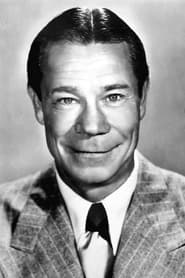
Joe E. Brown began his remarkable entertainment career in vaudeville as a teenager, where he developed his signature comedic style and physical comedy techniques. He successfully transitioned from silent films to talkies, becoming one of Warner Bros.' biggest comedy stars in the early 1930s with his trademark wide mouth and rubber-faced expressions. Brown specialized in playing naive, good-hearted characters in family-friendly comedies that appealed to Depression-era audiences. During World War II, he became one of Hollywood's most dedicated USO performers, conducting over 200 shows for troops and earning military decorations for his service. His career experienced a major revival with his memorable role as Osgood Fielding III in Billy Wilder's 'Some Like It Hot' (1959), where he delivered one of cinema's most final lines. Brown's five-decade vaudeville, silent films, talkies, radio, television, and Broadway, making him versatile entertainers of his generation. His clean, wholesome approach to comedy and dedication to entertaining troops cemented his legacy as both a beloved entertainer and American patriot.
The Craft
On Screen
Brown's comedic style was characterized by his extraordinary physical comedy, particularly his famously wide mouth and rubber-faced expressions that became his visual trademark. He specialized in portraying naive, good-natured characters who stumbled through comedic situations with infectious enthusiasm and charm. His comedy was clean, wholesome, and family-friendly, relying heavily on physical gags, timing, and his ability to convey humor through exaggerated facial expressions rather than sophisticated wordplay. Brown's athletic background in baseball and acrobatics from his vaudeville years contributed to his dynamic physical presence and ability to perform elaborate stunts.
Milestones
Transition from vaudeville to film stardom in the 1920s
Became Warner Bros.' highest-paid comedy star in early 1930s
Starred in the hit baseball comedy 'Elmer, the Great' (1933)
Delivered final line in 'Some Like It Hot' (1959)
Received Academy Honorary Award in 1952
Performed over 200 USO shows during WWII
Successfully transitioned from silent films to talkies
Joe E. Brown married his first wife Kathryn Francis McGraw in 1915, and they remained married until her death in 1958. They had three children together: Joe E. Brown Jr., who became an actor but died tragically in a plane crash at age 42; Mary Katherine Ann Brown; and Larry Francis Brown. In 1959, Brown married Florence 'Flossie' Roberts, who remained with him until his death. Brown was known for his clean-living lifestyle and strong family values, which reflected in his wholesome screen persona. He was an avid baseball fan and accomplished player, having been offered a contract with the New York Giants before choosing show business. Brown was also a licensed pilot and a dedicated Freemason.
spouses
children
education
Limited formal education due to early vaudeville career; primarily self-taught through performance experience
studioAffiliations
frequentCollaborators
mentors
protégés
culturalImpact
Joe E. Brown's unique comedic style and physical comedy techniques significantly influenced generations of comedians who followed, particularly in the realm of visual humor and facial expression. His clean, family-friendly approach to comedy set an important standard during Hollywood's Golden Age, providing wholesome entertainment during the Depression and war years. His final line in 'Some Like It Hot' - 'Nobody's perfect' - became one of cinema's most quoted and beloved closing lines, ranked #1 on the American Film Institute's list of top movie quotes. Brown's extensive USO work during WWII established a precedent for celebrity military entertainment that continues to this day, demonstrating the power of entertainment to boost troop morale.
legacy
Joe E. Brown's legacy endures through his work in physical comedy and his memorable film performances that continue to entertain audiences decades after their release. His successful transition from vaudeville to cinema helped establish comedy as a legitimate and respected film genre during Hollywood's formative years. Brown's role in 'Some Like It Hot' introduced him to new generations and cemented his place in cinema history, while his Academy Honorary Award recognized his broader contributions to American entertainment. His influence can be seen in the work of later comedians who adopted elements of his rubber-faced comedy style and wholesome approach to humor.
influence
Brown's rubber-faced comedy style directly influenced later comedians including Jerry Lewis, who cited Brown as a major inspiration, and Jim Carrey, whose exaggerated facial expressions echo Brown's techniques. His ability to convey humor through physical expression rather than dialogue proved particularly valuable during the transition from silent films to talkies, demonstrating how visual comedy could transcend technological changes. Brown's success in both stage and screen entertainment established a template for multi-platform entertainment careers that became standard in Hollywood. His dedication to clean, family-friendly comedy provided an alternative to the more risqué humor of some contemporaries, broadening comedy's appeal to wider audiences.