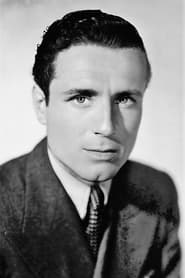
William Bakewell
Actor
Born: May 2, 1908 in Oklahoma City, Oklahoma, USA Died: April 15, 1993 Active: 1925-1975
Films
5 films
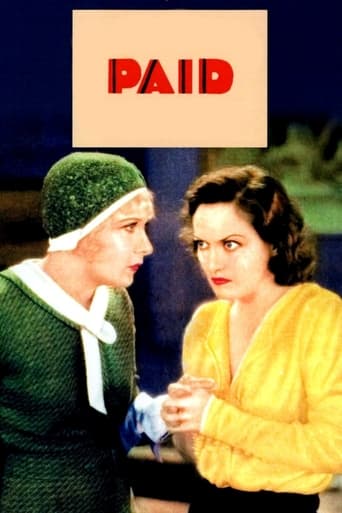
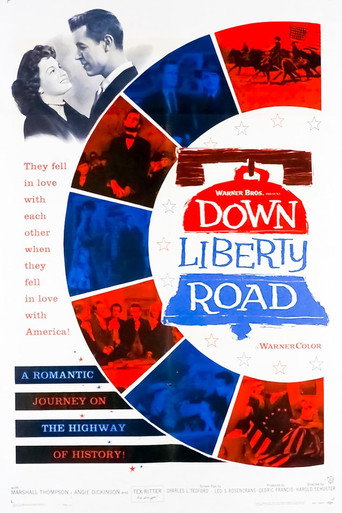
About William Bakewell
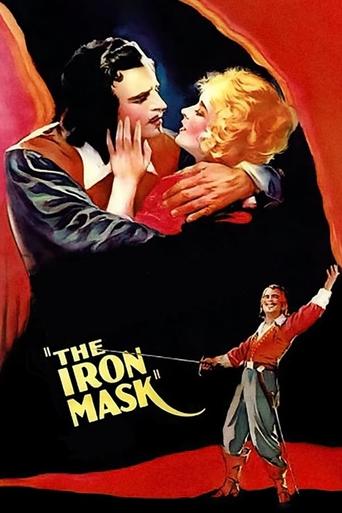
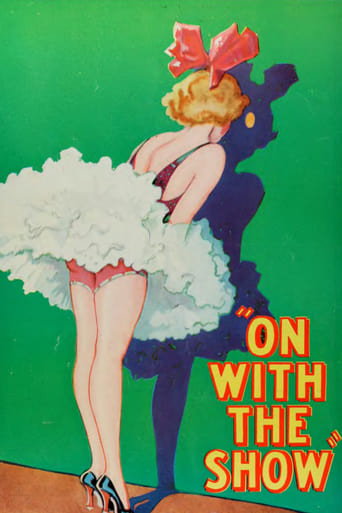
American actor: over five decades, beginning in the silent film era and continuing through the Golden Age of Hollywood. Born in Oklahoma City, Oklahoma, he moved to Hollywood as a teenager and quickly found work in films, making his debut in the mid-1920s. Bakewell successfully transitioned from silent films to talkies, appearing in the early sound film 'On With the Show!' (1929) and Douglas Fairbanks' 'The Iron Mask' (1929). Throughout the 1930s and 1940s, he became a familiar face in supporting roles, often playing the clean-cut, boy-next-door type or the loyal friend to the lead. His career was interrupted by World War II service in the Army Air Corps, after which he returned to acting, though often in smaller character roles. Bakewell continued working in film and television through the 1960s and 1970s, appearing in numerous TV series and maintaining a steady presence in Hollywood until his retirement.
The Craft
On Screen
Known for his natural, understated acting style that worked well in both dramatic and comedic roles. Bakewell possessed a boyish charm and earnestness that made him particularly effective as the sympathetic friend or romantic interest. His technique evolved from the more theatrical style of silent films to a more naturalistic approach in talkies, adapting well to the new medium of sound.
Milestones
- Successful transition from silent films to talkies
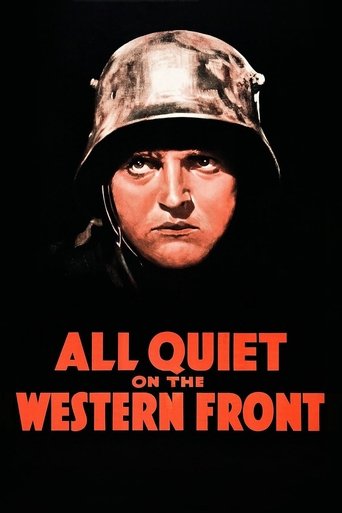
- Memorable role in 'All Quiet on the Western Front' (1930)
- Appeared in classic films 'The Public Enemy' (1931) and 'A Farewell to Arms' (1932)
- Served in Army Air Corps during WWII
- Long career spanning 50 years in film and television
Best Known For
Iconic Roles
Must-See Films
Accolades
Special Recognition
- Hollywood Walk of Fame star (located at 6325 Hollywood Boulevard)
Working Relationships
Worked Often With
Studios
Why They Matter
Impact on Culture
William Bakewell represents the quintessential Hollywood character actor who provided essential support to leading stars during Hollywood's golden era. His successful transition from silent films to talkies exemplified the adaptability required of actors during this technological revolution. Bakewell's performances in socially significant films like 'All Quiet on the Western Front' contributed to the early sound era's most powerful anti-war statements, helping establish cinema as a medium for serious social commentary.
Lasting Legacy
Bakewell's legacy lies in his remarkable longevity and versatility as a character actor across multiple decades of Hollywood history. With over 150 film and television credits to his name, he exemplified the journeyman actor who could be relied upon for solid, professional performances regardless of the genre or budget. His career shows the importance of supporting players in creating memorable films, and his ability to adapt from silent films through the transition to sound and eventually television demonstrated remarkable professional resilience.
Who They Inspired
While not a major star who influenced generations of actors through iconic performances, Bakewell's consistent professionalism and adaptability set an example for character actors. His successful navigation of the industry's technological changes from silent to sound to television demonstrated how supporting actors could maintain careers through Hollywood's various evolutions. His work in ensemble casts helped establish the importance of well-cast supporting roles in creating cohesive and memorable films.
Off Screen
William Bakewell was married twice during his lifetime. He maintained a relatively private personal life away from the Hollywood spotlight, focusing on his craft and steady work in the industry. After retiring from acting, he lived quietly in Los Angeles until his death in 1993 at the age of 84.
Education
Attended Hollywood High School before beginning his film career
Family
- Mona Ray (1934-1938)
- Patricia O'Callaghan (1940-1993)
Did You Know?
- Was nicknamed 'The Star Maker' early in his career for his ability to make co-stars look good
- Appeared in the first all-talking movie 'On With the Show!' (1929)
- Was a classmate of future star Joel McCrea at Hollywood High School
- Served as a flight instructor in the Army Air Corps during World War II
- Made his film debut as an extra in 1925
- Was considered for the role of Ashley Wilkes in 'Gone with the Wind' (1939)
- His final film appearance was in 'The Cheap Detective' (1978)
- Was a founding member of the Screen Actors Guild
- Appeared in three films that were nominated for Best Picture Oscar
- Worked with virtually every major studio during his career
In Their Own Words
I never became a star, but I made a good living and I'm proud of the work I did.
In Hollywood, it's better to be a good character actor than a bad leading man.
The transition from silent to sound wasn't as hard for some of us because we could actually speak clearly.
Frequently Asked Questions
Who was William Bakewell?
American character with credits in this catalog. He appeared in over 150 films and TV shows, often playing supporting roles as the clean-cut friend or romantic interest to leading stars.
What films is William Bakewell best known for?
Titles linked here include The Iron Mask (1929), On With the Show! (1929).
When was William Bakewell born and when did he die?
Born May 2, 1908; died April 15, 1993.
What awards did William Bakewell win?
While William Bakewell did not receive major acting awards or Oscar nominations, he was honored with a star on the Hollywood Walk of Fame at 6325 Hollywood Boulevard in recognition of his contributions to the film industry.
What was William Bakewell's acting style?
Bakewell was known for his natural, understated acting style that worked well in both dramatic and comedic roles. He possessed a boyish charm and earnestness that made him particularly effective as the sympathetic friend or romantic interest, adapting successfully from the theatrical style of silent films to more naturalistic performances in talkies.