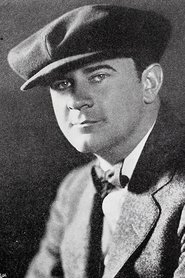
Eddie Gribbon
Actor
Born: January 3, 1887 in New York City, New York, USA Died: September 28, 1965 Active: 1915-1952 Birth Name: Edward Gribbon
Films
2 films
About Eddie Gribbon
Eddie Gribbon appeared in over 200 films during Hollywood's Golden Age, spanning from 1915 to 1952. Born in New York City, he began his career in silent films and successfully transitioned to talkies, demonstrating remarkable adaptability during this revolutionary period in cinema. Gribbon was known for his distinctive appearance, particularly his prominent mustache, and his versatility in playing both comedic and villainous roles. He worked extensively with major studios including Universal, MGM, and Warner Bros., becoming a reliable supporting presence in countless productions. Though rarely receiving top billing, he contributed significantly to many classic films of the 1920s through 1940s. His career exemplified the journeyman actor who made lasting contributions to cinema through consistent, professional performances. Gribbon retired in the early 1950s after nearly four decades in the film industry, leaving behind an impressive body of work that continues to be appreciated by classic film enthusiasts.
The Craft
On Screen
Eddie Gribbon was known for his versatility as a character actor, equally comfortable in comedic and dramatic roles. He had a distinctive appearance with his prominent mustache and expressive face, which made him instantly recognizable to audiences. His acting style was naturalistic yet theatrical enough for silent film, allowing him to convey emotion effectively through facial expressions and body language. In talkies, his gruff voice and New York accent added authenticity to his portrayals of tough guys, bartenders, and authority figures. Gribbon brought a sense of realism to every role, no matter how small, making his characters memorable even in brief appearances.
Milestones
- Appeared in over 200 films during his 37-year career
- Successfully transitioned from silent films to talkies
- Worked with all major Hollywood studios including Universal, MGM, and Warner Bros
- Notable supporting roles in classic films of the 1920s-1940s
- Became a recognizable character actor with his distinctive mustache
- Appeared in multiple Marx Brothers films
Best Known For
Iconic Roles
Must-See Films
Working Relationships
Worked Often With
Studios
Why They Matter
Impact on Culture
Eddie Gribbon represents the quintessential character actor of Hollywood's Golden Age, the type of reliable performer who appeared in countless films but rarely received top billing. His active years covered the entire transition from silent films to sound, demonstrating remarkable adaptability during one of cinema's most revolutionary periods. Gribbon and actors like him formed the backbone of Hollywood's studio system, providing the essential supporting performances that made films memorable and authentic. His work in classics like 'The Public Enemy' and 'Duck Soup' contributed significantly to these iconic productions, even in smaller roles. He exemplifies the journeyman actor who made lasting contributions to cinema history without ever becoming a household name, yet whose face remains familiar to classic film enthusiasts.
Lasting Legacy
Eddie Gribbon's legacy lies in his extensive body of work and his role as a representative of the character actors who populated Hollywood's Golden Age. With over 200 film appearances, he contributed to the fabric of American cinema during its most formative decades. His ability to transition between silent and sound films demonstrated the adaptability required of actors during this revolutionary period in film history. While he may not be remembered by name by most modern viewers, classic film enthusiasts recognize his face from numerous iconic productions. Gribbon's career shows the importance of character actors in creating rich, believable cinematic worlds and the vital role they played in establishing Hollywood's golden era of filmmaking.
Who They Inspired
As a character actor, Eddie Gribbon influenced subsequent generations of supporting performers through his professionalism and versatility. His ability to play both comedic and dramatic roles showed the value of range for character actors, demonstrating that supporting players could be just as essential to a film's success as its stars. His successful navigation of the transition from silent to sound films provided a model for other actors facing similar challenges during this technological revolution in cinema. Gribbon's career demonstrated that a successful acting career didn't necessarily require stardom, but rather consistency, reliability, and the ability to enhance every production regardless of role size. His work ethic and adaptability continue to serve as an example for character actors in the modern film industry.
Off Screen
Eddie Gribbon maintained a relatively private personal life away from the Hollywood spotlight, focusing primarily on his extensive acting career. He was married twice during his lifetime, first to Marion A. Schell from 1913 to 1932, and later to Helen Gribbon from 1933 until his death in 1965. Despite appearing in hundreds of films, Gribbon never achieved major stardom, which allowed him to maintain a degree of anonymity in his personal affairs. He was known as a reliable professional on set, respected by his colleagues for his work ethic and consistency. Gribbon spent his final years in Los Angeles, where he passed away at the age of 78.
Family
- Marion A. Schell (1913-1932)
- Helen Gribbon (1933-1965)
Did You Know?
- Appeared in over 200 films during his 37-year career
- Had a distinctive mustache that became his trademark
- Often played bartenders, police officers, or authority figures
- Successfully transitioned from silent films to talkies
- Was a New York native who maintained his accent throughout his career
- Frequently worked without on-screen billing in later films
- Appeared in multiple Marx Brothers films
- Was typecast as a villain in many early films
- His active years covered from the silent era through the early 1950s
- Often played characters much older than his actual age
- Worked with virtually every major Hollywood studio
- Was known for his reliability and professionalism on set
Frequently Asked Questions
Who was Eddie Gribbon?
Screen credits include over 200 films between 1915 and 1952. Known for his distinctive appearance with a prominent mustache, he played both comedic and villainous roles in silent films and successfully transitioned to talkies. He was a reliable supporting actor who worked with all major Hollywood studios during the Golden Age.
What films is Eddie Gribbon best known for?
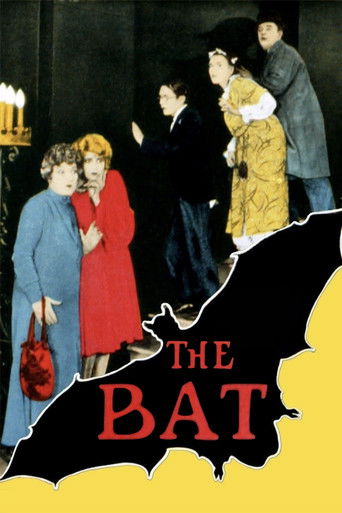
Titles linked here include The Bat (1926), The Big House (1930).
When was Eddie Gribbon born and when did he die?
Born January 3, 1887; died September 28, 1965.
What awards did Eddie Gribbon win?
Eddie Gribbon did not receive major awards or nominations during his career, which was common for character actors of his era. His recognition came primarily from his consistent work and the respect of his peers in the industry, rather than formal accolades or honors.
What was Eddie Gribbon's acting style?
Eddie Gribbon was known for his versatility as a character actor, equally comfortable in comedic and dramatic roles. His distinctive appearance and expressive face made him instantly recognizable, while his naturalistic yet theatrical style allowed him to convey emotion effectively in both silent and sound films, particularly as bartenders, police officers, and authority figures.
How did Eddie Gribbon contribute to classic cinema?
Eddie Gribbon contributed to classic cinema as. His versatility and professionalism helped establish the authenticity of countless productions, while his successful transition from silent to sound films demonstrated the adaptability required during cinema's technological revolution.