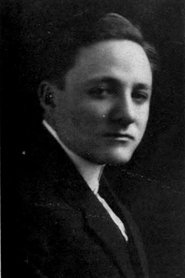
Roland West
Director
Born: February 20, 1885 in Cleveland, Ohio, USA Died: March 31, 1952 Active: 1915-1931 Birth Name: Roland Van Zimmer
Films
3 films
About Roland West
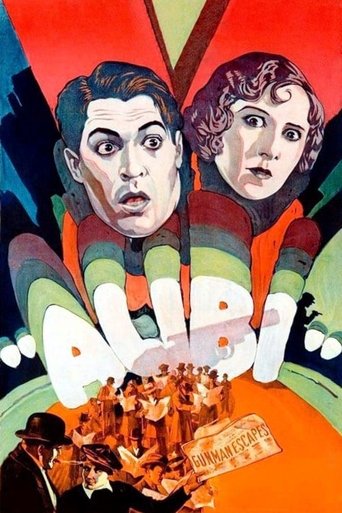
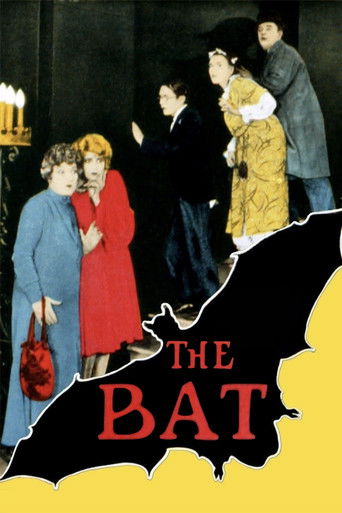
Roland West (1885-1952) was an innovative American film director who specialized in mystery and suspense during the silent era and early sound period. He began his career as an actor before transitioning to directing, making his directorial debut with 'The Monster' in 1925. West quickly established himself excelled in atmospheric thrillers with films like 'The Bat' (1926) and 'The Cat and the Canary' (1927), which showcased his innovative use of shadows, lighting, and camera angles to create tension. His 1929 film 'Alibi' was nominated for the Academy Award for Best Picture at the inaugural Oscars, demonstrating his critical acclaim during the transition to sound. West's career was cut short in the early 1930s, partly due to personal tragedy and the mysterious death of actress Thelma Todd, with whom he had a business relationship. Despite his relatively brief career, West's visual style and narrative techniques influenced the development of film noir and suspense cinema for decades to come.
The Craft
Behind the Camera
Known for his mastery of atmospheric suspense, innovative use of German Expressionist techniques, dramatic lighting, and shadow play. West pioneered camera movements and angles that created psychological tension, often using chiaroscuro lighting and architectural spaces to enhance the mysterious mood of his films.
Best Known For
Must-See Films
Accolades
Nominated
- Academy Award nomination for Best Picture - 'Alibi' (1929)
Special Recognition
- Recognized as an influential early suspense director
- Cited as a precursor to film noir techniques
Working Relationships
Worked Often With
Studios
Why They Matter
Impact on Culture
Roland West played a crucial role in establishing the visual and narrative vocabulary of American suspense cinema. His films prefigured many elements that would become staples of film noir, including psychological tension, moral ambiguity, and atmospheric settings. West's innovative use of lighting, camera angles, and architectural spaces influenced generations of filmmakers, particularly in the thriller and horror genres. His adaptation techniques for the transition from silent to sound cinema demonstrated how visual storytelling could be enhanced rather than diminished by the addition of dialogue and sound effects.
Lasting Legacy
Roland West's legacy lies in his contributions to the mystery and suspense genres during their formative years in American cinema. Though his directorial career was relatively brief, his visual techniques and narrative innovations influenced the development of film noir and psychological thrillers. Films like 'The Bat' and 'Alibi' are studied today for their sophisticated use of atmosphere and tension-building techniques. West's work represents an important bridge between German Expressionist cinema and American film noir, demonstrating how European cinematic styles were adapted and transformed within the Hollywood system.
Who They Inspired
West's atmospheric directing style directly influenced Alfred Hitchcock's early suspense techniques and Fritz Lang's American film noir work. His use of shadows and architectural spaces to create psychological tension became standard techniques in thriller filmmaking. Contemporary directors of horror and suspense films continue to employ techniques pioneered by West, particularly his understanding of how visual composition can create emotional and psychological impact without relying on explicit action or dialogue.
Off Screen
Roland West was married twice, first to actress Jewel Carmen, with whom he frequently collaborated. His second marriage was to actress Lola Lane. West's life was marked by tragedy and controversy, particularly his connection to the mysterious death of actress Thelma Todd in 1935. Todd was West's business partner in a restaurant called Thelma Todd's Sidewalk Cafe, and her death in the garage above the restaurant was never fully explained, though West was cleared of any wrongdoing. The incident haunted West for the rest of his life and contributed to his retreat from filmmaking.
Education
Attended Western Reserve University (now Case Western Reserve University) in Cleveland
Family
- Jewel Carmen (1922-1934)
- Lola Lane (1934-1952)
Did You Know?
- His birth name was Roland Van Zimmer, which he changed to Roland West for his film career
- He was a talented amateur boxer before entering the film industry
- The Bat (1926) was remade multiple times, including a 1959 version starring Vincent Price
- West's film 'Alibi' was one of the first 'all-talkie' films and featured innovative sound techniques
- He owned and operated Thelma Todd's Sidewalk Cafe with the actress until her mysterious death
- West was cleared of any wrongdoing in Thelma Todd's death, but the incident ended his directing career
- His films often featured haunted houses, mysterious figures, and psychological terror
- West was one of the first directors to successfully transition from silent films to talkies
- He briefly worked as a stockbroker before returning to filmmaking
- The Bat (1926) featured an early version of what would become the 'whodunit' mystery format
In Their Own Words
The camera is the eye of the audience, and it must see what the audience needs to feel.
Mystery is not in what is shown, but in what is suggested and left to the imagination.
Frequently Asked Questions
Who was Roland West?
When was Roland West born and when did he die?
Born February 20, 1885; died March 31, 1952.
What awards did Roland West win?
While Roland West did not win any major awards, his film 'Alibi' (1929) was nominated for the Academy Award for Best Picture at the inaugural Academy Awards. He is recognized today for his innovative contributions to suspense cinema.
What was Roland West's directing style?
West's directing style emphasized atmospheric suspense, dramatic lighting, and innovative camera techniques. He was influenced by German Expressionism and used shadows, architectural spaces, and psychological tension to create mystery. His visual approach prefigured many film noir techniques.
What was the Thelma Todd controversy?
The Thelma Todd controversy involved the mysterious death of actress Thelma Todd in 1935. Todd was West's business partner in a cafe, and her death in the garage above their restaurant was never fully explained. Though West was cleared, the scandal effectively ended his directing career.