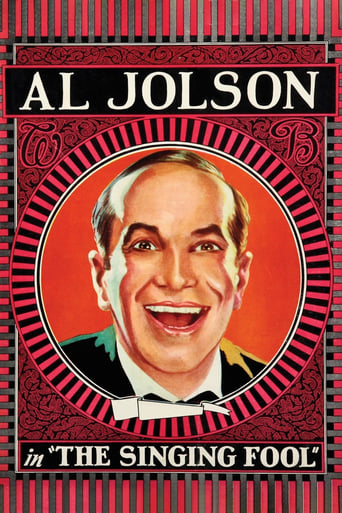
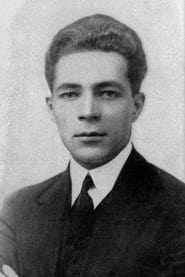
Arthur Housman
Actor
Born: October 10, 1886 in New York City, New York, USA Died: April 8, 1942 Active: 1913-1932
Films
9 films
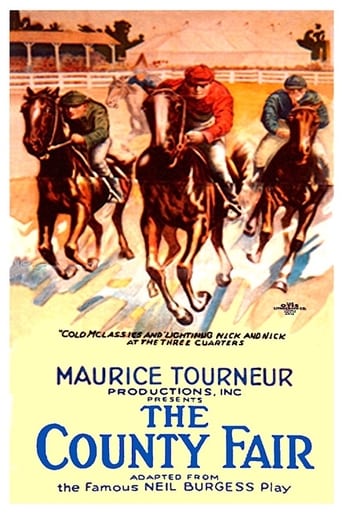
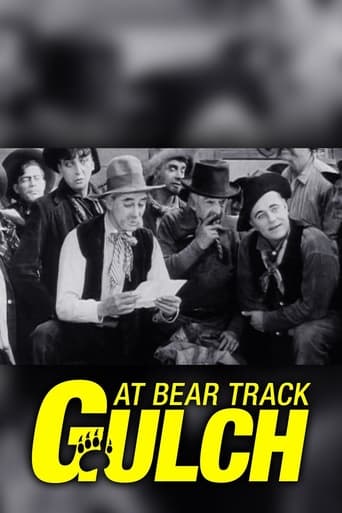
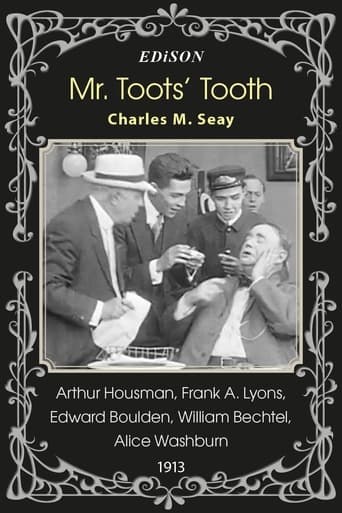
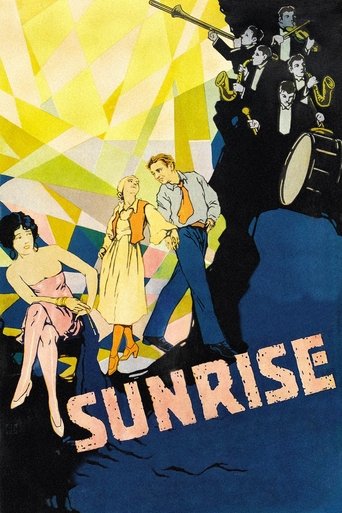

About Arthur Housman
Prolific American character actor of the silent film era, renowned for his distinctive appearance and specialized comic performances. Born in New York City in 1886, he began his film career in 1913 with Keystone Studios, quickly establishing himself as a reliable supporting player in comedies. Housman developed a signature persona as the tipsy, inebriated gentleman, a role he perfected with remarkable consistency throughout his career. His physical comedy skills, characterized by a staggered walk, slurred speech (even in silent films through pantomime), and perpetually befuddled expression, made him instantly recognizable to audiences. Arthur appears in over 200 films between 1913 and 1928, working with virtually every major comedy star of the era including Harold Lloyd, Buster Keaton, and Charlie Chaplin. Despite being primarily a supporting actor, Housman's tipsy-gentleman routine kept him in demand for more than 200 Keystone and comedy shorts through 1928. His career waned with the advent of sound films, though he continued to appear in smaller roles throughout the early 1930s before his death in 1942.
The Craft
On Screen
Master of physical comedy and character acting, specializing in portraying perpetually inebriated gentlemen with remarkable consistency. His style relied heavily on exaggerated physical mannerisms, including a distinctive staggered walk, wobbling head movements, and perpetually glassy-eyed expressions. In silent films, he conveyed drunkenness through masterful pantomime, using slurred gestures and confused reactions that audiences immediately understood. His timing was impeccable, knowing exactly how to milk a comic situation for maximum effect without overplaying the hand. Housman's approach was subtle yet distinctive - he never needed to announce his character's state; his entire being communicated it through posture, movement, and facial expression.
Milestones
- Joined Keystone Studios in 1913, beginning his film career
- Developed signature drunk character persona that became his trademark
- Appeared in over 200 films during silent era
- Worked with major comedy stars including Harold Lloyd and Buster Keaton
- Successfully transitioned from shorts to feature films in the 1920s
- Made limited appearances in early sound films before career decline
Best Known For
Iconic Roles
Must-See Films
Working Relationships
Worked Often With
Studios
Why They Matter
Impact on Culture
Arthur Housman made a significant impact on silent comedy by perfecting and popularizing the comic drunk character archetype. His performances helped establish the drunk character as a staple of American film comedy, influencing countless future comedians and character actors. Housman's ability to create humor from inebriation without actually promoting alcoholism demonstrated the sophisticated nature of silent film comedy. His work with major comedy stars helped elevate their films, providing reliable comic relief that enhanced rather than distracted from the main action. The consistency of his performances across hundreds of films created a recognizable brand that audiences could count on for laughs.
Lasting Legacy
Arthur Housman's legacy endures as. Film historians and silent cinema enthusiasts recognize him excelled in his specialized craft, whose ability to consistently deliver the comic drunk character with nuance and timing set a standard for character acting. His extensive filmography provides a valuable record of silent comedy techniques and the importance of supporting players in creating successful films. Modern comedians who portray intoxicated characters owe a debt to Housman's work in establishing the physical and behavioral vocabulary for such performances.
Who They Inspired
Housman influenced generations of character actors who specialized in comic supporting roles, particularly those playing inebriated characters. His technique of conveying drunkenness through physical comedy rather than dialogue became a template for silent film comedians and continued to influence sound film performers. Actors like Edgar Kennedy and Franklin Pangborn built similar careers around distinctive character types, following Housman's model of creating a recognizable persona that could be deployed across numerous films. His work demonstrated the value of character actors in establishing the tone and comic rhythm of films, a lesson that continues to influence casting directors and filmmakers today.
Off Screen
Arthur Housman maintained a relatively private personal life despite his public persona as a comic drunk. Little is documented about his family background or early life before entering films. He never married and had no known children, dedicating his life entirely to his craft. Unlike many silent film stars who struggled with the transition to sound, Housman's decline was more gradual, possibly due to his specialized typecasting rather than technological changes. He spent his final years in Los Angeles, living modestly on the residuals from his prolific silent film career.
Education
No formal education records available; likely self-taught in acting craft
Did You Know?
- Appeared in over 200 films during his 19-year career
- Never actually drank alcohol despite his famous drunk character portrayals
- His distinctive mustache became as famous as his staggered walk
- Worked with virtually every major silent comedy star of his era
- Was one of the few character actors to maintain steady employment throughout the entire silent era
- His drunk character was so convincing that audiences often believed he was actually intoxicated
- Could maintain his staggered walk and inebriated persona for hours during filming
- Was reportedly a very sober and professional actor off-screen
- His character type was so specific that few other actors attempted to imitate it
- Made the transition to sound films but his specialized typecasting limited his opportunities
In Their Own Words
I don't drink, but I've made a career pretending I do - it's safer that way.
The secret to playing drunk is not to fall down - the audience expects it, so don't give it to them.
In silent pictures, you have to be drunk with your whole body, not just your voice.
Frequently Asked Questions
Who was Arthur Housman?
Prolific American character with credits in this catalog. He appeared in over 200 films between 1913 and 1932, working with major stars like Harold Lloyd and Buster Keaton.
What films is Arthur Housman best known for?
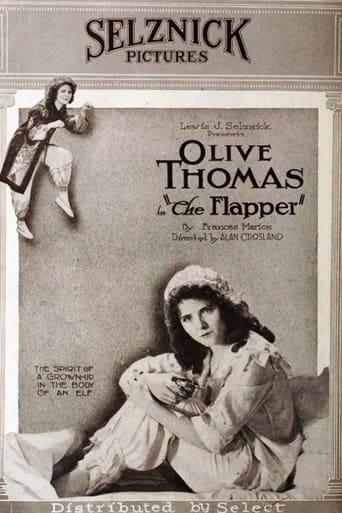
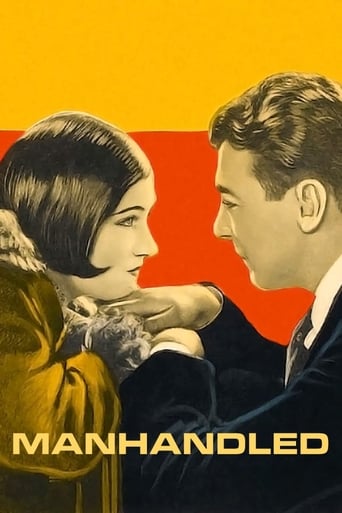
Titles linked here include The Flapper (1920), Manhandled (1924).
When was Arthur Housman born and when did he die?
Born October 10, 1886; died April 8, 1942.
What awards did Arthur Housman win?
Arthur Housman did not receive any major formal awards during his career, as character actors in the silent era rarely received the recognition given to leading performers. His recognition came from audiences and his consistent employment in the film industry.
What was Arthur Housman's acting style?
Housman specialized in physical comedy, particularly portraying perpetually inebriated characters through masterful pantomime, distinctive staggered walks, and exaggerated facial expressions. His style relied on consistent physical mannerisms that audiences immediately recognized and found humorous.
Did Arthur Housman make the transition to sound films?
Yes, Housman did appear in some early sound films, but his career declined in the early 1930s. His specialized typecasting as the comic drunk character limited his opportunities in the new medium, and he made his final film appearances in the early 1930s.
Was Arthur Housman really drunk in his films?
No, despite his convincing performances, Arthur Housman was reportedly a very sober and professional actor off-screen. His ability to portray intoxication was entirely through acting skill and physical comedy technique.