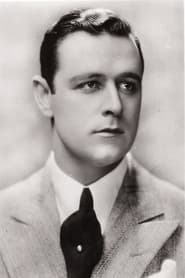
Edmund Burns
Actor
Born: September 27, 1892 in Philadelphia, Pennsylvania, USA Died: March 2, 1980 Active: 1920-1930
Films
3 films
About Edmund Burns
American actor who flourished during the silent film era of the 1920s, appearing in over 70 films between 1920 and 1926. Born in Philadelphia in 1892, Burns began his film career with supporting roles that quickly evolved into more substantial parts as Hollywood's star system expanded. He worked primarily for Universal Pictures and other major studios of the era, often playing romantic leads or supporting characters in melodramas and comedies. His career peaked during the mid-1920s when he appeared opposite several prominent silent film stars of the period. Like many silent era actors, Burns' career declined with the advent of sound films, though he did make a few appearances in early talkies. After leaving acting, he largely disappeared from public life, living until 1980 and becoming one of the last surviving actors from the silent era's golden age.
The Craft
On Screen
Burns embodied the typical leading man style of the silent era, utilizing expressive facial gestures and body language to convey emotion. His performances were characterized by a romantic, earnest quality that suited the melodramatic nature of many silent films. He possessed the classic matinee idol appearance of the period with his dark features and commanding screen presence.
Milestones
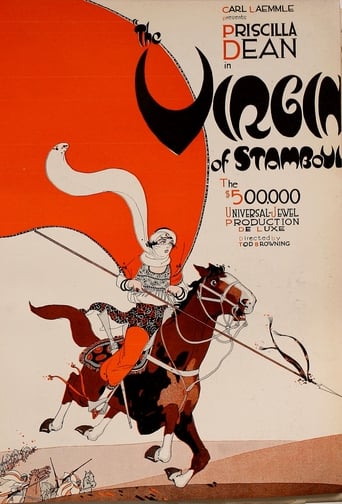
- Film debut in 'The Virgin of Stamboul' (1920)
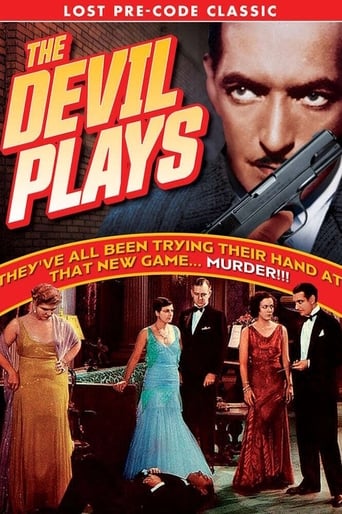
- Supporting role in 'The Devil Plays' (1921)
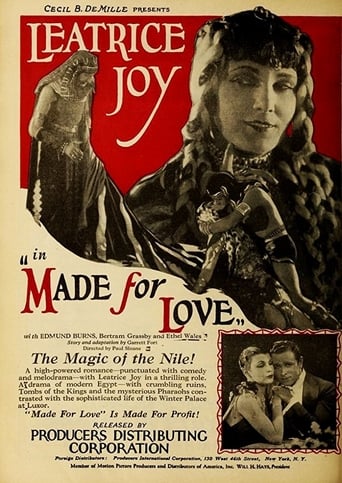
- Lead role in 'Made for Love' (1926)
- Appeared in over 70 films during silent era
- Transitioned briefly to talkies in late 1920s
Best Known For
Iconic Roles
Must-See Films
Working Relationships
Worked Often With
Studios
Why They Matter
Impact on Culture
Edmund Burns represents the typical journey of many silent era actors who achieved moderate success but were ultimately unable to transition successfully to sound films. His career trajectory illustrates the dramatic changes that occurred in Hollywood during the late 1920s and early 1930s when the film industry underwent its technological revolution. While not a major star, Burns contributed to the silent cinema by appearing in numerous productions that helped define the era's aesthetic and storytelling conventions.
Lasting Legacy
Burns' legacy is primarily preserved through his extensive filmography of silent movies, many of which survive today and provide valuable insight into the filmmaking practices of the 1920s. As one of the last surviving actors from the silent era, his longevity made him a living connection to Hollywood's earliest days. His films continue to be studied by film historians and screened at classic film festivals, ensuring that his contributions to cinema history are not forgotten.
Who They Inspired
While Burns did not achieve the level of stardom that would have made him a direct influence on subsequent generations of actors, his work exemplifies the professional standards and acting techniques that characterized silent film performance. His career serves as a case study in the challenges faced by performers during Hollywood's transition from silent to sound films, a period that dramatically reshaped the industry and its star system.
Off Screen
Edmund Burns maintained a relatively private personal life throughout his career in Hollywood. He married fellow silent film actress Marie Prevost in 1924, though their marriage was short-lived and ended in divorce. After his film career ended, Burns largely withdrew from the entertainment industry and lived a quiet life away from the public eye. He spent his later years in California and was one of the few surviving actors from the silent era when he passed away in 1980 at the age of 87.
Family
- Marie Prevost (1924-1925)
Did You Know?
- Appeared in over 70 films during his 10-year career
- Was married to fellow silent film star Marie Prevost
- His career coincided exactly with the final decade of the silent era
- Made his film debut at age 28
- Retired from acting before reaching age 40
- Lived to be 87 years old, outliving most of his contemporaries
- Worked with several prominent directors of the silent era
- Often played romantic leads opposite established female stars
- His film active years covered the entire golden age of silent cinema
- Made a few unsuccessful attempts to transition to talkies
Frequently Asked Questions
Who was Edmund Burns?
American with credits in this catalog. He was known for playing romantic leads and supporting characters in melodramas and comedies of the period.
What films is Edmund Burns best known for?
Titles linked here include The Virgin of Stamboul (1920), The Devil Plays (1921).
When was Edmund Burns born and when did he die?
Born September 27, 1892; died March 2, 1980.
What awards did Edmund Burns win?
Edmund Burns did not receive any major awards or nominations during his career, which was typical for many supporting actors of the silent era who were not considered major stars by the industry standards of the time.
What was Edmund Burns' acting style?
Burns employed the classic silent era acting style characterized by expressive facial gestures and body language to convey emotion. He specialized in romantic, earnest performances that suited the melodramatic nature of 1920s cinema.
Was Edmund Burns married?
Yes, Edmund Burns was briefly married to fellow silent film actress Marie Prevost in 1924-1925. Their marriage was short-lived and ended in divorce, after which Burns remained unmarried.
Why did Edmund Burns' career end?
Burns' career ended primarily due to the transition from silent films to talkies in the late 1920s. Like many silent era actors, he struggled to adapt to the new requirements of sound cinema and gradually retired from acting by the early 1930s.