
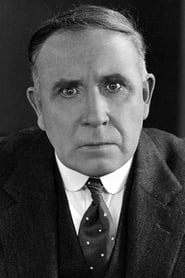
DeWitt Jennings
Actor
Born: July 16, 1871 in Cameron, Missouri, USA Died: March 1, 1937 Active: 1915-1937 Birth Name: DeWitt Clinton Jennings
Films
7 films

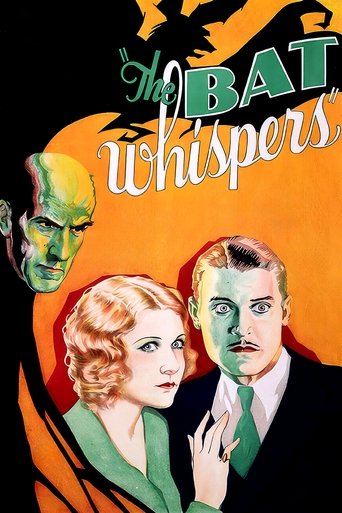
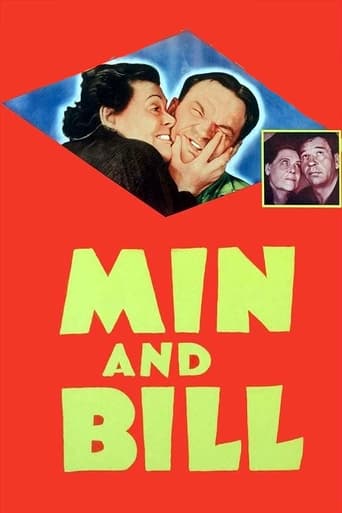
About DeWitt Jennings
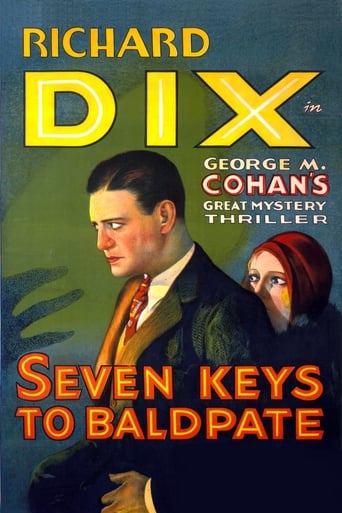
Prolific American character actor: the silent film era and transitioned into early talkies. Born in Missouri in 1871, Jennings began his acting career on the stage before transitioning to films in the mid-1910s. He quickly established himself as a reliable character actor, often cast as authority figures, businessmen, or stern patriarchs due to his distinctive appearance and commanding presence. Throughout his career, he appeared in over 150 films, working with major studios and directors of the era. His filmography includes notable silent films such as 'Flesh and Blood' (1922), 'The Mystic' (1925), and 'Seven Keys to Baldpate' (1929). Jennings successfully made the transition to sound films, continuing his prolific output until his death in 1937. His versatility and reliability made him a familiar face to audiences of the era, though he rarely received top billing.
The Craft
On Screen
Jennings was known for his naturalistic acting style that evolved from theatrical roots to screen performance. He specialized in portraying authority figures with a commanding presence, often playing judges, police chiefs, businessmen, or stern fathers. His performances were characterized by a serious demeanor and distinctive facial features that made him instantly recognizable to audiences. Jennings had the ability to convey authority and gravitas with minimal dialogue, making him particularly effective in silent films where facial expressions and body language were paramount.
Milestones
- Film debut in 1915
- Appeared in over 150 films
- Successful transition from silent films to talkies
- Worked with major Hollywood studios
- Prolific character actor in the 1920s and 1930s
Best Known For
Iconic Roles
Must-See Films
Working Relationships
Worked Often With
Studios
Why They Matter
Impact on Culture
DeWitt Jennings represents the archetype of the reliable character actor who formed the backbone of Hollywood's studio system during the silent and early sound eras. While never a leading man, his consistent presence in hundreds of films helped establish the visual language of American cinema, particularly in the portrayal of authority and institutional power. His successful transition from silent films to talkies demonstrated the adaptability required of actors during this technological revolution. Jennings' career illustrates how character actors provided continuity and familiarity to audiences during a period of rapid change in the film industry.
Lasting Legacy
Though largely forgotten by modern audiences, DeWitt Jennings' legacy endures through his extensive filmography that serves as a valuable record of Hollywood's golden age. His performances in classic films like 'The Public Enemy' and 'I Am a Fugitive from a Chain Gang' contribute to the historical documentation of American cinema's most influential period. Jennings represents the thousands of working actors who, while never achieving stardom, were essential to the creation of classic Hollywood films. His career spans a crucial period in film history, from the height of silent cinema through the transition to sound, making his work a valuable resource for film historians and scholars.
Who They Inspired
As a character actor, Jennings influenced the development of supporting roles in Hollywood films, helping establish the importance of well-crafted secondary characters in narrative cinema. His naturalistic style and ability to quickly establish character traits influenced subsequent generations of character actors. While he didn't mentor specific individuals who became famous, his work ethic and versatility served as an example for the many actors who followed similar career paths in the studio system.
Off Screen
DeWitt Jennings was married and had a family, though detailed information about his personal life remains limited in historical records. He maintained a private life separate from his public persona as a character actor. His career kept him consistently employed in Hollywood during a transformative period in cinema history.
Education
Limited information available about formal education, likely received training for stage acting
Family
- Marie Jennings (married until his death in 1937)
Did You Know?
- Appeared in over 150 films during his 22-year career
- Successfully transitioned from silent films to talkies
- Often played authority figures due to his distinctive appearance
- Born in Missouri but became a Hollywood fixture
- Worked with some of the most famous directors of his era
- Never received top billing but was consistently employed
- His real name was DeWitt Clinton Jennings
- Began his career in theater before moving to films
- Was active in films until the year of his death
- Appeared in both comedy and dramatic films
In Their Own Words
No documented famous quotes from DeWitt Jennings, as was common for character actors of his era who rarely gave interviews or had their words preserved in historical records.
Frequently Asked Questions
Who was DeWitt Jennings?
Prolific American character with credits in this catalog. He appeared in over 150 films between 1915 and 1937, often playing authority figures like judges, police chiefs, and businessmen.
What films is DeWitt Jennings best known for?
Titles linked here include Flesh and Blood (1922), The Mystic (1925).
When was DeWitt Jennings born and when did he die?
Born July 16, 1871; died March 1, 1937.
What awards did DeWitt Jennings win?
DeWitt Jennings did not receive major awards or nominations during his career, which was common for character actors of his era who rarely received recognition despite their significant contributions to films.
What was DeWitt Jennings' acting style?
Jennings was known for his naturalistic style and ability to portray authority figures with gravitas and seriousness. His distinctive appearance and commanding presence made him ideal for roles requiring institutional power and stern demeanor.