
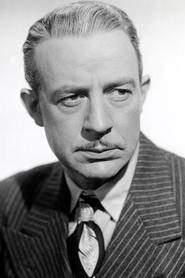
Lester Matthews
Actor
Born: June 6, 1900 in Nottingham, England, United Kingdom Died: June 5, 1975 Active: 1929-1966 Birth Name: Lester William Matthews
Films
1 film
About Lester Matthews
British character actor who enjoyed a prolific career spanning nearly four decades in Hollywood. Born in Nottingham, England in 1900, he began his acting career on the London stage before transitioning to films in the late 1920s. Matthews served in the British Army during World War I before pursuing his passion for acting. He made his way to Hollywood during the early sound era and quickly established himself as a reliable character actor specializing in portraying aristocratic, sophisticated British gentlemen. His tall, dignified presence and polished accent made him ideal for roles as noblemen, military officers, doctors, and other authority figures. Throughout his career, Matthews appeared in over 150 films, working with some of Hollywood's biggest stars and most respected directors. He successfully navigated the transition from supporting roles in major studio productions to character parts in both films and television during the latter part of his career. Matthews continued acting until his retirement in the mid-1960s, leaving behind a substantial body of work that exemplified the golden age of Hollywood character acting.
The Craft
On Screen
Matthews was known for his refined, dignified acting style characterized by impeccable diction, aristocratic bearing, and a calm, authoritative presence. He specialized in portraying upper-class British gentlemen with natural authenticity, bringing depth and credibility to roles that ranged from benevolent authority figures to subtly menacing antagonists. His technique emphasized understatement and restraint, using subtle facial expressions and measured delivery to convey character rather than broad gestures. Matthews possessed the rare ability to elevate even minor roles through his commanding screen presence and professional reliability.
Milestones
- Transitioned successfully from silent films to talkies in the late 1920s
- Established himself as Hollywood's go-to actor for British character roles
- Appeared in over 150 films during his 37-year career
- Successfully transitioned to television in the 1950s and 1960s
- Served as a reliable supporting actor in major studio productions at Warner Bros., Universal, and MGM
Best Known For
Iconic Roles
Must-See Films
Accolades
Special Recognition
- Hollywood Walk of Fame star (located at 6263 Hollywood Boulevard)
Working Relationships
Worked Often With
Studios
Why They Matter
Impact on Culture
Lester Matthews made a significant cultural impact as one of Hollywood's most recognizable British character actors during the Golden Age of cinema. His consistent portrayals of dignified English gentlemen helped cement the archetype of the sophisticated Brit in American popular culture, influencing how British characters were perceived by American audiences for decades. Matthews' work in horror films, particularly his collaborations with Boris Karloff and Bela Lugosi, contributed to the atmospheric quality of Universal's classic horror cycle. His presence in major films like 'The Adventures of Robin Hood' and 'The Man Who Knew Too Much' helped lend authenticity to productions set in Britain, even when filmed entirely in Hollywood. As a transition figure from silent films to talkies, Matthews demonstrated how actors with strong theatrical backgrounds could successfully adapt to the new medium of sound cinema.
Lasting Legacy
Lester Matthews' legacy endures through his extensive filmography that spans some of Hollywood's most celebrated productions. He represents the essential character actor who, while never achieving stardom status, provided crucial support to leading actors and helped create the classic Hollywood cinema. His ability to bring authenticity to British roles in American films set a standard for subsequent generations of British actors working in Hollywood. Matthews' work continues to be appreciated by film enthusiasts and historians who recognize the importance of reliable character actors in creating memorable cinema. His star on the Hollywood Walk of Fame serves as a permanent tribute to his contributions to American film, while his performances in classic horror films have ensured his continued recognition among genre fans.
Who They Inspired
Matthews influenced subsequent generations of British character actors in Hollywood by demonstrating how to maintain a successful career through typecasting while still bringing nuance and depth to seemingly similar roles. His professional approach and reliability on set became a model for character actors who followed. His work in horror films influenced how British characters were portrayed in American horror cinema, helping establish the trope of the educated, sophisticated British gentleman in supernatural contexts. Younger British actors arriving in Hollywood often sought his advice on navigating the studio system while maintaining their cultural identity. Matthews' success in transitioning from film to television in his later years also provided a blueprint for aging character actors to extend their careers in the new medium.
Off Screen
Lester Matthews led a relatively private personal life marked by his dedication to his craft and his British heritage. After serving in the British Army during World War I, he focused on establishing his acting career first in London and then in Hollywood. He married American actress Anne Shirley in 1937, but their marriage ended in divorce in 1943. Despite his long career in Hollywood, Matthews maintained his British citizenship and never became an American citizen, which often reinforced his typecasting as quintessentially British characters. He was known among colleagues as a consummate professional who was always prepared and reliable on set. In his later years, Matthews lived quietly in Los Angeles, occasionally appearing in television roles until his retirement. He passed away just one day before his 75th birthday in 1975.
Education
Educated in Nottingham, England; studied acting at the Royal Academy of Dramatic Art (RADA) in London
Family
- Anne Shirley (1937-1943)
Did You Know?
- Served as a private in the British Army during World War I before pursuing acting
- Was originally considered for the role of Dr. Frankenstein in 'Frankenstein' (1931) before it went to Colin Clive
- Appeared in films spanning five different decades, from the 1920s to the 1960s
- Was a skilled polo player and often participated in celebrity matches
- Despite his long Hollywood career, he never became an American citizen
- Was a founding member of the Hollywood Cricket Club, along with other British expatriate actors
- His death occurred just one day before his 75th birthday
- Often doubled as a dialogue coach for other actors playing British roles
- Was a regular guest at the famous Hollywood home of actor Boris Karloff
- Made his film debut in a British silent film in 1929 before moving to Hollywood
In Their Own Words
In Hollywood, they don't want you to be British, they want you to be what they think British is. It's an actor's job to give them what they want.
Character acting is the backbone of good cinema. Without us, the stars have nothing to play against.
I've played more lords, dukes, and barons than the Royal Family has actual members, but I wouldn't trade it for anything.
The secret to longevity in this business is simple: be professional, be prepared, and never be late.
Frequently Asked Questions
Who was Lester Matthews?
British character with credits in this catalog.
What films is Lester Matthews best known for?
Titles linked here include The Adventures of Robin Hood (1938), The Wolf Man (1941).
When was Lester Matthews born and when did he die?
Born June 6, 1900; died June 5, 1975.
What awards did Lester Matthews win?
While Lester Matthews did not receive major acting awards during his lifetime, he was honored with a star on the Hollywood Walk of Fame at 6263 Hollywood Boulevard in recognition of his contributions to the film industry.
What was Lester Matthews' acting style?
Matthews was known for his refined, dignified acting style characterized by impeccable diction, aristocratic bearing, and understated performances. He specialized in bringing authenticity to upper-class British characters through his natural accent and sophisticated presence.
Did Lester Matthews serve in the military?
Yes, Matthews served as a private in the British Army during World War I before beginning his acting career, an experience that likely contributed to his authentic portrayal of military officers in his later film roles.
Was Lester Matthews married?
Matthews was married to American actress Anne Shirley from 1937 to 1943. Their marriage ended in divorce, and he did not remarry.