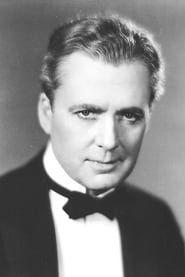
Robert Elliott
Actor
Born: June 9, 1879 in Columbus, Ohio, USA Died: October 15, 1942 Active: 1915-1942
Films
8 films

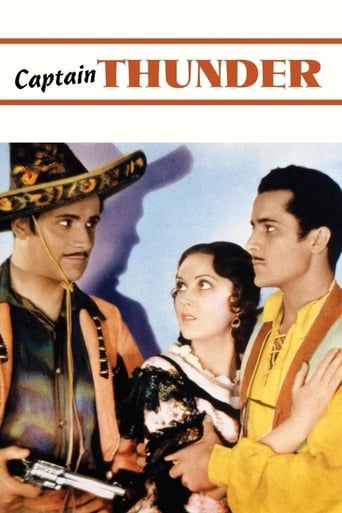
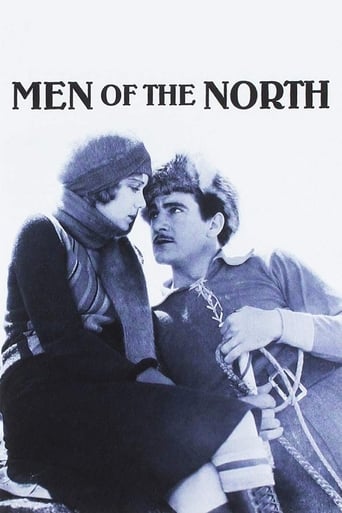
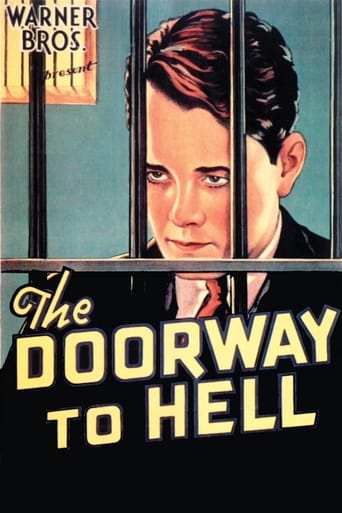
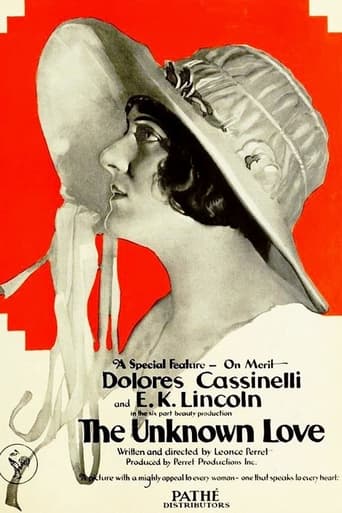
About Robert Elliott
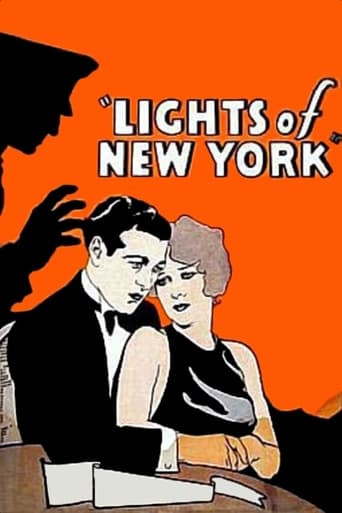
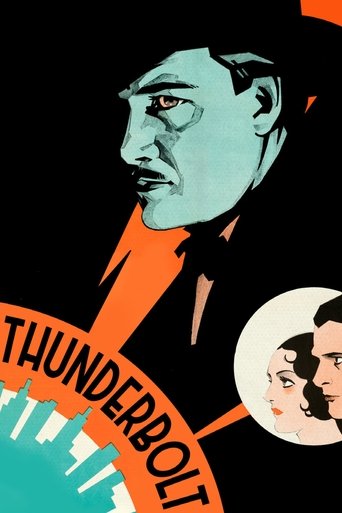
Prolific American character actor: the transformative period from silent films through the early sound era of Hollywood. Born in 1879, Elliott began his acting career on the legitimate stage before transitioning to motion pictures in the mid-1910s. He became recognizable supporting actors of his era, specializing in authoritative roles such as police chiefs, judges, military officers, and government officials. His career flourished during the critical transition to sound films, where his clear diction and commanding presence proved invaluable. Elliott appeared in over 200 films throughout his career, including significant works like 'Lights of New York' (1928), the first all-talking feature film, and Josef von Sternberg's 'Thunderbolt' (1929). He continued working steadily through the 1930s, becoming a familiar face to moviegoers in both dramatic and comedic roles. His final years saw him maintaining his busy schedule until his death in 1942, leaving behind an impressive legacy as one of Hollywood's most reliable character actors during the golden age of studio cinema.
The Craft
On Screen
Robert Elliott's acting style was rooted in the theatrical tradition of the early 20th century, characterized by clear diction, authoritative presence, and a commanding screen presence. His stage background served him well during the transition to sound films, where his articulate delivery and strong voice made him particularly valuable. Elliott specialized in portraying figures of authority with gravitas and credibility, often bringing a sense of institutional weight to his roles as police chiefs, judges, and military officers. His performances were marked by a straightforward, no-nonsense approach that emphasized reliability and competence over flamboyance. While not a method actor by modern standards, Elliott brought consistency and professionalism to every role, making him a favorite among directors seeking dependable character actors.
Milestones
- Appeared in the first all-talking feature film 'Lights of New York' (1928)
- Starred in Josef von Sternberg's early sound masterpiece 'Thunderbolt' (1929)
- Appeared in over 200 films during his 27-year career
- Became typecast as authority figures during the early sound era
- Successfully transitioned from silent films to talkies
- Worked with major studios including Warner Bros., Paramount, and MGM
Best Known For
Iconic Roles
Must-See Films
Working Relationships
Worked Often With
Studios
Why They Matter
Impact on Culture
Robert Elliott's cultural impact lies in his role as a bridge between the silent and sound eras of Hollywood cinema, representing the professional character actors who made the transition successful. His appearances in landmark films like 'Lights of New York' and 'Thunderbolt' helped establish the conventions of sound cinema, particularly in how authority figures were portrayed on screen. Elliott's consistent presence in hundreds of films during the 1920s and 1930s made him a familiar face to American moviegoers, contributing to the development of the studio system's reliability and predictability. His work in gangster films and social dramas of the early 1930s helped define the visual language of authority in American cinema during a period of social upheaval. As one of the actors who successfully navigated the technological transition, Elliott represented the professionalism and adaptability that characterized Hollywood's golden age.
Lasting Legacy
Robert Elliott's legacy is that of a quintessential Hollywood character actor whose reliability and versatility helped build the foundation of the studio system. While never a star, his consistent performances in over 200 films created a body of work that documents the evolution of American cinema during its most transformative decades. Elliott's specialization in authority roles established archetypes that would influence how such characters were portrayed for generations. His successful transition from silent films to talkies demonstrated the importance of theatrical training and clear diction in early sound cinema. Today, film historians and classic movie enthusiasts recognize Elliott as an essential supporting player who brought credibility and depth to countless productions, making him an integral part of Hollywood's golden age tapestry.
Who They Inspired
Robert Elliott influenced subsequent generations of character actors through his demonstration of how to build a sustainable career in supporting roles. His professional reliability and consistent performance quality set standards for character actors in the studio system. Elliott's success in authority roles helped establish templates for how police chiefs, judges, and other officials should be portrayed in American cinema, influencing countless actors who followed. His ability to work across genres while maintaining his distinctive persona showed future character actors the value of typecasting when done skillfully. The transition from silent films to sound that Elliott navigated successfully provided a model for other actors facing similar technological changes in the industry.
Off Screen
Robert Elliott was married to actress Ethel Hall, with whom he had one child. The couple maintained their marriage throughout Elliott's busy film career, which was notable given the demands of the studio system during that era. Elliott was known as a reliable professional who rarely missed work due to personal issues, earning him respect among his peers and studio executives. He lived in Los Angeles during his film career and was part of the Hollywood community, though he maintained a relatively low public profile compared to leading stars. His death in 1942 at the age of 63 marked the end of a career that had documented the evolution of American cinema from silent films to the golden age of Hollywood.
Family
- Ethel Hall
Did You Know?
- Appeared in the first all-talking feature film in history with 'Lights of New York' (1928)
- Worked with director Josef von Sternberg in 'Thunderbolt' (1929)
- Appeared in over 200 films in just 27 years, averaging more than 7 films per year
- Was frequently typecast as police chiefs, judges, and military officers
- His clear diction and stage training made him particularly valuable during the early sound era
- Worked with major stars including James Cagney, Edward G. Robinson, and Humphrey Bogart
- Was married to actress Ethel Hall, maintaining their relationship throughout his demanding film career
- Appeared in several of the most significant gangster films of the early 1930s
- His active years covered the entire transition from silent films to the establishment of the Hollywood studio system
- Died in 1942, the same year that marked the peak of Hollywood's golden age
In Their Own Words
As a character actor, I don't need to be the star - I just need to make the star look better
The theater taught me everything I needed to know about talking pictures
In every film, there's a place for someone who can play authority convincingly
The transition to sound wasn't difficult for those of us who came from the stage
Frequently Asked Questions
Who was Robert Elliott?
Prolific American character with credits in this catalog. He appeared in over 200 films during the transition from silent to sound cinema, making him.
What films is Robert Elliott best known for?
Titles linked here include Lights of New York (1928), Thunderbolt (1929).
When was Robert Elliott born and when did he die?
Born June 9, 1879; died October 15, 1942.
What awards did Robert Elliott win?
Robert Elliott did not receive major awards or nominations during his career, which was common for character actors of his era. However, his consistent work and successful transition from silent to sound films earned him respect and steady employment in Hollywood's studio system.
What was Robert Elliott's acting style?
Robert Elliott's acting style was characterized by his theatrical training, clear diction, and authoritative presence. He brought gravitas and credibility to his roles as authority figures, with a straightforward and professional approach that emphasized reliability over flamboyance, making him particularly valuable during the early sound era.