Barbara Bedford
Actor
Born: July 19, 1903 in East Prairie, Missouri, USA Died: October 25, 1981 Active: 1920-1932 Birth Name: Violet May Roediger
Films
4 films

About Barbara Bedford
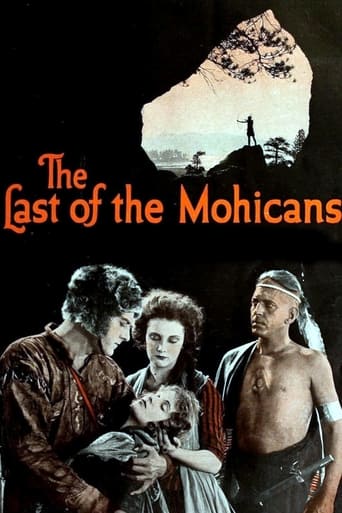
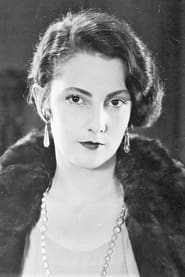
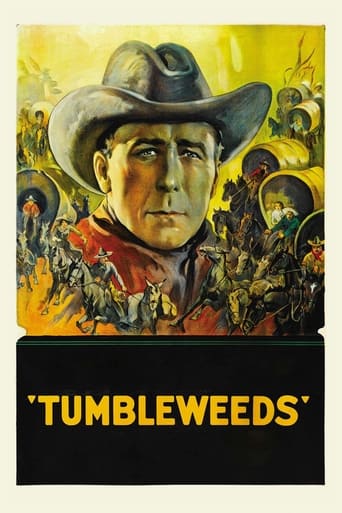
Prominent silent film actress who rose to stardom in the early 1920s, establishing herself as one of the era's most reliable leading ladies. Born as Violet May Roediger, she began her film career after being discovered by director James Kirkwood while working as a model. Her breakthrough role came as Cora Munro in the 1920 adaptation of James Fenimore Cooper's 'The Last of the Mohicans,' which starred Wallace Beery and became one of the year's biggest box office successes. Throughout the early 1920s, Bedford appeared in numerous Westerns and dramatic films, often playing strong, independent female characters who could hold their own alongside male leads. She worked with some of the biggest stars of the silent era, including William S. Hart in 'Tumbleweeds' (1925), which proved to be one of her most memorable performances. As the film industry transitioned to sound in the late 1920s, Bedford's career began to wane, and she made her final film appearances in the early 1930s before retiring from acting entirely. Despite her relatively short career span, she on silent cinema with her natural acting style and screen presence.
The Craft
On Screen
Barbara Bedford was known for her naturalistic acting style that stood out in an era often characterized by exaggerated melodrama. She brought a subtle emotional depth to her performances, using nuanced facial expressions and body language to convey complex emotions. Her screen presence was described as both dignified and approachable, allowing her to play a wide range of characters from refined society women to rugged frontier women. Bedford had particular skill in portraying strong, independent female characters who could match their male counterparts in determination and resilience.
Milestones
- Starred in the critically acclaimed 'The Last of the Mohicans' (1920)
- Appeared in William S. Hart's final film 'Tumbleweeds' (1925)
- Worked with major silent film studios including Universal and Paramount
- Successfully transitioned from supporting roles to leading lady status
- Became
Best Known For
Iconic Roles
Must-See Films
Accolades
Special Recognition
- Star on the Hollywood Walk of Fame (for contributions to motion pictures)
Working Relationships
Worked Often With
Studios
Why They Matter
Impact on Culture
Barbara Bedford played a significant role in shaping the archetype of the strong female character in silent Western films at a time when women in cinema were often relegated to passive roles. Her portrayal of Cora Munro in 'The Last of the Mohicans' helped establish a template for the frontier heroine who could be both feminine and resilient. Bedford's success in Westerns contributed to the genre's popularity during the silent era and demonstrated that female-led Westerns could be commercially viable. Her natural acting style influenced other actresses of the period who sought to move away from the theatrical gestures common in early cinema.
Lasting Legacy
Barbara Bedford's legacy endures through her preserved films, which continue to be shown at silent film festivals and classic cinema retrospectives. Her work in 'The Last of the Mohicans' remains. Film historians often cite her as an example of the talented actresses who struggled to make the transition to sound films, despite possessing genuine acting ability. Her star on the Hollywood Walk of Fame ensures that her contributions to early cinema are permanently recognized. Bedford is remembered as a versatile actress who brought authenticity and depth to her roles, particularly in the Western genre.
Who They Inspired
Bedford influenced subsequent generations of actresses in Western films by demonstrating that female characters could be central to frontier narratives rather than mere romantic interests. Her naturalistic approach to acting helped pave the way for more subtle performance styles in cinema as the medium evolved. Contemporary actresses who portray strong period characters owe a debt to pioneers like Bedford who first established these archetypes on screen. Her work continues to be studied by film scholars examining the evolution of female representation in American cinema.
Off Screen
Barbara Bedford married actor and screenwriter Irving Cummings in 1918, though the marriage ended in divorce in 1922. She later married actor and director Alan James in 1925, with whom she had one child. After retiring from films, Bedford largely withdrew from public life and focused on her family. She spent her later years in California, occasionally attending film retrospectives and silent film festivals where her work was celebrated. Her marriages to prominent industry figures helped establish her connections in Hollywood during her active years.
Education
Limited information available, but she attended local schools in Missouri before moving to California to pursue modeling and acting
Family
- Irving Cummings (1918-1922)
- Alan James (1925-1943, his death)
Did You Know?
- She was discovered while working as a magazine model in Los Angeles
- Her birth name was Violet May Roediger but she chose Barbara Bedford as her stage name
- She appeared in over 50 films during her career, though many are now lost
- Her role in 'Tumbleweeds' was one of her last major silent film performances
- She successfully made the transition to sound films but appeared in only a few talkies before retiring
- Bedford was known for performing many of her own stunts in Western films
- She was one of the few actresses of her era to successfully command equal billing with male Western stars
- Her marriage to Irving Cummings connected her to one of Hollywood's most prominent directing families
- After retiring from acting, she occasionally worked as a script consultant for Western films
- She was a founding member of the Hollywood Women's Press Club in the 1920s
In Their Own Words
In silent pictures, you had to tell the whole story with your eyes and your heart. Words were just decorations.
Working with Bill Hart in 'Tumbleweeds' was like taking a master class in film acting. He taught me that less is always more on camera.
The transition to sound was difficult for many of us, not because we couldn't speak, but because we had spent years learning to say everything without words.
Frequently Asked Questions
Who was Barbara Bedford?
Prominent American silent film actress best known for her roles in Westerns and dramatic films during the early 1920s. She achieved stardom with her performance as Cora Munro in 'The Last of the Mohicans' (1920) and worked with many of the era's biggest stars before retiring from acting in the early 1930s.
What films is Barbara Bedford best known for?
Titles linked here include The Last of the Mohicans (1920), Tumbleweeds (1925).
When was Barbara Bedford born and when did she die?
Born July 19, 1903; died October 25, 1981.
What awards did Barbara Bedford win?
While Barbara Bedford did not receive major film awards during her career (as the Academy Awards were not established until 1929), she was honored with a star on the Hollywood Walk of Fame for her contributions to motion pictures. Her critical acclaim came from film reviewers and audiences of the silent era.
What was Barbara Bedford's acting style?
Bedford was known for her naturalistic and subtle acting style, which contrasted with the exaggerated melodrama common in silent films. She excelled at conveying complex emotions through nuanced expressions and body language, particularly in portraying strong, independent female characters in Western settings.
Why did Barbara Bedford's career end?
Bedford's career declined with the advent of sound films in the late 1920s. While she did appear in a few talkies, she struggled to maintain her leading lady status and made her final film appearances in the early 1930s before choosing to retire from acting to focus on her personal life.
Was Barbara Bedford married?
Yes, Barbara Bedford was married twice. First to actor-director Irving Cummings from 1918 to 1922, and later to actor-director Alan James from 1925 until his death in 1943. She had one daughter, Anne James, with her second husband.