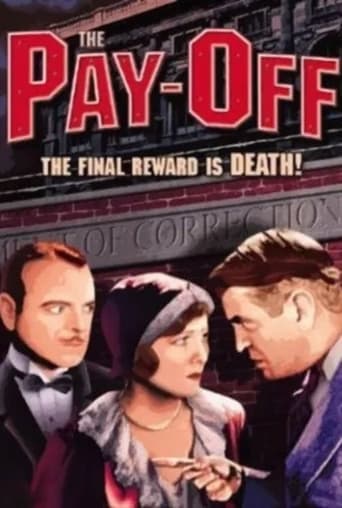

Helene Millard
Actor
Born: September 1, 1905 in Seattle, Washington, USA Died: November 21, 1970 Active: 1929-1932
Films
3 films
About Helene Millard
American actress who emerged during Hollywood's pivotal transition from silent films to talkies in the late 1920s. Born in Seattle, Washington, she began her film career at Metro-Goldwyn-Mayer (MGM) during the studio's golden era, quickly establishing herself as a reliable supporting actress. Millard specialized in portraying sophisticated socialites, romantic rivals, and elegant women of society, often playing the 'other woman' in dramatic narratives. Her filmography, though brief, included appearances in several notable productions alongside some of Hollywood's biggest stars of the era. She worked consistently from 1929 to 1932, appearing in approximately 15 films during this period. Millard's career coincided with the complete transformation of the film industry, and she successfully made the transition from silent to sound pictures. After marrying director James Tinling in 1934, she retired from acting to focus on her personal life, marking the end of a career that, while short, represented the typical trajectory of many contract players during Hollywood's golden age.
The Craft
On Screen
Millard was known for her poised and sophisticated screen presence, typically portraying elegant women of high society with a natural grace that suited the new sound medium. Her acting style was understated yet effective, embodying the refined mannerisms and speech patterns expected of upper-class characters in early talkies. She possessed a clear, well-modulated speaking voice that was particularly valuable during the transition to sound films, when many silent actors struggled with dialogue delivery. Millard specialized in creating memorable supporting characters through subtle expressions and dignified comportment, often serving as a foil to lead actresses or representing the romantic complications in dramatic narratives.
Milestones
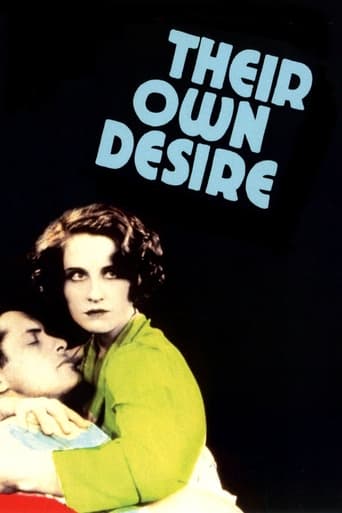
- Film debut in 'Their Own Desire' (1929) alongside Greta Garbo
- Supporting role in Oscar-winning 'The Big House' (1930)
- Appeared in 'The Champ' (1931) starring Wallace Beery
- Worked with MGM during its golden age of production
- Successfully transitioned from silent to sound films
Best Known For
Iconic Roles
Must-See Films
Working Relationships
Worked Often With
Studios
Why They Matter
Impact on Culture
Helene Millard represents the archetype of the contract player during Hollywood's golden age, specifically those who successfully navigated the challenging transition from silent films to talkies. Her career, though brief, exemplifies the studio system's approach to developing and utilizing supporting actresses who could reliably populate the social landscapes of dramatic films. Millard's work in early sound films contributed to the establishment of dialogue delivery standards and the development of sophisticated character archetypes that would become staples of Hollywood cinema. Her appearances in multiple MGM productions during 1929-1932 placed her at the heart of one of cinema's most transformative periods, making her part of the foundation upon which the sound era was built.
Lasting Legacy
Helene Millard's legacy lies in her contribution to early sound cinema as part of MGM's roster of supporting actresses during a critical period of film history. While she never achieved stardom, her consistent performances helped establish the template for sophisticated supporting characters in early talkies. Her work appears in several films that are now considered classics of the early sound era, ensuring her place in film history through preservation of these movies. Millard represents the countless capable actresses who formed the backbone of Hollywood's golden age, providing essential support to leading players and contributing to the overall quality and sophistication of studio productions. Her career shows the importance of character actors in creating the classic Hollywood cinema.
Who They Inspired
As a supporting actress rather than a star, Helene Millard's direct influence on other performers was limited. However, her professional approach to character work during the transition to sound films set an example for other contract players navigating this challenging period. Her ability to portray sophisticated society women with authenticity helped establish character archetypes that would be emulated by subsequent generations of actresses in similar roles. Millard's successful adaptation to sound technology demonstrated the importance of vocal training and naturalistic delivery, influencing how studios prepared their actors for the new medium. Her work in ensemble casts contributed to the development of the balanced approach to character hierarchy that would become standard in Hollywood productions.
Off Screen
Helene Millard married James Tinling, a director and producer, in 1934, which led to her retirement from acting. The couple remained married until Tinling's death in 1967. Millard chose to step away from her film career to focus on her marriage and personal life, a common choice for actresses of her era. After leaving Hollywood, she maintained a private life away from the public eye. She spent her later years in Los Angeles, where she passed away in 1970 at the age of 65. Unlike many of her contemporaries, Millard did not attempt a comeback to acting or seek publicity in her later years.
Family
- James Tinling (1934-1967)
Did You Know?
- Was discovered by MGM talent scouts during the studio's expansion for sound films
- Had a clear, well-modulated voice that made her ideal for talkies
- Often played characters older than her actual age due to her sophisticated demeanor
- Appeared in three films nominated for Academy Awards for Best Picture
- Worked with Greta Garbo in 'Their Own Desire', one of Garbo's early sound films
- Retired from acting at age 29 after marriage, a common pattern for actresses of her era
- Her active years covered exactly three years, making her a perfect example of the brief but intense careers of many contract players
- Never received screen credit above fifth billing in any of her films
- Was part of MGM's stock company of reliable supporting players during 1929-1932
- Her final film appearance was in 'The Champ' (1931), which won Wallace Beery an Academy Award
Frequently Asked Questions
Who was Helene Millard?
American actress who worked primarily for MGM during the transition from silent films to talkies in 1929-1932. She specialized in playing sophisticated socialites and supporting roles in dramatic films, often appearing as the 'other woman' in romantic narratives.
What films is Helene Millard best known for?
Titles linked here include Their Own Desire (1929), The Big House (1930).
When was Helene Millard born and when did she die?
Born September 1, 1905; died November 21, 1970.
What awards did Helene Millard win?
Helene Millard did not receive any major awards or nominations during her career. As a supporting actress during the early sound era, she was part of the studio system but never achieved the recognition that came with leading roles.
What was Helene Millard's acting style?
Millard was known for her poised and sophisticated screen presence, specializing in portraying elegant women of high society. She had a clear, well-modulated speaking voice that was valuable during the transition to sound films, and she created memorable supporting characters through subtle expressions and dignified comportment.
Why did Helene Millard retire from acting?
Millard retired from acting in 1934 after marrying director James Tinling. This was a common pattern for actresses of her era, who often left the film industry upon marriage to focus on their personal lives.
What studio did Helene Millard work for?
Helene Millard was primarily a contract player for Metro-Goldwyn-Mayer (MGM) during her entire film career from 1929 to 1932, appearing in numerous productions for the studio during its golden age.