
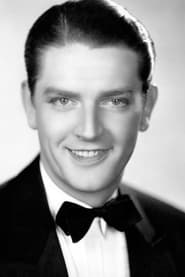
Hugh Trevor
Actor
Born: October 28, 1903 in New York City, New York, USA Died: March 10, 1933 Active: 1929-1933 Birth Name: Hugh D. Trevor
Films
5 films

About Hugh Trevor
American actor who emerged during the critical transition period from silent films to talkies in the early 1930s. With his stage background and clear diction, he successfully navigated the challenges of sound cinema when many silent stars struggled to adapt. His career, though brief, was marked by appearances in several notable early talkies, often playing supporting roles that showcased his polished delivery and screen presence. Trevor worked with some of the era's emerging talents and established stars, contributing to films that captured the experimental energy of early sound cinema. His performances demonstrated the new technical requirements of sound acting, where vocal clarity and naturalistic delivery became paramount. Despite his promising start and growing recognition in Hollywood, his career was tragically cut short by his untimely death at age 29, leaving audiences to wonder what greater contributions he might have made to cinema. His filmography serves as a valuable record of the techniques and styles that defined early American sound films.
The Craft
On Screen
Hugh Trevor brought a stage-trained precision to his film performances, characterized by clear diction and deliberate delivery that was well-suited to the technical limitations of early sound recording. His acting style reflected the theatrical traditions of his era, with slightly formal enunciation and measured pacing that helped audiences adjust to the novelty of synchronized sound in cinema. Trevor possessed a natural charisma that translated well to the screen, allowing him to portray both comedic and dramatic characters with equal effectiveness. His performances demonstrated the careful balance between theatrical projection and cinematic intimacy that early sound actors had to master.
Milestones
- Successful transition from stage to early sound cinema
- Notable supporting roles in major early talkies
- Work during the pivotal transition period from silent to sound films
- Collaboration with prominent directors of the early 1930s
Best Known For
Iconic Roles
Must-See Films
Working Relationships
Worked Often With
Studios
Why They Matter
Impact on Culture
Hugh Trevor represents the generation of actors who successfully navigated the challenging transition from silent films to talkies in the early 1930s. His work exemplifies the adaptation of theatrical techniques to the new medium of sound cinema, contributing to the development of acting styles that would dominate Hollywood for decades. Though his career was brief, Trevor's performances in early talkies serve as valuable artifacts documenting the evolution of film acting during this transformative period. His ability to deliver dialogue clearly and effectively helped establish standards for sound performance that would influence subsequent generations of actors. The films he appeared in capture the experimental energy and technical innovation that characterized Hollywood's transition to sound, making his contributions historically significant despite their limited quantity.
Lasting Legacy
Hugh Trevor's legacy is primarily that of a promising talent whose potential was never fully realized due to his untimely death. He remains a footnote in cinema history, representing the many actors who contributed to the development of early sound cinema but whose careers were cut short before they could achieve lasting fame. His filmography serves as an important resource for film historians studying the transition period from silent to sound films, providing insight into the acting techniques and stylistic choices that defined this era. While he never achieved the iconic status of some of his contemporaries, Trevor's work in early talkies contributes to our understanding of how Hollywood adapted to the technological revolution of sound.
Who They Inspired
Due to his brief career and early death, Hugh Trevor's direct influence on subsequent actors and filmmakers appears to have been limited. However, his successful adaptation to sound cinema during a period when many established stars struggled with the transition demonstrated the importance of clear diction and stage training in early sound acting. His performances, alongside those of other early sound actors, helped establish conventions for dialogue delivery and screen performance that would influence Hollywood acting styles throughout the 1930s and beyond. The techniques he employed in early talkies reflected the broader industry movement toward more naturalistic acting styles that would become standard in sound cinema.
Off Screen
Hugh Trevor's personal life remains largely undocumented due to his brief career and early death. What is known suggests he was a dedicated actor who had successfully transitioned from stage work to the burgeoning sound film industry. His sudden death at the age of 29 cut short both his professional trajectory and personal life, leaving limited biographical records for historians to study. The circumstances of his death have not been extensively documented in film histories, contributing to the mystery surrounding this early sound era actor.
Education
Stage training background, likely from New York theatrical schools or companies
Did You Know?
- His active years covered only four years, coinciding with the critical transition period from silent to sound films
- He was one of many stage actors who successfully transitioned to sound cinema when many silent film stars struggled
- His death at age 29 occurred during what should have been the prime of his acting career
- The films he appeared in are now considered valuable artifacts of early sound cinema history
- His clear diction and stage training made him well-suited for the technical limitations of early sound recording
- He worked during a period when Hollywood was rapidly developing new acting techniques for sound films
- His filmography represents the types of character roles that were common in early talkies
- Like many actors of his era, he likely came from a theatrical background before entering films
In Their Own Words
No documented famous quotes are available from Hugh Trevor due to his brief career and the limited preservation of interviews from early sound actors
Frequently Asked Questions
Who was Hugh Trevor?
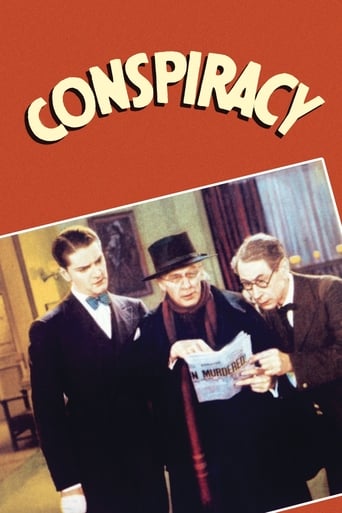
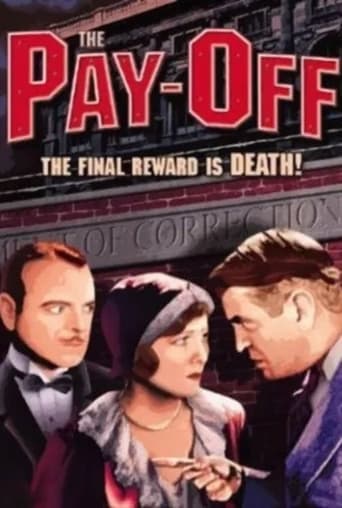
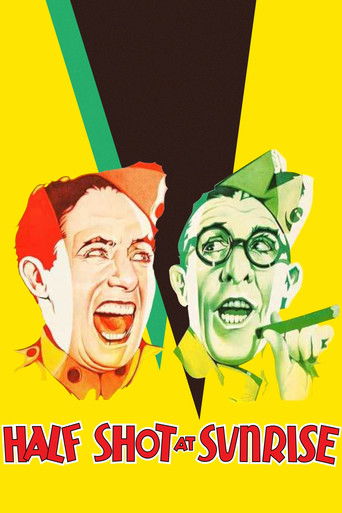
American with credits in this catalog. He appeared in several notable early talkies including Conspiracy (1930), The Pay-Off (1930), Half Shot at Sunrise (1930), and The Royal Bed (1931). His career was tragically cut short by his death at age 29 in 1933.
What films is Hugh Trevor best known for?
Titles linked here include Conspiracy (1930), The Pay-Off (1930).
When was Hugh Trevor born and when did he die?
Born October 28, 1903; died March 10, 1933.
What awards did Hugh Trevor win?
There are no documented awards or nominations for Hugh Trevor, likely due to his brief career spanning only 1929-1933 and the fact that he primarily played supporting roles. The Academy Awards were also relatively new during his active years, and character actors often received less recognition during this period.
What was Hugh Trevor's acting style?
Hugh Trevor's acting style was characterized by stage-trained precision, clear diction, and deliberate delivery that was well-suited to early sound cinema's technical limitations. His theatrical background helped him successfully transition to talkies when many silent stars struggled, and he brought a measured yet natural approach to his performances that exemplified the evolving acting techniques of early sound films.