
Lowell Sherman
Actor & Director
Born: October 11, 1885 in San Francisco, California, USA Died: December 28, 1934 Active: 1915-1934 Birth Name: Lowell J. Sherman
Films
9 films


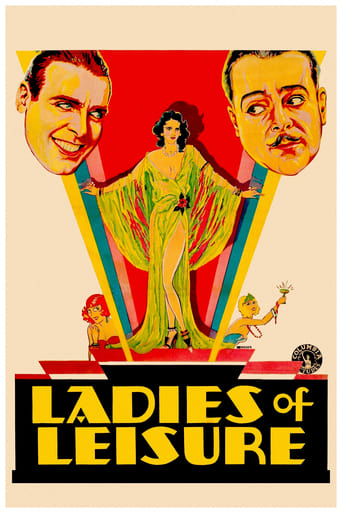
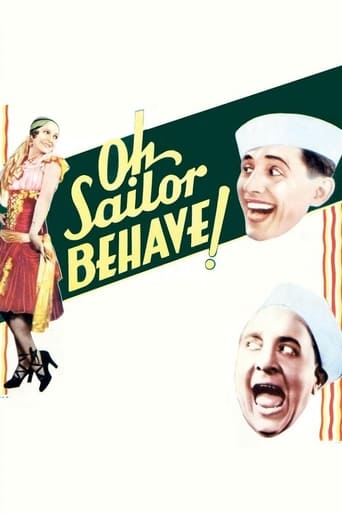
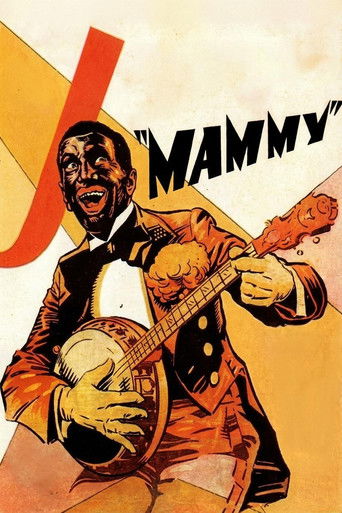
About Lowell Sherman
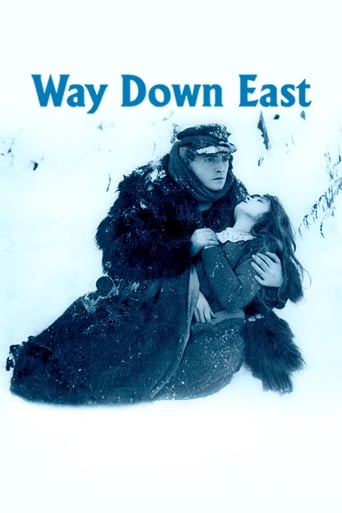
Made significant contributions to both silent and early sound cinema. Born into a theatrical family, he began his career on Broadway before transitioning to films in the 1910s. As an actor, Sherman specialized in portraying sophisticated villains, cads, and aristocratic characters, often in period pieces and romantic dramas. His breakthrough came with his role in D.W. Griffith's epic 'Way Down East' (1920), which established him as a prominent character actor. In the late 1920s, Sherman successfully transitioned to directing, bringing his actor's sensibility to behind-the-camera work. His directorial career peaked in the early 1930s with notable successes including 'She Done Him Wrong' (1933), which launched Mae West to stardom, and 'Morning Glory' (1933), which earned Katharine Hepburn her first Academy Award. Tragically, Sherman's promising career was cut short when he died of pneumonia in December 1934 while directing the first full-color feature film 'Becky Sharp'.
The Craft
On Screen
Sherman was known for his refined, sophisticated acting style, specializing in portraying aristocratic villains, charming cads, and complex antagonists. His performances were characterized by a smooth, deliberate delivery and a commanding screen presence that made him particularly effective in period pieces and romantic dramas. He brought a theatrical gravitas to his film roles, drawing from his extensive Broadway experience.
Behind the Camera
As a director, Sherman was noted for his ability to guide actors to strong performances, leveraging his own acting experience to elicit nuanced portrayals. His directing style emphasized character development and dramatic tension, with a particular skill for handling sophisticated comedies and melodramas. He had a keen eye for visual composition and was adept at transitioning between theatrical and cinematic techniques.
Milestones
- Breakthrough role in D.W. Griffith's 'Way Down East' (1920)
- Successful transition from acting to directing in late 1920s
- Directed Mae West's breakout film 'She Done Him Wrong' (1933)
- Directed Katharine Hepburn's Oscar-winning performance in 'Morning Glory' (1933)
- work on the first full-color feature film 'Becky Sharp' (1935)
Best Known For
Iconic Roles
Must-See Films
Accolades
Special Recognition
- Hollywood Walk of Fame star (located at 6263 Hollywood Boulevard)
Working Relationships
Worked Often With
Studios
Why They Matter
Impact on Culture
Lowell Sherman played a significant role in the transition from silent to sound cinema, both as a performer and director. His work with Mae West in 'She Done Him Wrong' helped establish one of cinema's most iconic personalities and contributed to the development of the screwball comedy genre. His direction of Katharine Hepburn in 'Morning Glory' helped launch the career of one of Hollywood's most legendary actresses. Sherman's final project, 'Becky Sharp,' though completed by others after his death, was groundbreaking as the first full-length feature film in three-strip Technicolor, marking a significant technological milestone in cinema history.
Lasting Legacy
Lowell Sherman's legacy lies in his dual contributions to early Hollywood as both a character actor and a director who could successfully navigate the transition from silent to sound films. His ability to guide actors to award-winning performances, particularly with newcomers like Mae West and established stars like Katharine Hepburn, demonstrated his exceptional directorial instincts. Though his career was cut short, Sherman's films continue to be studied for their sophisticated approach to character development and their role in shaping early sound cinema aesthetics.
Who They Inspired
Sherman influenced a generation of directors through his actor-centric approach to filmmaking, emphasizing performance and character over technical spectacle. His work with strong female protagonists helped pave the way for more complex female characters in American cinema. His successful transition from acting to directing served as a model for other performers looking to move behind the camera, demonstrating that an understanding of performance could translate into effective direction.
Off Screen
Sherman was married twice during his lifetime. His first marriage was to actress Evelyn Selbie, which ended in divorce. He later married actress Pauline Garon in 1926, though this marriage also ended in divorce. Sherman was known for his sophisticated lifestyle and was a prominent figure in Hollywood social circles during the 1920s and early 1930s. His untimely death at age 49 was widely mourned in the film industry.
Education
Educated in San Francisco and New York, with early training in dramatic arts from his theatrical family background
Family
- Evelyn Selbie (1915-1923)
- Pauline Garon (1926-1930)
Did You Know?
- Died of pneumonia while directing 'Becky Sharp' (1935), which was completed by Rouben Mamoulian and became the first full-length Technicolor feature film
- Came from a theatrical family; his father was actor Harry Sherman and his mother was actress Julia Sherman
- Began his career on Broadway at age 16
- Was originally considered for the role of the Phantom in the 1925 film 'The Phantom of the Opera'
- His film 'She Done Him Wrong' (1933) was nominated for Best Picture at the Academy Awards
- Was a close friend of fellow actor-turned-director John Ford
- Often played characters who were significantly older than his actual age
- Was one of the few silent film actors who successfully transitioned to directing in the sound era
- His death at age 49 cut short a promising directorial career that was just reaching its peak
- The film 'Morning Glory' (1933), which he directed, was remade in 1958 as a television production
In Their Own Words
Acting is not about being someone different. It's finding the similarity in what is apparently different, then finding myself in there.
A director must be part psychologist, part technician, and part storyteller, but above all, he must understand the human heart.
The transition from silent to sound wasn't about technology; it was about learning to speak with your eyes and your voice simultaneously.
Frequently Asked Questions
Who was Lowell Sherman?
American actor and on YTB.my. He was known for playing sophisticated villains in films like 'Way Down East' before successfully transitioning to directing, where he helmed notable films including 'She Done Him Wrong' and 'Morning Glory'.
What films is Lowell Sherman best known for?
Titles linked here include Way Down East (1920), She Done Him Wrong (1933).
When was Lowell Sherman born and when did he die?
Born October 11, 1885; died December 28, 1934.
What awards did Lowell Sherman win?
While Sherman did not receive personal Academy Awards or nominations, the films he directed achieved significant recognition. 'Morning Glory' (1933) earned Katharine Hepburn her first Academy Award for Best Actress, and 'She Done Him Wrong' (1933) was nominated for Best Picture. He received a star on the Hollywood Walk of Fame for his contributions to cinema.
What was Lowell Sherman's acting and directing style?
As an actor, Sherman specialized in sophisticated, aristocratic villains with a theatrical, refined style. As a director, he was known for his actor-centric approach, drawing strong performances from his cast and emphasizing character development and dramatic tension in both comedies and melodramas.