Films
2 films
About Lita Chevret
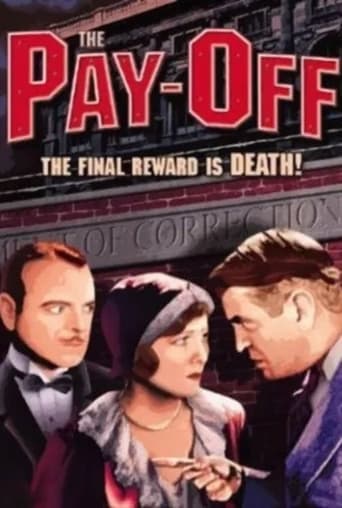
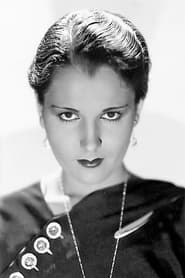
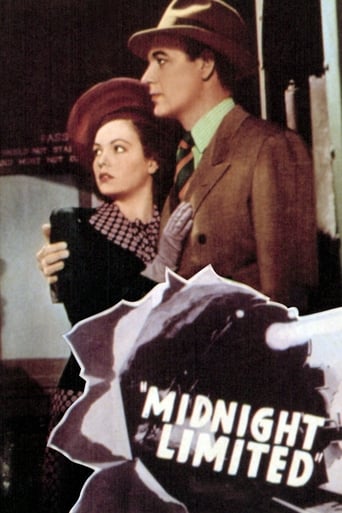
American actress who worked primarily during the Golden Age of Hollywood, appearing in supporting roles throughout the 1930s and into the early 1940s. Her the transition from late silent films into the sound era, though she was primarily known for her work in talkies. Chevret often portrayed character roles, frequently cast as secretaries, waitresses, or other working-class women in films of the period. Lita appears in notable films such as 'The Pay-Off' (1930), which was an early sound crime drama, and 'Midnight Limited' (1940), a mystery thriller. While never achieving leading lady status, Chevret maintained steady employment in Hollywood's studio system, appearing in numerous uncredited or minor credited roles across various genres. Her career trajectory was typical of many character actresses of her era who provided essential supporting performances that helped complete the ensemble casts of Hollywood productions. Her filmography reflects the journey of a reliable working actress during one of cinema's most productive decades.
The Craft
On Screen
Lita Chevret was known for her naturalistic approach to character acting, bringing authenticity to her supporting roles as everyday women. Her performances were grounded and believable, fitting well within the realistic acting style that became prominent in early sound cinema. She specialized in portraying working-class characters with genuine emotion and relatable qualities.
Milestones
- Film debut in 'The Pay-Off' (1930)
- Appeared in 'Midnight Limited' (1940)
- Steady work as character actress throughout the 1930s
- Transitioned successfully from late silent era to sound films
Best Known For
Iconic Roles
Must-See Films
Why They Matter
Impact on Culture
Lita Chevret represents the countless character actresses who formed the backbone of Hollywood's Golden Age productions. While not a household name, her contributions to films of the 1930s helped create the supporting characters that gave classic cinema its depth and authenticity. Her work exemplifies the essential role played by reliable character actors in bringing stories to life and providing the necessary context for leading performances.
Lasting Legacy
Lita Chevret's legacy lies in her body of work as a dependable character actress during Hollywood's studio era. Her filmography shows the many talented performers who, while never achieving star status, made invaluable contributions to classic cinema. Her performances survive as part of the historical record of 1930s and early 1940s filmmaking, representing the craft and dedication of working actors of her generation.
Who They Inspired
As a character actress, Lita Chevret influenced subsequent generations of supporting actors by demonstrating the importance of authenticity in smaller roles. Her naturalistic approach to portraying everyday women helped establish a template for character acting that would continue throughout Hollywood's history, showing that even brief performances could leave lasting impressions when delivered with conviction and realism.
Off Screen
Limited information is available about Lita Chevret's personal life, which was common for supporting actresses of her era who did not achieve major stardom. Like many character actors of the 1930s, she maintained a relatively private life away from the Hollywood spotlight.
Did You Know?
- Appeared in films spanning the decade of the 1930s, showing remarkable longevity for a character actress
- Worked during the crucial transition period from silent films to sound cinema
- Often cast in contemporary roles that reflected the working women of Depression-era America
- Her active years covered ten years during one of Hollywood's most productive periods
- Like many supporting actors of her era, she frequently appeared without on-screen billing in films
- Represented the type of reliable, professional actress that studios depended on for ensemble casts
Frequently Asked Questions
Who was Lita Chevret?
American character actress who worked during Hollywood's Golden Age, primarily in the 1930s and early 1940s. She appeared in supporting roles in numerous films, including 'The Pay-Off' (1930) and 'Midnight Limited' (1940), often portraying working-class women and everyday characters.
What films is Lita Chevret best known for?
Titles linked here include The Pay-Off (1930), Midnight Limited (1940).
When was Lita Chevret born and when did she die?
Specific birth and death dates for Lita Chevret are not well-documented in historical records, which was common for supporting actors who did not achieve major stardom. Her known film active years covered from 1930 to 1940, suggesting she was active as an actress during this decade.
What awards did Lita Chevret win?
There are no recorded major awards or nominations for Lita Chevret, which was typical for character actresses of her era who often worked in supporting roles. Her contributions were primarily valued through steady employment and reliable performances rather than formal recognition.