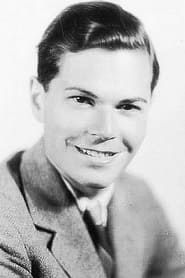
William Janney
Actor
Born: February 21, 1908 in New York City, New York, USA Died: December 22, 1974 Active: 1929-1932
Films
5 films



About William Janney
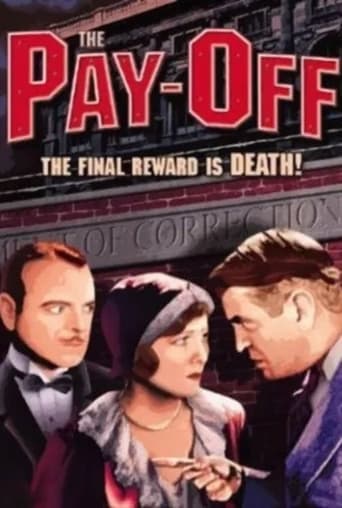
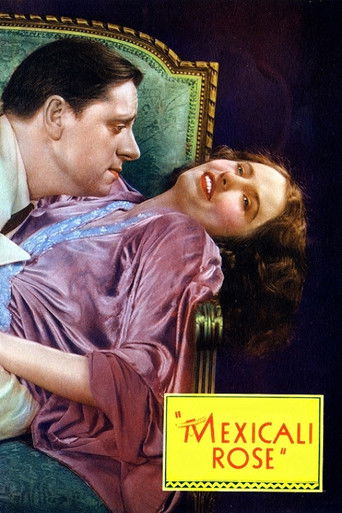
American actor who emerged during Hollywood's pivotal transition from silent films to talkies in the late 1920s. Born in New York City in 1908, he began his film career at Paramount Pictures as a contract player, quickly landing roles in several notable productions of the early sound era. His most significant appearance was in 'Coquette' (1929), Mary Pickford's first talking film, which showcased his ability to adapt to the new medium of sound cinema. Throughout his brief but notable career from 1929 to 1932, Janney appeared in approximately 15-20 films, often cast as a romantic lead or supporting actor alongside some of the era's biggest stars. He worked with acclaimed directors like John Ford in 'Salute' (1929) and appeared in popular productions such as 'Mexicali Rose' and 'The Pay-Off'. Despite his promising start and connections to major Hollywood figures, Janney's acting career concluded in the early 1930s, a common fate for many actors who struggled to maintain their footing during the dramatic industry changes of the period. After leaving acting, he married prominent silent film actress Barbara Kent in 1932, and the couple remained together until his death in 1974.
The Craft
On Screen
William Janney's acting style was typical of the transitional period from silent to sound films, blending the exaggerated expressions of silent cinema with the more naturalistic delivery required for talkies. As a romantic lead, he employed the dashing, polished demeanor popular in late 1920s cinema, with clear enunciation and stage-trained projection that served him well in early sound productions. His performances demonstrated the technical challenges many actors faced during this era, as they adapted their craft to accommodate microphones and synchronized sound while maintaining the visual storytelling techniques of silent film.
Best Known For
Iconic Roles
Must-See Films
Working Relationships
Worked Often With
Studios
Why They Matter
Impact on Culture
William Janney represents the generation of actors who navigated the challenging transition from silent films to talkies in the late 1920s and early 1930s. His appearance in 'Coquette' (1929), Mary Pickford's landmark first talking film, places him at a significant moment in cinema history when the industry was fundamentally transforming. While not a major star himself, his career trajectory reflects the broader story of many actors whose careers were shaped by the technological and artistic upheavals of early sound cinema. His brief but notable filmography provides insight into the types of roles and acting styles that characterized this transitional period, serving as a historical record of Hollywood's adaptation to new technologies and audience expectations.
Lasting Legacy
William Janney's legacy is primarily historical rather than artistic, representing the numerous actors who populated Hollywood's golden age but whose careers were relatively brief. His most enduring contribution to film history is his participation in 'Coquette' (1929), a film that marked Mary Pickford's successful transition to sound and earned her an Academy Award. As part of the constellation of actors who worked during cinema's formative years, Janney's career serves as a reminder of the thousands of performers who contributed to Hollywood's early development but whose names are largely forgotten today. His marriage to Barbara Kent, a more prominent figure from the silent era, has ensured his name remains connected to classic cinema history, even if his own contributions were modest.
Who They Inspired
William Janney's influence on subsequent generations of actors appears to be minimal, given his brief career and limited body of work. However, his experience during the transition from silent to sound films exemplifies the challenges and adaptations that early Hollywood actors faced, providing historical context for understanding the evolution of film acting techniques. His work with established stars like Mary Pickford and directors like John Ford placed him within important creative circles of the era, though his direct influence on other performers appears limited. His career trajectory serves more as a case study in the volatile nature of early Hollywood careers than as a source of artistic influence on later generations.
Off Screen
William Janney married actress Barbara Kent, a prominent silent film star known for her work with Harold Lloyd and others, in 1932. Their marriage lasted 42 years until his death in 1974, and they made their home in California after leaving the entertainment industry. The couple had no children together. After his acting career ended, Janney largely stepped away from the public eye, focusing on his marriage and private life rather than pursuing other avenues in the entertainment industry.
Family
- Barbara Kent (1932-1974)
Did You Know?
- Born in New York City but built his career in Hollywood
- Appeared in Mary Pickford's Academy Award-winning film 'Coquette'
- Married silent film star Barbara Kent, who was one of the WAMPAS Baby Stars of 1927
- His entire film active years covered only three years during the transition to sound
- Like many actors of his era, he struggled to maintain his career as the film industry rapidly evolved
- His wife Barbara Kent outlived him by 37 years, dying in 2011 at age 103
- Paramount Pictures was his primary studio during his acting career
- His filmography represents the typical output of a contract player during the early sound era
- He was part of the last generation of actors who began in silent films and transitioned to talkies
Frequently Asked Questions
Who was William Janney?
American with credits in this catalog. He appeared in notable films including Mary Pickford's first talking film 'Coquette' (1929) and worked with director John Ford. His career was relatively brief, lasting only about three years, after which he married silent film star Barbara Kent and left the entertainment industry.
What films is William Janney best known for?
When was William Janney born and when did he die?
Born February 21, 1908; died December 22, 1974.
What awards did William Janney win?
There is no record of William Janney receiving any major film awards or nominations during his brief acting career. While he appeared in 'Coquette' (1929), which won Mary Pickford an Academy Award for Best Actress, Janney himself did not receive individual recognition for his performances. His contributions to cinema are primarily historical rather than award-winning.
What was William Janney's acting style?
William Janney's acting style was characteristic of the transitional period from silent to sound films, combining the visual expressiveness of silent cinema with the vocal clarity required for talkies. As a romantic lead, he employed the polished, dashing demeanor popular in late 1920s cinema, with careful enunciation and projection suited to early sound recording technology. His style reflected the technical challenges actors faced when adapting to synchronized sound while maintaining visual storytelling techniques.