Virginia Lee Corbin
Actor
Born: December 5, 1910 in Prescott, Arizona, USA Died: June 4, 1942 Active: 1916-1926
Films
2 films

About Virginia Lee Corbin
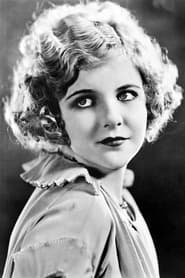
Celebrated child actress who rose to prominence during the silent film era, beginning her remarkable career at the tender age of five. Discovered by director Sidney Olcott while living with her family in Arizona, she quickly became one of Fox Film Corporation's most bankable young stars, captivating audiences with her natural charm and expressive performances. Throughout the late 1910s and early 1920s, Corbin appeared in dozens of shorts and feature films, often playing precocious or innocent characters that endeared her to moviegoers. As she matured, she successfully transitioned from child roles to young adult parts, though her popularity gradually waned as new faces emerged in Hollywood. Her career effectively concluded with the advent of sound films, a common fate for many silent era actors whose personas were intrinsically tied to that medium. Despite her relatively brief decade-long career, Corbin on silent cinema as one of the era's most recognizable and talented child performers.
The Craft
On Screen
Virginia Lee Corbin's acting style embodied the expressive, theatrical approach characteristic of silent film performers. She utilized exaggerated facial expressions and physical gestures to convey emotion effectively without dialogue, a technique essential for the silent medium. Corbin specialized in portraying innocent, sweet, and often precocious characters that resonated strongly with audiences of the time. Her natural charisma and screen presence allowed her to deliver performances that felt authentic despite the heightened style required by silent cinema. As she matured into young adult roles, she adapted her style to incorporate more subtle emotional nuances while maintaining the visual expressiveness that silent film demanded.
Milestones
- Discovered by director Sidney Olcott at age 5
- Starred in 'Aladdin and the Wonderful Lamp' (1917)
- Became one of Fox Film Corporation's most popular child stars
- Successfully transitioned from child to young adult roles
- Appeared in over 40 films during her decade-long career
- Worked with prominent silent film directors including Sidney Olcott and Chester M. Franklin
Best Known For
Iconic Roles
Must-See Films
Accolades
Special Recognition
- Popular child star recognition during the silent era
Working Relationships
Worked Often With
Studios
Why They Matter
Impact on Culture
Virginia Lee Corbin represented the archetype of the successful child star during Hollywood's formative years, embodying both the opportunities and challenges faced by young performers in the silent era. Her popularity helped establish the commercial viability of child-centered films, demonstrating that young performers could carry major productions and drive box office success. Corbin's career trajectory also illustrated the precarious nature of child stardom, as she struggled to maintain her relevance as she aged out of the roles that made her famous. Her work contributed to the development of acting techniques specifically suited for child performers in silent cinema, influencing subsequent generations of young actors who had to convey complex emotions without dialogue.
Lasting Legacy
Virginia Lee Corbin's legacy endures as a representative figure of the silent era's child stars, whose careers often burned brightly but briefly during cinema's early decades. Her films, particularly 'Aladdin and the Wonderful Lamp,' remain valuable artifacts of silent cinema history, showcasing the technical and artistic achievements of the period. Corbin's story serves as a poignant reminder of the transitory nature of fame in early Hollywood, especially for child actors who struggled to transition to adult roles. While she may not be as widely remembered today as some of her contemporaries, film historians and silent cinema enthusiasts recognize her contributions to the art form and her status as.
Who They Inspired
Virginia Lee Corbin influenced subsequent generations of child performers through her naturalistic yet expressive acting style, which balanced authenticity with the heightened emotions required by silent cinema. Her ability to transition from child to young adult roles, though ultimately limited in longevity, provided a model for other young actors attempting similar career progressions. Corbin's work with major studios like Fox helped establish protocols and working conditions for child actors that would influence industry standards. Her performances demonstrated that child actors could handle complex emotional material and carry feature-length productions, expanding the possibilities for young performers in cinema.
Off Screen
Virginia Lee Corbin's personal life was marked by early success followed by challenges as she transitioned out of her film career. She married Theodore Krol at the young age of 18 in 1929, shortly after her film career had ended. The couple had two children together, but their marriage ended in divorce in 1932. After leaving Hollywood, Corbin struggled to find success outside of the film industry and faced health challenges in her later years. Her life was tragically cut short when she died of tuberculosis at the age of 31 in 1942, leaving behind a legacy as one of the silent era's most talented child performers.
Education
Limited formal education due to early career demands; likely received tutoring on film sets
Family
- Theodore Krol (1929-1932)
Did You Know?
- Began her film career at age 5 after being discovered by director Sidney Olcott
- Was one of the highest-paid child stars of her time, earning hundreds of dollars per week
- Her role in 'Aladdin and the Wonderful Lamp' was one of her most celebrated performances
- Appeared in over 40 films during her decade-long career
- Like many silent era stars, her career ended with the transition to sound films
- Died tragically young at age 31 from tuberculosis
- Was often billed simply as 'Virginia Corbin' in early films
- Her family moved from Arizona to California to support her acting career
- Worked primarily with Fox Film Corporation throughout her career
- Was considered
In Their Own Words
I've been in pictures so long I can't remember when I wasn't making them
Being a movie star is wonderful when you're little, but it's hard to grow up in pictures
Frequently Asked Questions
Who was Virginia Lee Corbin?
Popular American child actress during the silent film era who began her career at age 5 and became one of Fox Film Corporation's most bankable young stars. She appeared in over 40 films between 1916 and 1926, with her most famous role being Princess Badr al-Budur in 'Aladdin and the Wonderful Lamp' (1917).
What films is Virginia Lee Corbin best known for?
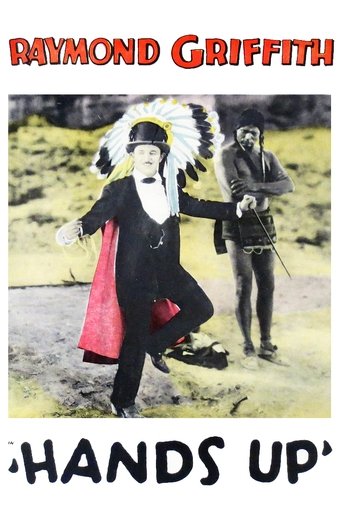
Titles linked here include Aladdin and the Wonderful Lamp (1917), Hands Up! (1926).
When was Virginia Lee Corbin born and when did she die?
Born December 5, 1910; died June 4, 1942.
What awards did Virginia Lee Corbin win?
While Virginia Lee Corbin did not receive formal awards during her career, she was recognized as. She commanded high salaries and was one of Fox Film Corporation's most valuable young performers during her peak years.
What was Virginia Lee Corbin's acting style?
Virginia Lee Corbin's acting style embodied the expressive, theatrical approach characteristic of silent film performers. She used exaggerated facial expressions and physical gestures to convey emotion without dialogue, specializing in innocent, sweet characters that resonated with audiences. Her natural charisma and screen presence made her performances feel authentic despite the heightened style required by silent cinema.