

Aladdin and the Wonderful Lamp
"Lamp beneath the sands"
Keys: Space play/pause · ←/→ 10s · F fullscreen · M mute · </> speed
About this film
Fox Film's 1917 silent features Princess Badr al-Budur loving poor Aladdin while evil al-Talib seeks a magic lamp in an Orientalist adventure spectacle.
Cast & crew
More films like this
More Fantasy films
View all →

More from Chester M. Franklin
View all →
More about this film
About the production
Release dateDecember 16, 1917
ProductionFox Film Corporation
Filmed inFox Studio, Los Angeles, California
was part of Fox's 'Sunshine Kiddies' series, which featured child actors in leading roles. The production utilized elaborate sets and costumes to recreate the Arabian setting, with special attention to the magical elements of the story. The cave sequences were particularly challenging to film, requiring innovative lighting techniques to create the mysterious atmosphere. The film employed early special effects techniques to portray the genie's magical appearances and the transformations brought about by the lamp.
Themes
Love across social classesGood versus evilThe corrupting influence of powerDestiny versus free willThe dangers of greed
Themes & topics
magic lampgenieprincesspoor boyArabian Nightscaveabductiondesertalchemytransformationwishesforbidden loveevil sorcererrescue
Historical background
Among many silent Aladdin adaptations before Disney; Fox invested in exotic sets.
Why this film matters
As one of the earliest cinematic adaptations of the Aladdin story, helped establish many visual and narrative conventions that would influence later adaptations. The film contributed to the popularization of Arabian Nights stories in American popular culture, paving the way for numerous subsequent adaptations across various media. Its use of child actors in adult roles reflected early 20th-century attitudes about childhood and performance, while also demonstrating the film industry's recognition of family audiences as a crucial market segment. The film's visual representation of the Middle East, while stereotypical by modern standards, created a lasting visual template for how Western cinema would depict exotic Eastern settings for decades. The technical innovations in special effects, particularly in depicting magical elements, influenced how fantasy films would approach supernatural elements in the silent era.
Making of
The production of 'Aladdin and the Wonderful Lamp' took place during a transitional period in American cinema when feature films were becoming the industry standard. The Franklin Brothers, Chester and Sidney, were known for their work with child actors and family-friendly content. The casting of young performers in romantic roles was not unusual for the period, as studios believed child stars had greater appeal to family audiences. The special effects for the genie sequences were achieved through multiple exposure techniques and careful editing, representing some of the more sophisticated visual effects of 1917. The elaborate costumes and sets were designed to transport audiences to the exotic world of the Arabian Nights, with particular attention paid to the opulence of the Sultan's palace and the mystery of the underground cave. The film's production coincided with Fox Film Corporation's expansion into feature-length productions, and it was marketed as one of their prestige holiday releases for 1917.
What critics said
Survival partial; interest for comparison with later fantasy cinema.
Did you know?
- This was one of the earliest film adaptations of the Aladdin story from One Thousand and One Nights
- The film featured child actors in adult roles, a common practice in early cinema
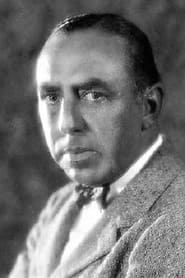
- Director Chester M. Franklin co-directed with his brother Sidney Franklin as the Franklin Brothers
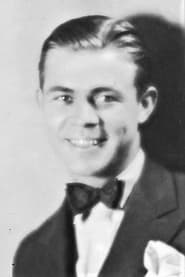
- Francis Carpenter, who played Aladdin, was a popular child actor of the era who appeared in numerous Fox productions
- The film was released during World War I, when fantasy films provided escapist entertainment for war-weary audiences
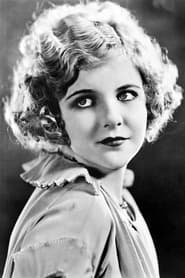
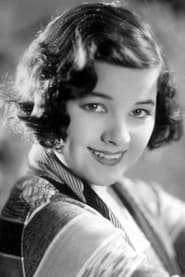
- Virginia Lee Corbin, who played Princess Badr al-Budur, was only 11 years old during filming
- The Evil Spirit character was one of the early examples of supernatural antagonists in American cinema
- The film's success led to several other Arabian Nights adaptations by Fox in the following years
- The magical lamp prop was reportedly quite elaborate and featured in Fox's promotional materials
- The desert scenes were filmed on studio backlots rather than on location, typical of the era
Visual style
The cinematography by William F. Seaver employed innovative techniques for the period, particularly in the magical sequences. The underground cave scenes utilized dramatic lighting contrasts to create an atmosphere of mystery and danger, with the use of calcium flares to produce otherworldly effects. The palace sequences featured elaborate lighting setups to convey opulence and grandeur, using multiple light sources to create depth in the architectural sets. The desert scenes, though filmed on studio backlots, used careful camera positioning and lighting to simulate the harshness of the Arabian desert. The film made effective use of the iris shot technique, common in silent cinema, to focus audience attention on important narrative elements. The special effects sequences involving the genie required multiple exposure techniques and careful matte work to achieve the magical appearances and disappearances.
Innovations
The film featured several technical innovations for its time, particularly in the realm of special effects. The appearance of the genie utilized sophisticated multiple exposure techniques that were cutting-edge for 1917. The underground cave sequences employed innovative lighting methods to create the illusion of depth and mystery. The transformation sequences, where characters' fortunes changed through the lamp's magic, required careful editing and in-camera effects. The production design included elaborate mechanical props, particularly for the magical lamp itself, which featured in several key scenes. The film's use of matte painting techniques to extend the visual scope of the palace and desert settings represented some of the more advanced compositing work of the period. The seamless integration of these effects into the narrative demonstrated the growing sophistication of Hollywood's technical capabilities.
Music
As a silent film, 'Aladdin and the Wonderful Lamp' would have been accompanied by live musical performance during its theatrical run. The original score was likely compiled from existing classical pieces and popular music of the era, arranged to match the film's mood and action. The exotic setting would have prompted the inclusion of 'Oriental' themed music, drawing from the European tradition of musical exoticism. Large urban theaters would have employed full orchestras, while smaller venues might have used a pianist or small ensemble. The musical cues would have emphasized the magical elements, the romantic scenes, and the dramatic confrontations between characters. Fox Film Corporation may have distributed suggested cue sheets to theaters to ensure consistent musical accompaniment across different venues.
Famous quotes
The lamp holds more power than all the sultan's treasures" (intertitle)
Love knows no rank, but follows the heart" (intertitle)
Magic serves the pure of heart, not the wicked" (intertitle)
Memorable scenes
- Aladdin's discovery of the magical lamp in the underground cave, with dramatic lighting and special effects creating an atmosphere of mystery and wonder
- The genie's first appearance, utilizing multiple exposure techniques to create a magical transformation
- The desert abduction sequence, with its dramatic chase across the sand dunes
- The final rescue scene where the Sultan's horsemen arrive to save Aladdin from dying of thirst
What audiences thought
The film was reportedly popular with family audiences during its theatrical run, particularly during the 1917 holiday season. Contemporary audience reactions, as reported in trade publications, emphasized the enjoyment of the magical sequences and the appeal of the young performers. The film's fantasy elements and exotic setting provided welcome escapism for audiences dealing with the ongoing World War I. Box office receipts, while not precisely documented, were considered satisfactory enough to justify Fox's continued investment in similar productions. The film's success with audiences helped confirm the commercial viability of feature-length fantasy films and encouraged other studios to produce similar Arabian Nights adaptations. Audience letters published in film magazines of the period frequently mentioned the film's visual spectacle and the charming performances of the child actors.
Film connections
Influenced by
- One Thousand and One Nights (Arabian Nights)
- Earlier stage adaptations of Aladdin
- The growing popularity of exotic settings in American cinema
- Contemporary European fantasy films
This film influenced
- The Thief of Bagdad (1924)
- Aladdin (1939)
- later Arabian Nights adaptations
- The Thief of Bagdad (1940)
- numerous animated and live-action Aladdin adaptations
Film restoration
The film is believed to be partially preserved, with some reels existing in film archives. However, like many films from this era, it may not survive in its complete form. The Library of Congress and other film preservation institutions hold portions of the film. Some scenes may exist only in fragmentary form or as still photographs. The Fox Film Corporation's archives from this period suffered significant losses over the decades, making complete preservation unlikely. Restoration efforts have been limited due to the fragmentary nature of surviving materials.
Where to watch
- The film is occasionally screened at silent film festivals and special cinema events
- Some archives may offer viewing access to researchers by appointment
- Portions may be available through film preservation institutions
- Public domain releases may exist on specialty DVD collections of silent films