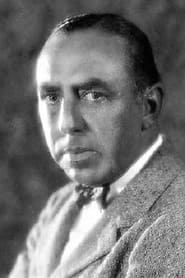
Chester M. Franklin
Director
Born: September 1, 1889 in San Francisco, California, USA Died: March 12, 1935 Active: 1915-1928 Birth Name: Chester Mortimer Franklin
Films
5 films


About Chester M. Franklin
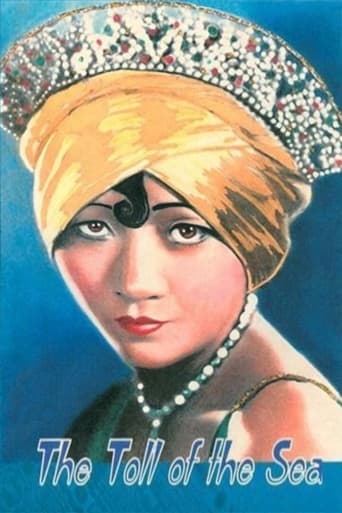
Made significant contributions to early cinema, particularly in the realm of color filmmaking. Beginning his career in 1915, Franklin quickly established himself as a versatile director capable of handling various genres, from family dramas to adventure films. His most historically significant work, 'The Toll of the Sea' (1922), was one of the first feature films produced in Technicolor's two-color process and featured Anna May Wong in her first leading role. Franklin demonstrated a keen eye for visual storytelling and was particularly adept at working with child actors, as evidenced in his early works. He often collaborated with his brother Sidney A. Franklin, who would later become a prominent director at MGM. Though his active period was relatively brief, ending in the mid-1920s, Franklin's technical innovations and genre-spanning filmography on early Hollywood cinema. His later career saw him transition to producing and writing roles before his untimely death at the age of 45.
The Craft
Behind the Camera
Franklin was known for his technical innovation and visual storytelling prowess, particularly evident in his approach to early color cinematography. His directing style emphasized clear narrative progression and emotional engagement, often focusing on intimate family dynamics and character-driven stories. He demonstrated particular skill in directing children and animals, creating naturalistic performances that resonated with audiences. Franklin's work showed a progressive attitude toward racial representation for his time, notably casting Anna May Wong as a lead in 'The Toll of the Sea.' His visual compositions were carefully crafted to maximize the impact of the limited color palettes available in early Technicolor processes.
Milestones
- Directed 'The Toll of the Sea' (1922), the first Technicolor feature film
- Pioneered early color filmmaking techniques
- Launched Anna May Wong's starring career
- Directed early Rin Tin Tin film 'Where the North Begins' (1923)
- Collaborated frequently with brother Sidney A. Franklin
- Made significant contributions to family-oriented cinema
- Worked across multiple genres including drama, adventure, and fantasy
Best Known For
Must-See Films
Accolades
Special Recognition
- Historical recognition for work in color cinema
- Cited in film history books for contributions to early Technicolor development
Working Relationships
Worked Often With
Studios
Why They Matter
Impact on Culture
Chester M. Franklin's most significant cultural impact came through his groundbreaking work with color cinematography in 'The Toll of the Sea,' which helped pave the way for the eventual adoption of color in mainstream cinema. The film's success demonstrated the commercial viability of color features and influenced Hollywood's gradual transition from black and white. His casting of Anna May Wong in a leading role was progressive for the era, though still constrained by the racial stereotypes of the time. Franklin's work with family-oriented content helped establish conventions for children's cinema that would influence later filmmakers. His technical innovations in early color processes contributed directly to the development of more sophisticated color systems that would eventually dominate the industry.
Lasting Legacy
Chester M. Franklin's legacy is primarily preserved through his work in color cinema and his role in launching Anna May Wong's career. While his name may not be widely recognized today, film historians acknowledge his contributions to early Technicolor development and his influence on the technical evolution of cinema. 'The Toll of the Sea' remains a significant artifact in film history, studied for its early use of color and its place in Asian-American cinema representation. Franklin's work exemplifies the experimental spirit of early Hollywood filmmakers who were constantly pushing the boundaries of what was technically and artistically possible. His career, though brief, represents an important bridge between the primitive days of cinema and the more sophisticated studio system that would follow.
Who They Inspired
Franklin influenced subsequent generations of filmmakers through his early adoption of color technology and his demonstrated success with color features. His work helped convince skeptical studio executives that color filmmaking could be commercially viable, accelerating the industry's transition to color production. Directors who followed in color cinema benefited from the technical and artistic groundwork he helped establish. His success with family-oriented content influenced the development of children's cinema as a distinct genre. Franklin's collaborative approach with his brother also demonstrated the value of creative partnerships in filmmaking, a model that would be emulated by many subsequent director-producer teams.
Off Screen
Chester M. Franklin was born into a theatrical family in San Francisco, which influenced his early interest in filmmaking. He married actress Pauline Starke in 1925, though the marriage ended in divorce. Franklin had one brother, Sidney A. Franklin, who also became a prominent director in Hollywood. The brothers often collaborated early in their careers before pursuing separate paths in the industry. Franklin's life was cut short when he died of a heart attack in Los Angeles at age 45, ending a promising career that had already made significant contributions to cinema history.
Education
Limited formal education; largely self-taught in filmmaking through practical experience in the early film industry
Family
- Pauline Starke (1925-1930)
Did You Know?
- 'The Toll of the Sea' was the first feature film made in Technicolor's two-color process
- The film's success helped save the struggling Technicolor company from bankruptcy
- Franklin and his brother Sidney both started as actors before becoming directors
- He was one of the first directors to successfully integrate color cinematography into narrative storytelling
- Franklin worked extensively with child actors, demonstrating unusual skill for the era
- His film 'Where the North Begins' helped establish Rin Tin Tin as a major star
- Franklin was part of the early wave of directors who transitioned from stage to film
- He directed over 40 films during his relatively short career
- Franklin's work often explored themes of family and cultural identity
- His death at age 45 cut short what might have been an even more influential career
In Their Own Words
On color filmmaking: 'Color is not merely an addition to motion pictures, but a new dimension in storytelling'
On directing: 'The camera must capture not just what the actors do, but what they feel'
On innovation: 'In this business, standing still is the same as moving backward'
Frequently Asked Questions
Who was Chester M. Franklin?
American on YTB.my.
What films is Chester M. Franklin best known for?
Titles linked here include The Toll of the Sea (1922), Where the North Begins (1923).
When was Chester M. Franklin born and when did he die?
Born September 1, 1889; died March 12, 1935.
What awards did Chester M. Franklin win?
While Chester M. Franklin did not receive major formal awards during his lifetime, he is historically recognized for his contributions to color cinema and early Technicolor development.
What was Chester M. Franklin's directing style?
Franklin's directing style emphasized technical innovation, visual storytelling, and emotional engagement. He was particularly skilled at working with children and animals, and demonstrated a progressive approach to casting for his time.
How did Chester M. Franklin influence cinema?
Franklin influenced cinema primarily through his groundbreaking work with color technology, helping prove the commercial viability of color features and launching Anna May Wong's starring career with 'The Toll of the Sea.'
Did Chester M. Franklin work with any famous actors?
Yes, Franklin worked with several notable figures including Anna May Wong in her breakthrough role, Rin Tin Tin in 'Where the North Begins,' and was married to actress Pauline Starke.