
'Baby' Carmen De Rue
Actor
Born: 1911 in United States Active: 1916-1917 Birth Name: Carmen De Rue
Films
3 films

About 'Baby' Carmen De Rue
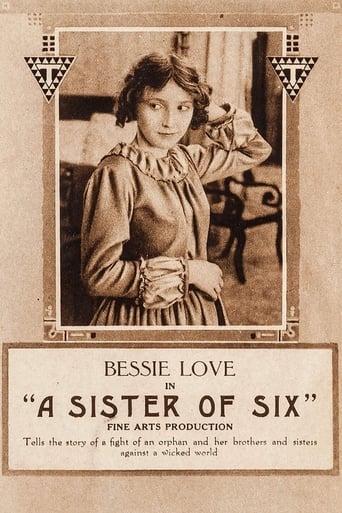
Carmen De Rue, known professionally as 'Baby' Carmen De Rue, was a child actress during the silent film era who achieved brief fame in the mid-1910s. Beginning her career at an exceptionally young age, she appeared in several notable productions during 1916-1917, often cast in roles that capitalized on her youthful innocence and charm. Her most prominent work included roles in 'A Sister of Six' (1916) and the ambitious fantasy production 'Aladdin and the Wonderful Lamp' (1917), which showcased her ability to perform before cameras at an age when most children were just learning to speak. Like many child actors of the silent era, her career was brief, ending as quickly as it began when she outgrew the 'baby' roles that had made her notable. Her filmography, though limited, represents the typical trajectory of child performers in early Hollywood, where very young children were often cast for their visual appeal rather than acting experience. After her brief stint in motion pictures, she largely disappeared from public view, as was common for child actors of this period who did not transition to adult roles.
The Craft
On Screen
As a very young child actor, Carmen De Rue's performances relied primarily on natural expressions and reactions rather than technical acting skills. Her screen presence was characterized by the innocent charm and spontaneity that directors sought in very young child performers during the silent era.
Milestones
- Appeared in A Sister of Six (1916)
- Starred in Aladdin and the Wonderful Lamp (1917)
- One of the youngest credited actors in silent cinema
Best Known For
Iconic Roles
Must-See Films
Working Relationships
Studios
Why They Matter
Impact on Culture
Carmen De Rue represents the phenomenon of child actors in early Hollywood, where very young children were cast in films primarily for their visual appeal and ability to evoke audience emotion. Her brief career illustrates how the silent film industry utilized child performers, often for very short periods before they outgrew their roles. As part of the early wave of child actors in cinema, she contributed to the establishment of children as a significant element in film storytelling.
Lasting Legacy
While Carmen De Rue did not achieve lasting fame, her film work serves as historical documentation of child acting practices in the silent era. Her appearances in surviving films provide valuable insight into how very young children were integrated into early cinema productions and the types of roles they were given. Her career exemplifies the typical trajectory of many child actors from this period who had brief but notable appearances before returning to private life.
Who They Inspired
As a very early child actor, Carmen De Rue was part of the generation that established the precedent for using children in motion pictures. Her work, along with that of other child actors of the 1910s, helped demonstrate the emotional impact that children could have on film audiences, influencing how future directors would incorporate child performers into their productions.
Off Screen
Very little is documented about Carmen De Rue's personal life, which was typical for child actors from the silent era who had brief careers. After her acting career ended around 1917, she appears to have returned to a private life away from the entertainment industry.
Did You Know?
- Was one of the youngest credited actors in silent cinema
- Her nickname 'Baby' Carmen indicated she was an infant or toddler during her film career
- Appeared in Fox Film Corporation productions
- Her entire known filmography spans only two years
- Like many child actors of her era, she did not transition to adult roles
- Her film 'Aladdin and the Wonderful Lamp' was one of the earliest fantasy films featuring a child actor
- Silent era child actors often worked without the protections that would later be established for young performers
- Her brief career was typical of many 'baby' actors who were cast for their visual appeal rather than acting ability
Frequently Asked Questions
Who was 'Baby' Carmen De Rue?
Carmen De Rue — child actress during the silent film era, active primarily in 1916-1917. She was known for her roles in films like 'A Sister of Six' and 'Aladdin and the Wonderful Lamp,' appearing as a very young child before her brief career ended.
What films is 'Baby' Carmen De Rue best known for?
Titles linked here include A Sister of Six (1916), Aladdin and the Wonderful Lamp (1917).
When was 'Baby' Carmen De Rue born and when did she die?
Born 1911; died death date not listed.
What awards did 'Baby' Carmen De Rue win?
There are no documented awards or honors for Carmen De Rue, which was typical for child actors during the silent era when formal recognition systems for film performances were not yet established.
What was 'Baby' Carmen De Rue's acting style?
As a very young child actor, her performances relied on natural expressions and innocence rather than technical acting skills. Her screen presence was characterized by the spontaneous charm that directors sought in very young child performers during the silent film era.