
Buddy Messinger
Actor
Born: March 21, 1907 in Los Angeles, California, USA Died: October 19, 1988 Active: 1917-1923 Birth Name: Charles Franklin Messinger Jr.
Films
4 films

About Buddy Messinger
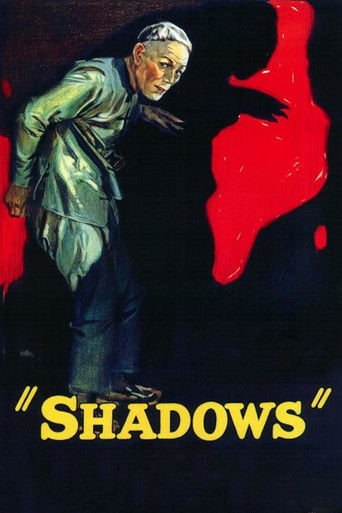
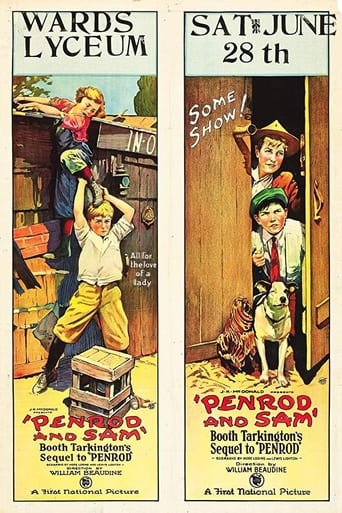
Prominent child actor during the silent film era,: from 1917 to 1923. Beginning his acting career at a very young age, he quickly became a recognizable face in Hollywood productions, often cast in roles that required youthful innocence and charm. His most notable work includes appearances in significant silent films such as 'Aladdin and the Wonderful Lamp' (1917), where he demonstrated remarkable screen presence for someone so young. Messinger's performance in 'Shadows' (1922), directed by Tom Forman, showcased his ability to handle more complex dramatic material, working alongside established actors of the era. In 'Penrod and Sam' (1923), he continued to build his reputation as one of the more reliable child actors of the period. Like many child actors of the silent era, Messinger's career was relatively brief, ending as he transitioned into adolescence. His work, however, of silent film history, representing the contributions of child performers to early cinema.
The Craft
On Screen
As a child actor of the silent era, Messinger employed naturalistic expressions and gestures that translated well to the medium of silent film. His performances were characterized by youthful innocence and emotional authenticity, which made him particularly effective in dramatic roles. Like many successful child actors of his time, he had an innate ability to convey complex emotions through facial expressions and body language without the benefit of dialogue.
Milestones
- Debut in 'Aladdin and the Wonderful Lamp' (1917)
- Notable role in 'Shadows' (1922)
- Performance in 'Penrod and Sam' (1923)
- One of the prominent child actors of the late silent era
Best Known For
Iconic Roles
Must-See Films
Working Relationships
Worked Often With
Studios
Why They Matter
Impact on Culture
Buddy Messinger represents an important segment of silent film history - the contribution of child actors to early cinema. During the silent era, child performers were essential for family-oriented productions and often brought a unique emotional authenticity to films. Messinger's work in significant silent films like 'Shadows' demonstrates how child actors were integral to the storytelling techniques of the time, often serving as emotional anchors or narrative catalysts. His performances, though brief in the scope of film history, reflect the professional standards and expectations placed on child performers during Hollywood's formative years.
Lasting Legacy
While Buddy Messinger may not be a household name today, his legacy lives on through the preservation of silent films in which he appeared. His work serves as a valuable record of child acting techniques during the silent era and provides insight into how Hollywood utilized young talent in its early years. Film historians and silent film enthusiasts continue to study performances like his to understand the evolution of child acting in cinema. Messinger's career also illustrates the common trajectory of many child actors of the period - brief but significant contributions to film history followed by a return to private life.
Who They Inspired
As a child actor during a formative period in cinema, Buddy Messinger influenced subsequent generations of child performers through his naturalistic acting style. His ability to convey emotion without dialogue set a standard for child actors in silent films. While he may not have directly mentored other actors, his performances in notable films served as examples for future child actors studying the craft. His work demonstrates the importance of authentic emotional expression in child performance, a principle that continues to influence child acting today.
Off Screen
After his brief but notable career as a child actor, Buddy Messinger largely stepped away from the entertainment industry as he grew older. He lived a relatively private life following his acting career, which was not uncommon for child actors of the silent era who often struggled to transition to adult roles. Messinger eventually married and started a family, choosing to pursue a career outside of Hollywood. His later life was marked by a deliberate separation from his childhood fame, though he remained connected to film history through his early contributions.
Education
Limited public information about formal education; likely attended Los Angeles area schools during his acting years
Family
- Dorothy Messinger (married 1932-1988)
Did You Know?
- Born Charles Franklin Messinger Jr., he used 'Buddy' as his professional name
- His career lasted only six years, from ages 10 to 16
- Like many child actors of the era, he was unable to successfully transition to adult roles
- His most significant film 'Shadows' (1922) is considered a lost film, with only fragments surviving
- He was part of a generation of child actors who worked during the transition from short films to feature-length productions
- His real name was sometimes credited as Charles Messinger Jr. In early film appearances
- He retired from acting before the transition to sound films in the late 1920s
- His father, Charles Messinger Sr., may have been involved in the film industry as well
- He represents a typical pattern of child actors from the silent era who had brief but notable careers
In Their Own Words
No documented famous quotes from Buddy Messinger, as he was a child actor during the silent era and gave few interviews
Frequently Asked Questions
Who was Buddy Messinger?
Screen credits include silent films during the late 1910s and early 1920s. He was active from 1917 to 1923 and appeared in notable films including 'Shadows' (1922) and 'Penrod and Sam' (1923). His career was typical of many child actors of the silent era, ending as he entered adolescence.
What films is Buddy Messinger best known for?
Titles linked here include Aladdin and the Wonderful Lamp (1917), Shadows (1922).
When was Buddy Messinger born and when did he die?
Born March 21, 1907; died October 19, 1988.
What awards did Buddy Messinger win?
Buddy Messinger did not receive any major awards or nominations during his career. This was common for child actors during the silent era, as formal award systems for film performances were not yet established.
What was Buddy Messinger's acting style?
As a child actor in silent films, Messinger used naturalistic expressions and gestures to convey emotions. His acting style emphasized authentic emotional delivery through facial expressions and body language, which was essential for effective performance in non-verbal cinema.
Why did Buddy Messinger's career end so early?
Buddy Messinger's acting career ended around 1923 when he was approximately 16 years old. This was typical for child actors of the era who often struggled to find suitable roles as they transitioned into adulthood, especially during the silent film period.
What is Buddy Messinger's legacy in film history?
Buddy Messinger's legacy lies in his contribution to silent cinema as a child actor. His performances help document the role of children in early Hollywood and serve as examples of child acting techniques during the silent era. He represents the many young performers who briefly but significantly contributed to early film history.