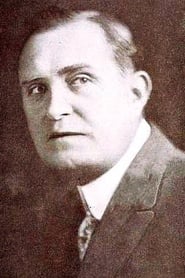
F.A. Turner
Actor
Born: October 29, 1858 in Milwaukee, Wisconsin, USA Died: February 8, 1941 Active: 1915-1925 Birth Name: Frederick A. Turner
Films
5 films

About F.A. Turner
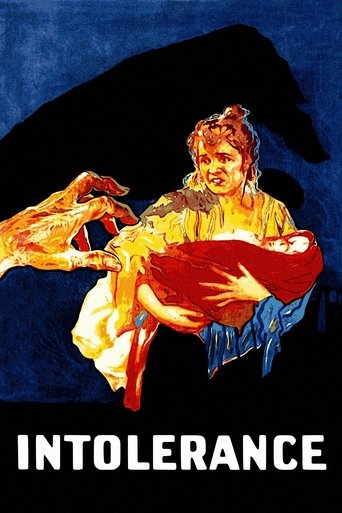
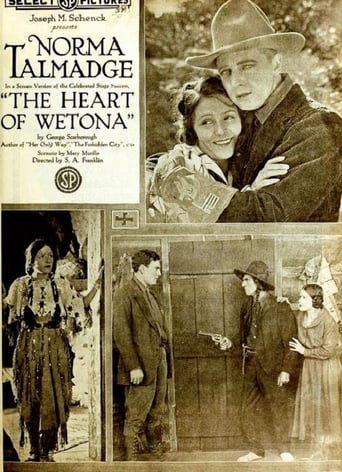
American silent film actor who worked during the transitional period of American cinema in the 1910s. F.A. Appears in several significant films of the era, most notably D.W. Griffith's epic 'Intolerance: Love's Struggle Throughout the Ages' in 1916. Turner was part of the ensemble cast that brought Griffith's ambitious multi-story narrative to life, appearing in one of the film's four parallel storylines. He continued his acting career with roles in 'Aladdin and the Wonderful Lamp' (1917), one of the early feature-length fantasy films, and 'The Heart of Wetona' (1919), a drama directed by Sidney Franklin. Like many character actors of the silent era, Turner often played supporting roles that helped establish the dramatic context for the films' main narratives. His career appears to have been concentrated primarily in the late 1910s, coinciding with the golden age of silent cinema before the transition to sound films.
The Craft
On Screen
As a silent film actor, Turner employed the exaggerated gestures and facial expressions characteristic of the era, using physical performance to convey emotion in the absence of dialogue. His roles suggest he was a reliable character actor capable of supporting the narrative needs of various film genres.
Milestones
- Appeared in D.W. Griffith's 'Intolerance' (1916)
- Worked in early fantasy cinema with 'Aladdin and the Wonderful Lamp' (1917)
- Appeared in significant silent dramas of the era
- Participated in the golden age of silent cinema
Best Known For
Iconic Roles
Must-See Films
Working Relationships
Worked Often With
Studios
Why They Matter
Impact on Culture
As a supporting actor in significant silent films, Turner contributed to the development of American cinema during its formative years. His participation in 'Intolerance' placed him within. Turner represents the numerous character actors who were essential to creating the early American cinema, providing the foundation upon which star performances could shine.
Lasting Legacy
While not a major star, F.A. Turner represents the numerous character actors who were essential to the silent film era, providing the foundation upon which star performances could shine. His work in historically significant films ensures his place in film history, even if his individual contributions were not widely recognized at the time. Turner's career exemplifies how supporting actors were crucial to the success of early cinema, helping to establish the dramatic context and emotional depth of silent films.
Who They Inspired
As a supporting actor, his direct influence on subsequent generations of performers would be limited, but his participation in groundbreaking films contributed to the artistic vocabulary of cinema that future actors would inherit. His work in 'Intolerance' helped establish techniques of ensemble acting in complex narrative structures that would influence film performance for decades to come.
Off Screen
Limited information is available about F.A. Turner's personal life beyond his birth and death dates and locations. He was born in Milwaukee, Wisconsin, in 1858 and lived to be 82 years old, passing away in 1941. His long life spanned from the Civil War era through World War II, making him one of the older actors working in the silent film industry.
Education
Information not readily available
Did You Know?
- Born in 1858, Turner was in his late 50s when he appeared in his most famous films, making him one of the older actors in the silent era
- 'Intolerance' was
- Turner's active years covered the transitional period when American cinema was evolving from short films to feature-length productions
- He appeared in 'Aladdin and the Wonderful Lamp' during a period when fantasy films were rare and technically challenging to produce
- The silent era in which Turner worked required actors to convey complex emotions without dialogue, relying entirely on physical performance
- Turner lived through the entire transition from silent films to sound films, though his career ended before the talkies became dominant
- His birth in 1858 means he was a child during the Civil War era, making him one of the few film actors with direct memory of 19th century America
Frequently Asked Questions
Who was F.A. Turner?
American silent film W. Griffith's 'Intolerance' (1916) and other significant silent productions. He was a character actor who contributed to the development of early American cinema.
What films is F.A. Turner best known for?
Titles linked here include Intolerance: Love's Struggle Throughout the Ages (1916), Aladdin and the Wonderful Lamp (1917).
When was F.A. Turner born and when did he die?
Born October 29, 1858; died February 8, 1941.
What awards did F.A. Turner win?
There are no documented major awards or nominations for F.A. Turner, which was common for supporting actors during the silent era before the establishment of many formal acting awards like the Academy Awards.
What was F.A. Turner's acting style?
As a silent film actor, Turner used the exaggerated physical expressions and gestures typical of the era, conveying emotion through movement and facial expression in the absence of dialogue. He was a reliable character actor who could adapt to various film genres.
How did F.A. Turner contribute to early cinema?
Turner contributed to early cinema by participating in groundbreaking films like 'Intolerance,' which pioneered narrative techniques and cross-cutting that influenced filmmaking for decades. As a supporting actor, he helped establish the dramatic foundation for these innovative productions.
Was F.A. Turner related to any other famous actors?
There is no documented evidence that F.A. Turner was related to other famous actors or filmmakers. He appears to have been an independent character actor working during the silent era.