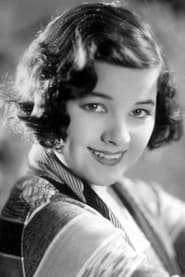
Gertrude Messinger
Actor
Born: April 28, 1911 in Spokane, Washington, USA Died: November 8, 1995 Active: 1917-1923 Birth Name: Gertrude Dolores Messinger
Films
2 films

About Gertrude Messinger
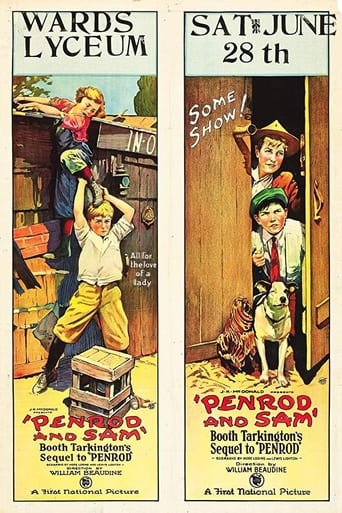
Prominent child actress during the silent film era, beginning her career at the remarkably young age of six. She made her film debut in the 1917 fantasy production 'Aladdin and the Wonderful Lamp,' where she showcased the natural charm and expressive abilities that would characterize her performances. Throughout her brief but notable career from 1917 to 1923, Messinger appeared in numerous silent films, often playing the daughter or younger sister of main characters. Her most recognized role came in 1923's 'Penrod and Sam,' an adaptation of Booth Tarkington's beloved stories, where she demonstrated remarkable screen presence alongside other child actors of the era. Messinger's acting style embodied the exaggerated facial expressions and gestural techniques essential to silent film performance, allowing her to convey emotion without dialogue. As she entered her teenage years, like many child actors of the period, her film career naturally concluded, and she transitioned away from the entertainment industry. Her work remains proof of the talented child performers who helped shape early American cinema during its formative years.
The Craft
On Screen
Messinger employed the classic silent film acting technique characterized by exaggerated facial expressions and broad physical gestures to convey emotion effectively without dialogue. Her performances were notably natural for a child actor of her era, displaying an innate ability to connect with audiences through expressive eyes and body language. She specialized in portraying innocent, wholesome characters that resonated with family audiences of the 1910s and early 1920s.
Milestones
- Film debut in 'Aladdin and the Wonderful Lamp' (1917) at age 6
- Notable performance in 'Penrod and Sam' (1923)
- Appeared in over 20 silent films during her career
- Worked with major studios of the silent era
- Transitioned successfully from early childhood to teenage roles
Best Known For
Iconic Roles
Must-See Films
Accolades
Special Recognition
- Recognized as a significant child actor of the silent era by film historians
Working Relationships
Worked Often With
Studios
Why They Matter
Impact on Culture
Gertrude Messinger contributed to the golden age of child actors in silent cinema, helping establish the template for youthful performances that would influence subsequent generations of child performers. Her work in family-oriented films during the transitional period of American cinema (late 1910s to early 1920s) represented the growing importance of children as both characters and audience members in Hollywood productions. Her performances in literary adaptations like 'Penrod and Sam' helped bring classic children's literature to the screen, making these stories accessible to a broader audience through the medium of film.
Lasting Legacy
Though her career was brief, Gertrude Messinger's legacy endures through the preservation of her films in silent cinema archives and the continued study of child actors in early Hollywood. Her performances serve as valuable examples of the acting techniques and storytelling methods used during the silent era, particularly in films aimed at family audiences. Film historians and silent cinema enthusiasts recognize her as part of the important generation of child performers who helped establish cinema as a family entertainment medium.
Who They Inspired
Messinger's naturalistic approach to child acting, while still employing the necessary techniques for silent film, influenced subsequent child actors who would later transition to sound films. Her ability to convey complex emotions through facial expression and body language provided a model for future generations of young performers working in visual media. The success of films featuring her helped demonstrate the commercial viability of productions centered around child protagonists, encouraging studios to invest more heavily in family-friendly content.
Off Screen
After retiring from acting in her early teens, Gertrude Messinger led a private life away from the entertainment industry. She married and raised a family, choosing to focus on her personal life rather than pursuing adult acting roles. Her transition from child stardom to private adulthood was relatively smooth, unlike many child actors who struggled with this change. She lived to the age of 84, passing away in California in 1995.
Education
Standard education for the period; details not publicly documented
Family
- Unknown (married after leaving film industry)
Did You Know?
- Began her film career at only 6 years old
- Appeared in over 20 films before retiring as a teenager
- Was part of the first generation of child actors in Hollywood
- Her film 'Aladdin and the Wonderful Lamp' was one of the earliest film adaptations of the classic tale
- Worked during the transitional period when Hollywood was establishing itself as the center of American film production
- Like many child actors of her era, she successfully transitioned to a private adult life
- Her performances have been studied by film historians researching child acting in silent cinema
- She was part of the wave of performers who left the industry before the transition to sound films
- Her work represents the family-oriented entertainment that dominated early American cinema
- She retired from acting before reaching adulthood, making her entire filmography consist of childhood roles
In Their Own Words
No documented famous quotes from her acting career or personal life
Frequently Asked Questions
Who was Gertrude Messinger?
Child actress who performed in silent films during the late 1910s and early 1920s. She began her career at age six and appeared in notable films like 'Aladdin and the Wonderful Lamp' (1917) and 'Penrod and Sam' (1923) before retiring as a teenager.
What films is Gertrude Messinger best known for?
Titles linked here include Aladdin and the Wonderful Lamp (1917), Penrod and Sam (1923).
When was Gertrude Messinger born and when did she die?
Born April 28, 1911; died November 8, 1995.
What awards did Gertrude Messinger win?
Gertrude Messinger did not receive formal awards during her acting career, as was common for child actors in the silent era. However, she is recognized by film historians as a significant child performer of early American cinema.
What was Gertrude Messinger's acting style?
Her acting style embodied the classic silent film technique with exaggerated facial expressions and physical gestures necessary for non-verbal storytelling. Despite these technical requirements, she was noted for her natural performances and ability to connect with audiences as a child performer.