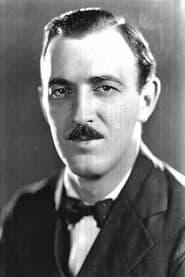
Raymond Griffith
Actor
Born: January 23, 1895 in Boston, Massachusetts, USA Died: November 25, 1957 Active: 1915-1957 (as actor 1915-1932, as producer/executive 1930s-1950s)
Films
5 films
About Raymond Griffith
Sophisticated silent film comedian and actor who rose to prominence in the 1920s, beginning his career in vaudeville before transitioning to films where he became known for his elegant, upper-class comedic persona. His career peaked with critically acclaimed films like 'Hands Up!' (1926) and 'Paths to Paradise' (1925), which showcased his unique blend of wit and refined physical comedy. Griffith's career was significantly impacted by the transition to sound films, as he had a weak, whispery voice that didn't record well with early sound technology, effectively ending his acting career in the early 1930s. Despite this setback, he successfully transitioned to a production role at Paramount Pictures and later became an executive at various studios, including RKO and Columbia Pictures. Griffith continued working behind the scenes in Hollywood for many years, leveraging his extensive industry knowledge and business acumen. He passed away in 1957, leaving behind a legacy as sophisticated and intelligent comedians of the silent era, whose work represented a more cerebral approach to comedy than his contemporaries.
The Craft
On Screen
Griffith was known for his sophisticated, intellectual comedy style that contrasted with the more slapstick-oriented comedians of his era. He portrayed elegant, often aristocratic characters who navigated comedic situations with wit and charm rather than broad physical humor. His performances were characterized by subtle facial expressions, precise timing, and a dignified bearing that made his comedic situations even more amusing. Griffith's approach was more cerebral than physical, relying on clever intertitles and situational irony. He was often compared to a silent film version of a drawing-room comedian, bringing a touch of class and intelligence to his roles that appealed to more upscale audiences.
Milestones
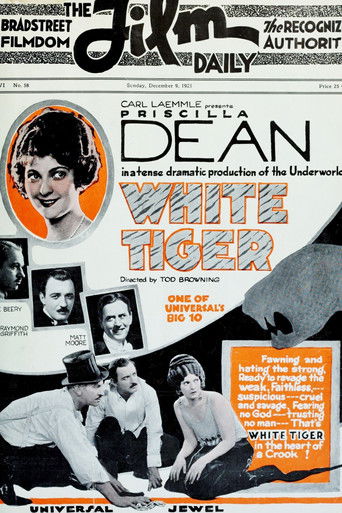
- Breakthrough role in 'White Tiger' (1923)
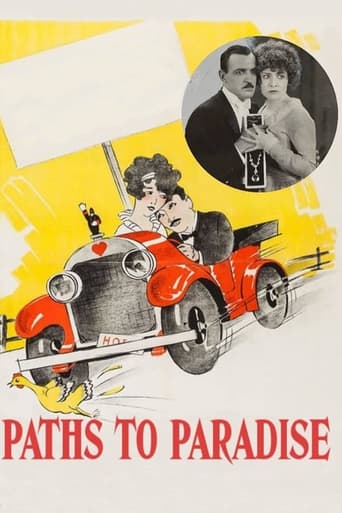
- Starred in the critically acclaimed 'Paths to Paradise' (1925)
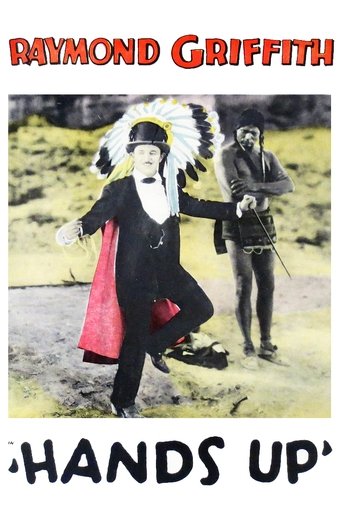
- Career-defining performance in 'Hands Up!' (1926)
- Successfully transitioned to producing at Paramount Pictures
- Became production executive at RKO and Columbia Pictures
Best Known For
Iconic Roles
Must-See Films
Accolades
Special Recognition
- Recognized by film historians as
- His films preserved and studied by major film archives including the Library of Congress
Working Relationships
Worked Often With
Studios
Why They Matter
Impact on Culture
Raymond Griffith represented a more intellectual and sophisticated approach to silent comedy, offering an alternative to the broader slapstick of contemporaries like Chaplin or Keaton. His work demonstrated that comedy could be both witty and elegant, appealing to more upscale audiences and expanding the range of what silent comedy could achieve. Griffith's transition from performer to executive also exemplified the adaptability required in the rapidly changing film industry of the late 1920s and 1930s, showing how performers could leverage their industry knowledge for continued success. His films remain important examples of the diversity within silent comedy, showing that the era encompassed various comedic styles beyond the most famous examples, and have influenced later generations of comedians who favor more sophisticated, character-driven humor.
Lasting Legacy
Griffith is remembered by film historians as. His masterpiece 'Hands Up!' is frequently cited as one of the great comedies of the 1920s, showcasing his unique blend of wit and physical comedy. His successful transition to production work demonstrated his versatility and business sense, making him a model for performers seeking to extend their careers beyond performing. Modern film scholarship has increasingly recognized Griffith's unique contribution to silent comedy, placing him among the more intelligent and refined performers of his time. His career also serves as an example of how the transition to sound affected different performers in various ways, with his voice limitations ending his performing career but not his industry involvement.
Who They Inspired
Griffith influenced later comedians who favored more sophisticated, dialogue-driven comedy over physical slapstick, including performers like Cary Grant and other specialists in 'sophisticated comedy.' His approach to comedy as an intelligent, character-driven art form paved the way for later performers who relied on wit and charm rather than physical humor. While not as widely remembered as some of his contemporaries, his work has been studied by comedians and filmmakers interested in the nuances of timing and character development in comedy. His successful transition to executive roles also influenced other performers to consider behind-the-scenes careers as their performing careers evolved or ended.
Off Screen
Griffith was married three times and had two children, maintaining a relatively private personal life despite his Hollywood success. His first marriage was to actress Carmelita Geraghty in 1924, which ended in divorce in 1927. He later married Evelyn L. F. Griffith, and finally to Virginia Card in 1942, with whom he remained until his death. Griffith was known in Hollywood circles for his intelligence and business acumen, which served him well in his later executive roles. He served in World War I before beginning his entertainment career, and was respected throughout the industry for his professionalism and adaptability during the challenging transition from silent to sound films.
Education
Limited information available, likely attended schools in Boston area before entering vaudeville
Family
- Carmelita Geraghty (1924-1927)
- Evelyn L. F. Griffith (years unknown)
- Virginia Card (1942-1957)
Did You Know?
- Griffith had a whisper-soft voice which made the transition to sound films particularly difficult
- He was originally a vaudeville performer before entering films, which refined his timing and stage presence
- 'Hands Up!' was considered lost for decades before being rediscovered in European archives
- He was one of the highest-paid comedians of the mid-1920s, earning over $3,000 per week
- Griffith was known for his impeccable fashion sense both on and off screen, always appearing impeccably dressed
- He served in World War I before his acting career, serving in the American Expeditionary Forces
- His comedy style was often compared to that of a 'drawing-room comedian' for its sophistication
- He was one of the few silent stars to successfully transition to executive roles in major studios
- Griffith was known for his extensive film library and deep knowledge of cinema history
- He maintained friendships with many Hollywood executives which helped his later career transition
- His films often featured him in tuxedos or formal wear, emphasizing his sophisticated persona
- He was particularly popular with urban, educated audiences who appreciated his intellectual approach to comedy
In Their Own Words
Comedy isn't about falling down; it's about how you get up with dignity
The silent screen allowed the audience to use their imagination, which is the greatest special effect of all
A gentleman can be funny without being foolish, and that's what I try to achieve on screen
Frequently Asked Questions
Who was Raymond Griffith?
Sophisticated silent film comedian and with credits in this catalog. After his acting career ended with the transition to sound, he successfully transitioned to become a film producer and studio executive at major Hollywood studios.
What films is Raymond Griffith best known for?
Titles linked here include Hands Up! (1926), Paths to Paradise (1925).
When was Raymond Griffith born and when did he die?
Born January 23, 1895; died November 25, 1957.
What awards did Raymond Griffith win?
While Griffith did not receive major awards during his acting career, he was recognized by film historians and critics as. His films, particularly 'Hands Up!', have been critically acclaimed in retrospective analyses of silent comedy and preserved by major film archives.
What was Raymond Griffith's acting style?
Griffith's acting style was characterized by sophistication, elegance, and intellectual wit rather than broad physical comedy. He portrayed refined, often aristocratic characters who navigated comedic situations with charm and intelligence, using subtle facial expressions and precise timing to create humor that appealed to more educated audiences.
Why did Raymond Griffith's acting career end?
Griffith's acting career effectively ended with the transition to sound films because he had a very weak, whispery voice that didn't record well with early sound technology. This physical limitation made it impossible for him to continue his successful performing career, though he adapted by moving into production and executive roles.
How did Raymond Griffith influence later comedians?
Griffith influenced later comedians who favored more sophisticated, character-driven comedy over physical slapstick, including performers like Cary Grant. His approach to comedy as an intelligent art form paved the way for later performers who relied on wit and charm, and his successful career transition showed performers alternative paths in the film industry.