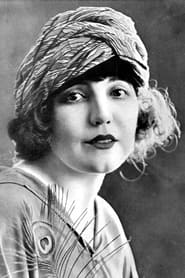
Louise Glaum
Actor
Born: September 4, 1888 in Baltimore, Maryland, USA Died: November 25, 1970 Active: 1912-1925
Films
7 films

About Louise Glaum
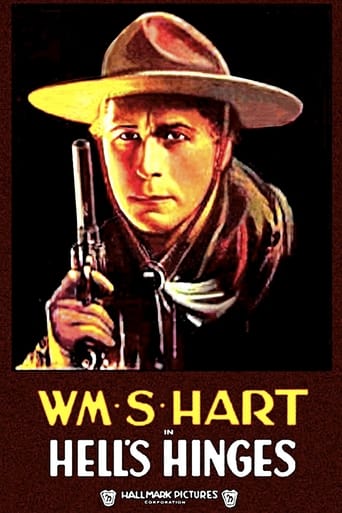
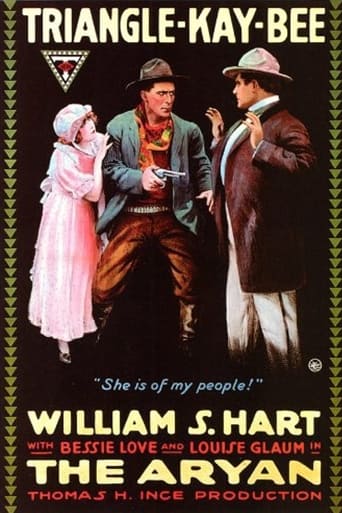
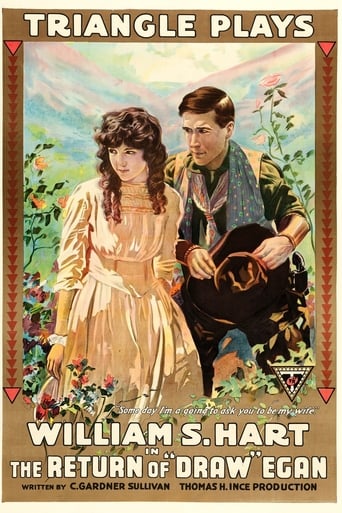
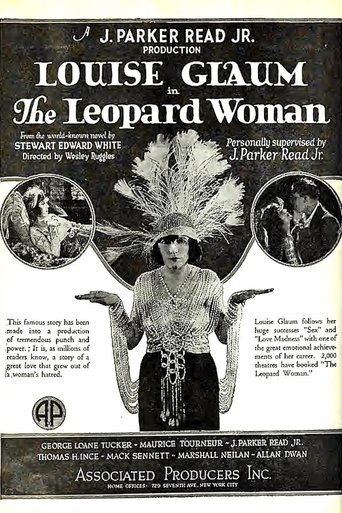
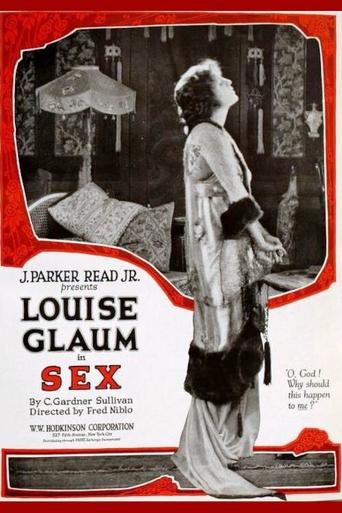
Prominent American silent film actress who rose to fame in the 1910s as one of cinema's earliest 'vamp' performers, specializing in seductive and dangerous female characters. Beginning her career on the stage, she transitioned to films in 1912 and quickly gained attention for her striking screen presence and ability to portray morally ambiguous women. Her breakthrough came through her collaborations with Western star William S. Hart in films like 'Hell's Hinges' (1916) and 'The Return of Draw Egan' (1916), where she often played the femme fatale who tempted the hero. Glaum reached the pinnacle of her fame at Triangle Film Corporation, where she starred in controversial films like 'Sex' (1920) and 'The Leopard Woman' (1920), which capitalized on her vamp image. Her career declined with the advent of sound pictures, and she made her last film in 1925 before retiring from acting. After leaving Hollywood, she briefly operated a theater and lived a quiet life away from the spotlight. Glaum's legacy as one of the silent era's most memorable vamps remains significant in film history, representing the era's fascination with dangerous female sexuality on screen.
The Craft
On Screen
Glaum was renowned for her intense, hypnotic screen presence and her ability to portray dangerous, seductive women with magnetic charisma. Her acting style was characterized by exaggerated gestures and dramatic facial expressions typical of the silent era, but she brought a unique sophistication and worldly intelligence to her vamp roles. Unlike some contemporaries who relied solely on exotic appearance, Glaum infused her characters with psychological complexity, making her villains both alluring and genuinely threatening to the moral order of the films.
Milestones
- Breakthrough role in 'The Devil' (1915) establishing her as a vamp actress
- Collaboration with William S. Hart in multiple Westerns including 'Hell's Hinges' (1916)
- Starring role in controversial film 'Sex' (1920) which caused significant public debate
- Leading lady at Triangle Film Corporation during its peak years
- Transition from stage actress to major film star in just a few years
Best Known For
Iconic Roles
Must-See Films
Accolades
Special Recognition
- Star on the Hollywood Walk of Fame (for contributions to motion pictures)
- Recognition in film histories as one of the silent era's most significant vamp actresses
Working Relationships
Worked Often With
Studios
Why They Matter
Impact on Culture
Louise Glaum played a significant role in establishing the 'vamp' archetype in early American cinema, helping to create and popularize the image of the dangerous, sexually assertive woman who threatened traditional moral values. Alongside contemporaries like Theda Bara and Thelma Todd, Glaum's performances reflected and influenced society's anxieties about changing gender roles and female sexuality in the 1910s and 1920s. Her film 'Sex' (1920) was particularly controversial, sparking debates about censorship and morality in cinema that would eventually lead to the Hays Code. Glaum's work contributed to the development of the femme fatale character type that would become a staple of film noir and other genres in later decades.
Lasting Legacy
Louise Glaum's legacy endures as one of the silent era's most memorable vamp actresses, representing a crucial period in cinema's exploration of female sexuality and moral ambiguity. Her performances helped establish visual and narrative conventions for portraying dangerous women that would influence filmmakers for generations. Film historians and scholars continue to study her work as an example of how early cinema reflected and shaped cultural attitudes toward women's changing roles in society. While many of her films have been lost, surviving works like 'Hell's Hinges' and 'The Return of Draw Egan' continue to be shown at silent film festivals and studied in film history courses.
Who They Inspired
Glaum influenced subsequent generations of actresses playing femme fatale roles, particularly in film noir where her legacy of the dangerous seductress was fully realized. Her portrayal of complex, morally ambiguous women helped expand the range of possibilities for female characters in American cinema, moving beyond the purely virtuous heroine. Directors and screenwriters who later worked in noir and psychological thrillers drew upon the character types and narrative situations that Glaum helped popularize. Her work demonstrated that audiences would respond to female characters who were neither purely good nor evil, but complex mixtures of both.
Off Screen
Louise Glaum was known for being relatively private about her personal life, especially compared to the scandalous characters she portrayed on screen. She married actor Harry Edwards in 1915, though the marriage ended in divorce. Later in life, she married Dr. H. W. Gahan and settled into a more conventional lifestyle away from Hollywood. Despite her on-screen reputation as a man-eater, contemporaries described her as intelligent, well-read, and quite proper in her personal conduct. After retiring from films, she briefly owned and operated the Louise Glaum Theater in Los Angeles before eventually leaving the entertainment industry entirely.
Education
Educated in Baltimore public schools; received additional training in dramatic arts through theater experience and early film work
Family
- Harry Edwards (1915-1918)
- Dr. H. W. Gahan (1928-1970, until his death)
Did You Know?
- She was nicknamed 'The Spider Woman' for her ability to trap men in her web of seduction on screen
- The film 'Sex' (1920) was considered so scandalous that it was banned in several cities
- Despite her vamp reputation, she was known to be quite religious in real life
- She began her career as a stage actress with traveling stock companies
- Her height of 5'7" was considered quite tall for actresses of her era
- Many of her films have been lost, a common fate for silent era productions
- She was one of the highest-paid actresses of the mid-1910s
- The controversy around 'Sex' (1920) actually boosted ticket sales, making it a box office success
- She was often typecast in similar roles, which limited her range but made her a star
- After retiring, she rarely gave interviews about her film career
In Their Own Words
I'm not a vamp in real life. I'm just an actress who plays vamps. There's a difference.
The public wants what the public wants, and apparently they want to see women who are dangerous.
Playing bad women is much more interesting than playing good ones. There's so much more to work with.
The camera doesn't lie, but it certainly can be fooled by a good actress.
Frequently Asked Questions
Who was Louise Glaum?
Prominent American silent film actress (1888-1970) who became famous for playing 'vamp' roles - seductive, dangerous women who tempted men. She was. Hart and starring in controversial films like 'Sex' (1920).
What films is Louise Glaum best known for?
Titles linked here include Hell's Hinges (1916), Sex (1920).
When was Louise Glaum born and when did she die?
Born September 4, 1888; died November 25, 1970.
What awards did Louise Glaum win?
While formal acting awards were rare during the silent era, Louise Glaum received a star on the Hollywood Walk of Fame for her contributions to motion pictures. She was also recognized in film histories as.
What was Louise Glaum's acting style?
Glaum was known for her intense, hypnotic screen presence and her ability to portray dangerous, seductive women with magnetic charisma. Her style featured the dramatic expressions typical of silent films, but she brought sophistication and psychological complexity to her vamp roles, making her characters both alluring and genuinely threatening.