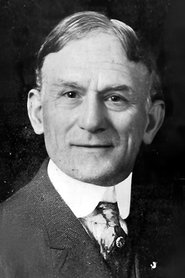
Jay Hunt
Director
Born: May 17, 1855 in Philadelphia, Pennsylvania, United States Died: November 18, 1932 Active: 1911-1928 Birth Name: James Hunt
Films
3 films
About Jay Hunt
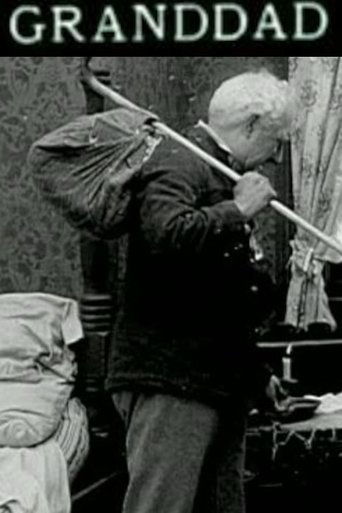
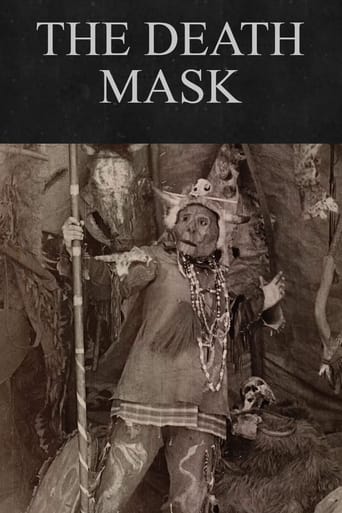
American film director and actor who emerged during the days of cinema in the early 1910s. Beginning his career as a director with the Thanhouser Company and other early film studios, he helmed numerous short silent films during the crucial transitional period when cinema was establishing its artistic language. His directing career, though brief and concentrated primarily between 1912-1914, included works like 'Granddad' (1913) and 'The Death Mask' (1914), which exemplified the storytelling techniques of early American cinema. Following his directorial period, Hunt transitioned successfully into a prolific character actor, appearing in over 150 silent films throughout the 1910s and 1920s. His acting career allowed him to work with some of the biggest stars and directors of the silent era, including appearances in films starring Douglas Fairbanks and Mary Pickford. Hunt's career trajectory from director to character actor was not uncommon in early Hollywood, as the industry rapidly evolved and specialized roles became more defined. His contributions spanned the crucial development years of American cinema, from the primitive one-reelers to the more sophisticated feature films of the 1920s.
The Craft
Behind the Camera
Hunt's directing style reflected the primitive techniques of early cinema, emphasizing clear visual storytelling, theatrical blocking, and the emerging language of film grammar during cinema's formative years
Milestones
- Directed 'Granddad' (1913)
- Directed 'The Death Mask' (1914)
- Transitioned to acting in 1914
- Appeared in over 150 silent films
- Worked with major silent era stars including Douglas Fairbanks and Mary Pickford
- Member of the early Thanhouser Company roster of filmmakers
Best Known For
Iconic Roles
Must-See Films
Accolades
Special Recognition
- Pioneer of American silent cinema
Working Relationships
Worked Often With
Studios
Why They Matter
Impact on Culture
Jay Hunt represents the generation of theater and stage-experienced performers who transitioned into the new medium of cinema during its formative years. His work as a director in 1913-1914 contributed to the development of American cinematic language during a crucial period when film was establishing itself as a distinct art form separate from theater. His subsequent career as a character actor demonstrated the growing specialization within the film industry, as directors increasingly focused solely on filmmaking while actors concentrated on performance. Hunt's filmography provides a valuable window into the evolution of American cinema from primitive one-reel shorts to more sophisticated feature-length productions.
Lasting Legacy
Though not as widely remembered as some of his contemporaries, Jay Hunt's career exemplifies the journey of many early film pioneers who helped establish Hollywood as the center of American cinema. His body of work, particularly his early directorial efforts, serves as important documentation of cinematic techniques and storytelling methods during the silent era's developmental phase. His transition from directing to acting mirrors the professional evolution of the film industry itself, as roles became more specialized and the medium grew more complex. Hunt's extensive filmography as a character actor provides a record of the types of supporting roles that were crucial to the narrative structure of silent films.
Who They Inspired
While specific documentation of Hunt's influence on other filmmakers is limited, his work as part of the Thanhouser Company contributed to the early development of American film grammar. His experience bridging both directing and acting roles may have influenced younger filmmakers who worked with him, demonstrating the interconnected nature of film production during the silent era. His longevity in the industry, spanning from the primitive early 1910s through the more sophisticated 1920s, made him a witness to and participant in the major developments in American cinema technique and style.
Off Screen
Jay Hunt was born James Hunt in Philadelphia in 1855, coming to cinema relatively late in life compared to many early film pioneers. He was already in his late 50s when he began his film career, bringing with him life experience that served him well in both directing and character roles. He spent his later years in Los Angeles, the heart of the burgeoning film industry, where he passed away in 1932 at the age of 77, having witnessed the birth and maturation of cinema from its primitive beginnings to the dawn of the sound era.
Education
Information not available in historical records, though likely had formal education given his birth year and career background
Family
- Information not available in historical records
Did You Know?
- Began his film career at age 56, making him one of the older pioneers of early cinema
- Directed films during the crucial transitional year of 1913 when American cinema was rapidly evolving
- Worked for the Thanhouser Company,
- Appeared in Douglas Fairbanks' early films before Fairbanks became a major star
- His active years covered the entire silent era, from its primitive beginnings to its artistic peak
- Transitioned from directing to acting as the film industry became more specialized
- Lived long enough to see the transition from silent films to talkies, though he didn't appear in sound films
- Was part of the generation of performers who brought theatrical experience to early cinema
- His birth in 1855 makes him one of the earliest-born figures in American film history
- Died in 1932, just as the Hollywood studio system was reaching its golden age
In Their Own Words
No documented quotes from Jay Hunt survive in historical records, which was common for character actors of his era
Frequently Asked Questions
Who was Jay Hunt?
American silent on YTB.my. He directed films in the early 1910s including 'Granddad' (1913) and 'The Death Mask' (1914), then transitioned to acting where he appeared in over 150 silent films throughout the 1910s and 1920s.
What films is Jay Hunt best known for?
Titles linked here include Granddad (1913), The Death Mask (1914).
When was Jay Hunt born and when did he die?
Born May 17, 1855; died November 18, 1932.
What awards did Jay Hunt win?
Jay Hunt did not receive any major documented awards during his career, which was common for many early film pioneers. His significance lies in his contributions to early American cinema during its formative years rather than formal recognition.
What was Jay Hunt's directing style?
Hunt's directing style reflected the primitive techniques of early cinema, emphasizing clear visual storytelling and theatrical blocking typical of the 1913-1914 period. His work represented the developing language of film grammar during cinema's crucial early years in America.