
The Soul of Youth
"victim of prenatal influence and an unloved childhood"
Keys: Space play/pause · ←/→ 10s · F fullscreen · M mute · </> speed
About this film
, Ed Simpson, victim of prenatal influence and an unloved childhood, is introduced into the orphanage where his liveliness has made him the butt of taunting orphans and menacing officials. Love first comes into his life when he acquires a dog, and when it is ousted he follows, taking to the streets with his pal Mike. Through cunning the two boys obtain incriminating evidence that keeps a rascally politician from office.
Cast & crew
More films like this
More Drama films
View all →







More from William Desmond Taylor
View all →

More about this film
About the production
Release dateMarch 21, 1920
ProductionFamous Players-Lasky Corporation, Paramount Pictures
Filmed inLos Angeles, California, Paramount Studios lot
The Soul of Youth was produced during the transition period when Paramount Pictures was establishing itself as a major studio. William Desmond Taylor, already an established director by 1920, brought his characteristic attention to social issues to this production. The film featured extensive location shooting in downtown Los Angeles to capture authentic urban street life, which was relatively uncommon for the era. The production utilized real newsboys and street children as extras to enhance the authenticity of the street scenes.
Themes
Redemption and second chancesThe impact of institutionalization on youthUrban poverty and street lifeThe nature vs. nurture debateSocial responsibility and reform
Themes & topics
orphanstreet kidjuvenile delinquencyadoptionsocial reformurban lifecourtroom dramaredemptionnewsboypoliticiansecond chancesinstitutional life
Historical background
The Soul of Youth (1920) emerged during the silent-film era., Ed Simpson, victim of prenatal influence and an unloved childhood, is introduced into the orphanage where his liveliness has made him the butt of taunting orphans and menacing officials. Archival records and catalog entries help place the work within film-history surveys of the period.
Why this film matters
Preserved under Wikidata ID Q3989391, The Soul of Youth is valued as a screen drama within catalog and archive collections. Wikipedia's "The Soul of Youth" entry connect it to broader histories of cinema exhibition and restoration.
Making of
The production of The Soul of Youth reflected William Desmond Taylor's growing interest in socially relevant cinema. Taylor, who had previously worked as a gold prospector and actor before becoming a director, brought a unique perspective to the material. The casting process was particularly thorough, with Taylor insisting on finding actors who could authentically portray the street-smart characters. Lewis Sargent was discovered after Taylor saw him in a small role in another film and was impressed by his naturalistic acting style. The film's street scenes were challenging to shoot, as Taylor insisted on filming in actual urban locations rather than on studio sets, requiring special permits and coordination with city authorities. The production team worked closely with local social service agencies to ensure accurate representation of the juvenile justice system. Lila Lee's involvement in the project was significant, as she was one of the few actresses of the era who had contractual approval over her projects and chose this film specifically because of its social message.
What critics said
Trade and archival sources offer limited day-one review coverage for The Soul of Youth. Modern reception rests on its availability in collections, repertory screenings, and reference works that document 1920 cinema.
Did you know?
- This film was one of the earliest to tackle the subject of juvenile delinquency and the orphanage system in American cinema.
- Director William Desmond Taylor was murdered just two years after this film's release, in 1922, in one of Hollywood's most famous unsolved crimes.
- Lewis Sargent, who played Ed, was actually a former newsboy himself before entering acting, bringing authentic experience to his role.
- The film was part of a series of social problem pictures that Paramount produced in the early 1920s to demonstrate cinema's educational potential.
- Lila Lee, who played the female lead, was one of Paramount's biggest stars at the time and was known as 'The Madonna of the Screen.'
- The film's original title was 'The Boy Who Wouldn't Stay Put' but was changed to 'The Soul of Youth' before release to sound more poetic.
- Ernest Butterworth Jr., who played Mike the newsboy, was only 12 years old during filming but already had over 20 film credits.
- The courtroom scenes were filmed on a set that was an exact replica of the Los Angeles juvenile court, adding to the film's realism.
- This film was considered quite progressive for its time in its sympathetic portrayal of troubled youth rather than condemning them.
- The film's success led to a wave of 'orphan pictures' throughout the 1920s, though few matched its social consciousness.
Visual style
The cinematography of The Soul of Youth, handled by Charles Rosher, employed a naturalistic style that was relatively innovative for its time. Rosher utilized extensive location photography in downtown Los Angeles, capturing authentic street scenes with a documentary-like quality that contrasted with the more artificial look of many studio-bound productions of the era. The film made effective use of natural lighting in exterior scenes, creating a gritty realism that enhanced the story's social commentary. The cinematography employed medium shots and close-ups to emphasize the emotional states of the characters, particularly the young protagonists, which was still a relatively new technique in 1920. The courtroom scenes used a static camera style that mirrored the formal proceedings, while the street sequences featured more dynamic camera movement to convey the chaos and energy of urban life. The visual contrast between the institutional orphanage, the chaotic streets, and the orderly politician's home was achieved through careful composition and lighting choices.
Innovations
The Soul of Youth employed several technical innovations that were relatively advanced for 1920. The film's extensive use of location shooting in urban environments was unusual for the period, when most productions were still primarily studio-bound. The production utilized early mobile camera equipment to capture street scenes with greater flexibility and movement than was typical. The film also made effective use of cross-cutting techniques to build tension during sequences showing parallel action in different locations. The lighting design, particularly in the street scenes, demonstrated sophisticated use of available light and artificial illumination to create atmospheric effects. The film's editing pace, while still following the slower rhythm of silent cinema, was more dynamic than many contemporary productions, particularly in the action sequences involving the newsboys.
Music
As a silent film, The Soul of Youth would have been accompanied by live musical performance during its original theatrical run. The typical score would have been compiled from various classical pieces and popular songs of the era, selected to match the emotional tone of each scene. Orchestras in larger theaters would have performed adaptations of works by composers like Chopin for emotional moments, while smaller venues might have used a pianist or organist. The street scenes likely featured more upbeat, ragtime-influenced music, while the orphanage sequences would have been accompanied by somber, melancholic pieces. No original score was composed specifically for the film, which was standard practice for productions of this period. Modern screenings of restored versions typically feature newly commissioned scores or compilations of period-appropriate music.
Famous quotes
Every kid deserves a chance to be somebody, even if he starts from nowhere." - Judge to the politician
The streets don't care if you're good or bad, they just care if you're smart enough to survive." - Mike to Ed
You can take the boy out of the streets, but can you take the streets out of the boy?" - Court observer
Institutional life teaches you to follow rules, but street life teaches you to break them." - Ed Simpson
A politician's heart is no different from any other man's - it just has more doors to open." - News commentary
Memorable scenes
- The opening sequence showing the chaotic orphanage dining hall, where Ed's rebellious nature is first established through his refusal to eat institutional food and his subsequent escape through a window.
- The montage of Ed's first night on the streets, intercutting his loneliness and fear with the bustling nightlife of the city, culminating in his chance meeting with Mike.
- The courtroom scene where the judge delivers his impassioned speech about youth rehabilitation, using close-ups to emphasize the emotional impact on both Ed and the politician.
- The newsboy training sequence where Mike teaches Ed the tricks of the trade, featuring authentic period newspaper sales techniques and street slang.
What audiences thought
The Soul of Youth performed well at the box office upon its release, particularly in urban areas where audiences could relate to its depiction of street life. Contemporary audience reports indicate that the film resonated strongly with working-class viewers and families who had experience with the juvenile system. Many reviews from the period mention that audiences were moved by the film's emotional core and its message of redemption. The film's success led to increased demand for similar 'problem pictures' from other studios. However, some rural audiences found the urban setting less relatable, and the film performed better in larger cities. The positive word-of-mouth from audiences helped sustain its run beyond the typical exhibition period of the era. Modern audiences who have seen the film through archival screenings have responded positively to its naturalistic acting style and surprisingly contemporary social commentary.
Film connections
Influenced by
- D.W. Griffith's social dramas
- Contemporary progressive reform literature
- Charles Dickens' novels about orphaned children
- Early documentary films about urban life
- Stage melodramas dealing with social issues
This film influenced
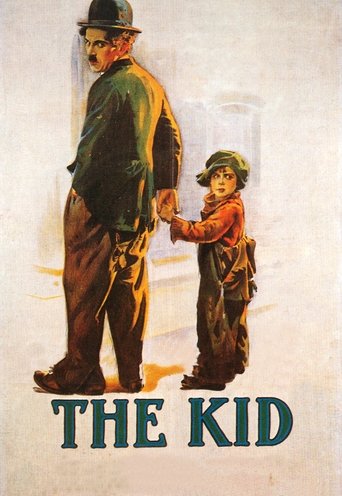
- The Kid (1921)
- Little Annie Rooney (1925)
- The Rag Man (1925)
- Street Angel (1928)
- The Champ (1931)
- Boys Town (1938)
Film restoration
The Soul of Youth is considered a partially lost film. While complete copies no longer exist in their original form, fragments and portions of the film survive in various archives. The Library of Congress holds approximately 20 minutes of footage, primarily from the first and third reels. The George Eastman Museum has additional fragments totaling about 10 minutes. Some scenes survive only in truncated form or as still photographs. The UCLA Film and Television Archive has been working to piece together the surviving elements, but a complete restoration has not been possible due to the incomplete nature of the surviving material. The film's status as partially lost makes it particularly valuable to film historians, as its surviving elements provide insight into early socially conscious American cinema and William Desmond Taylor's directorial style.
Where to watch
- The surviving fragments of The Soul of Youth are occasionally screened at silent film festivals and special archival presentations
- Some portions are available for viewing at the Library of Congress and George Eastman Museum archives by appointment
- Select clips have been included in documentary collections about silent cinema and William Desmond Taylor's career
- The film is not currently available on home video or streaming platforms due to its incomplete preservation status