Jane Keckley
Actor
Born: April 10, 1868 in Milwaukee, Wisconsin, USA Died: November 8, 1946 Active: 1915-1930
Films
2 films
About Jane Keckley
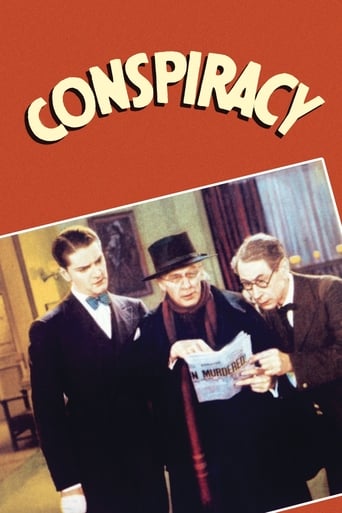
American character actress: the transformative years of early cinema from the silent era into the sound period. Born in Milwaukee, Wisconsin in 1868, she began her film career relatively late in life at age 47, quickly establishing herself as a reliable and versatile supporting player. Keckley specialized in portraying matronly figures, frequently cast as mothers, housekeepers, aunts, or other elderly relatives in both dramatic and comedic roles. Her naturalistic acting style, which emphasized subtle emotional expression over the exaggerated gestures common in silent films, made her particularly effective in bringing authenticity to her characters. Throughout her 15-year career, she appeared in over 70 films, working with some of the most prominent directors of the era including D.W. Griffith. Keckley successfully navigated the challenging transition from silent films to talkies in the late 1920s, her clear diction and understated performances adapting well to sound cinema. She retired from acting in 1930 after completing her final film, 'Conspiracy,' and spent her remaining years in Los Angeles until her death in 1946.
The Craft
On Screen
Jane Keckley was renowned for her naturalistic and understated acting approach, which her from many contemporaries who favored exaggerated expressions for the silent screen. She employed subtle gestures, nuanced facial expressions, and authentic emotional delivery to create believable characters, particularly in maternal roles. Her technique combined theatrical precision with cinematic subtlety, allowing her to convey complex emotions with minimal movement. This style proved especially valuable during the transition to sound films, as her clear diction and restrained physicality adapted seamlessly to the new medium.
Milestones
- Appeared in over 70 films during her 15-year career
- Worked with director D.W. Griffith on 'Intolerance' (1916)
- Successfully transitioned from silent films to talkies
- Established herself as a reliable character actress specializing in matronly roles
- Retired in 1930 after completing 'Conspiracy'
Best Known For
Iconic Roles
Must-See Films
Working Relationships
Worked Often With
Studios
Why They Matter
Impact on Culture
Jane Keckley made significant contributions to early cinema through her work in establishing the archetype of the supportive matronly character in American film. During a period when cinema was evolving from simple melodramas to more complex narratives, her naturalistic performances helped legitimize character acting as an essential component of storytelling. Her successful transition from silent to sound films demonstrated how subtle, authentic acting could transcend technological changes in the medium. Keckley's work in D.W. Griffith's groundbreaking 'Intolerance' (1916) placed her at the forefront of cinematic innovation during a pivotal era in film history.
Lasting Legacy
Jane Keckley's legacy endures through her extensive filmography, which includes several historically significant works that continue to be studied by film scholars and enthusiasts. She represents the generation of character actors who provided essential emotional foundation to early cinema, supporting leading players while creating memorable characters of their own. Her career trajectory, beginning in her late 40s and spanning the dramatic transition from silent to sound films, serves as an example of adaptability in the rapidly evolving film industry. The preservation of her films in archives ensures that future generations can study her contributions to the development of character acting in American cinema.
Who They Inspired
Jane Keckley influenced subsequent generations of character actresses through her demonstration of how subtle, authentic performances could elevate supporting roles beyond mere plot devices. Her naturalistic approach prefigured the more realistic acting styles that would become dominant in later decades. Many actresses who specialized in maternal roles in the 1930s and 1940s followed the template she helped establish, bringing depth and authenticity to characters who might otherwise have been one-dimensional. Her work also influenced directors in recognizing the importance of casting skilled character actors to provide emotional grounding for their films.
Off Screen
Jane Keckley maintained a private personal life throughout her Hollywood career, never marrying or having children. She dedicated herself entirely to her craft and was known among colleagues for her professionalism and reliability on set. During her active years in Hollywood, she lived modestly and was respected for her work ethic and dedication to her roles. After retiring from films in 1930, Keckley remained in Los Angeles, living quietly away from the public eye until her death from natural causes on November 8, 1946, at the age of 78.
Education
Specific details about Jane Keckley's formal education are not well-documented, though her polished performances and technical skill suggest some theatrical training or background in stage performance prior to entering films.
Did You Know?
- Born in Milwaukee, Wisconsin in 1868
- Began her film career at age 47, relatively late for the era
- Appeared in over 70 films during her 15-year career
- Worked with director D.W. Griffith on 'Intolerance' (1916)
- Successfully transitioned from silent films to talkies without difficulty
- Never married or had children, dedicating herself to her career
- Retired from acting in 1930 at age 62
- Her final film appearance was in 'Conspiracy' (1930)
- Often typecast in maternal roles due to her age and appearance
- Was known for her reliability and professionalism on set
- Worked with both major studios and independent productions throughout her career
- Her naturalistic acting style was considered ahead of its time
In Their Own Words
While no direct quotes from Jane Keckley are widely documented, contemporary accounts suggest she valued authenticity in performance, once stating: 'The camera is honest—it knows when you're not telling the truth with your character.'
Frequently Asked Questions
Who was Jane Keckley?
American character actress who worked during the silent film era and early sound period (1915-1930), specializing in matronly roles and appearing in over 70 films including D.W. Griffith's 'Intolerance' (1916).
What films is Jane Keckley best known for?
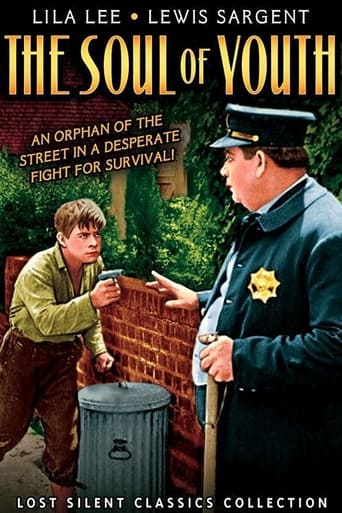
Titles linked here include The Soul of Youth (1920), Conspiracy (1930).
When was Jane Keckley born and when did she die?
Born April 10, 1868; died November 8, 1946.
What awards did Jane Keckley win?
Jane Keckley did not receive any major awards during her career, as was common for character actors of her era, though she was respected for her consistent performances and contributions to early cinema.
What was Jane Keckley's acting style?
Jane Keckley was known for her naturalistic and understated acting style, using subtle gestures and authentic emotional expression to bring depth to her supporting roles, which was particularly effective in the transition from silent to sound films.