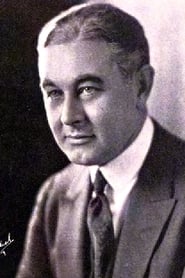
Clyde Fillmore
Actor
Born: September 25, 1870 in Wichita, Kansas, USA Died: December 19, 1938 Active: 1915-1934
Films
1 film
About Clyde Fillmore
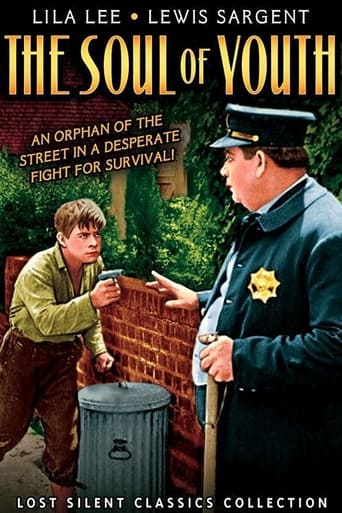
American character actor who graced the silver screen during the silent era and transitioned into early talkies. Born in Wichita, Kansas, he began his acting career on the stage before making his film debut in the mid-1910s. Fillmore established himself as a reliable supporting actor, often portraying authority figures, businessmen, and paternal characters with his appearance and commanding presence. His most notable appearance came in 1920's 'The Soul of Youth,' directed by William Desmond Taylor, where he demonstrated his ability to bring depth to supporting roles. Throughout the 1920s, he appeared in numerous silent films for various studios, working alongside many of the era's biggest stars. As the film industry transitioned to sound, Fillmore successfully adapted his craft and continued appearing in films throughout the early 1930s. His career, while never leading to stardom, was marked by consistency and professionalism, making him a familiar face to cinema audiences of the era. Fillmore retired from acting in the mid-1930s and passed away in 1938, leaving behind a legacy of memorable character performances.
The Craft
On Screen
Clyde Fillmore was known for his dignified and authoritative screen presence, often portraying respectable figures such as businessmen, judges, doctors, and paternal characters. His acting style was grounded and naturalistic for the era, relying on subtle facial expressions and measured gestures rather than the exaggerated pantomime sometimes associated with silent film acting. Fillmore had a particular talent for conveying wisdom and authority through his posture and delivery, making him a natural choice for roles requiring gravitas and respectability.
Milestones
- Film debut in the mid-1910s
- Notable role in 'The Soul of Youth' (1920)
- Successful transition from silent films to talkies
- Prolific character actor throughout the 1920s
- Appeared in over 50 films during his career
Best Known For
Iconic Roles
Must-See Films
Accolades
Special Recognition
- Recognized as one of Hollywood's most reliable character actors during the silent era
Working Relationships
Worked Often With
Studios
Why They Matter
Impact on Culture
Clyde Fillmore contributed to the golden age of silent cinema by providing reliable, professional performances that elevated the quality of numerous productions. As a character actor, he helped establish the importance of supporting roles in creating believable cinematic worlds. His ability to transition from silent films to talkies demonstrated the adaptability required of actors during this revolutionary period in film history. Fillmore's work exemplified the craft of character acting in early Hollywood, showing how distinctive supporting performances could enhance the overall impact of films.
Lasting Legacy
While not a major star, Clyde Fillmore's legacy lies in his contributions as a dependable character actor who appeared in dozens of films during Hollywood's formative years. His career represents the journey of many working actors of the silent era who provided the backbone of film productions. His successful transition to sound films serves as an example of the adaptability required during this technological revolution in cinema. Film historians recognize Fillmore as part of the essential corps of character actors who made silent and early sound films more authentic and compelling.
Who They Inspired
Fillmore influenced subsequent generations of character actors by demonstrating the value of consistency and professionalism in supporting roles. His naturalistic acting style, particularly his ability to convey authority and respectability without overacting, provided a model for character actors in sound films. While he didn't mentor specific actors who became famous, his work contributed to the development of character acting as a respected craft in Hollywood.
Off Screen
Clyde Fillmore married actress Edith Boree, who was also active in films during the silent era. Their marriage was one of the many Hollywood unions of the period, with both spouses working in the same industry. The couple had one child together. Fillmore was known in Hollywood circles as a professional and dependable actor who maintained a respectable personal image throughout his career. After retiring from acting, he lived a relatively quiet life away from the public eye until his death in 1938 at the age of 68.
Education
Limited information available about his formal education, though he likely received theatrical training given his stage background before entering films
Family
- Edith Boree (1915-1938)
Did You Know?
- Began his career as a stage actor before transitioning to films
- Appeared in over 50 films during his nearly two-decade career
- Was particularly typecast as authority figures due to his dignified appearance
- Successfully made the transition from silent films to talkies
- His wife Edith Boree was also a working actress during the silent era
- Often worked without screen credit in his early film roles
- Was considered one of Hollywood's most reliable supporting actors during the 1920s
- His film active years covered the entire transition from silent to sound cinema
- Worked with many of the era's biggest stars, though usually in supporting capacities
- Retired from acting in the mid-1930s, a few years before his death
In Their Own Words
While specific quotes from Clyde Fillmore are not widely documented, his characters often delivered lines emphasizing wisdom, authority, and moral guidance, reflecting the dignified personas he portrayed on screen.
Frequently Asked Questions
Who was Clyde Fillmore?
American character with credits in this catalog.
What films is Clyde Fillmore best known for?
Titles linked here include The Soul of Youth (1920), The Hottentot (1922).
When was Clyde Fillmore born and when did he die?
Born September 25, 1870; died December 19, 1938.
What awards did Clyde Fillmore win?
Clyde Fillmore did not receive major formal awards during his career, though he was recognized in Hollywood as.
What was Clyde Fillmore's acting style?
Fillmore was known for his dignified, naturalistic acting style, often portraying authority figures with a grounded presence that relied on subtle expressions rather than the exaggerated gestures common in silent films.