Lila Lee
Actor
Born: July 25, 1901 in New York City, New York, USA Died: November 13, 1973 Active: 1918-1947 Birth Name: Augusta Wilhelmena Fredericka Appel
Films
7 films


About Lila Lee
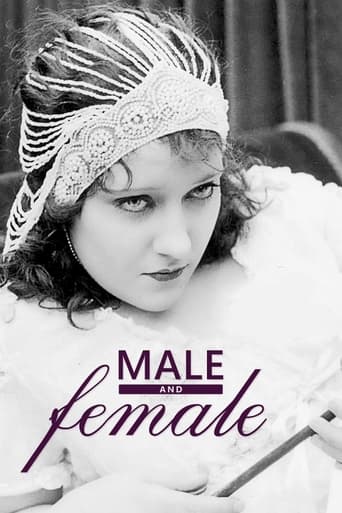
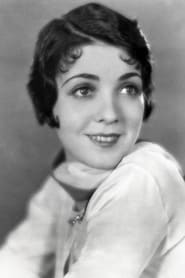
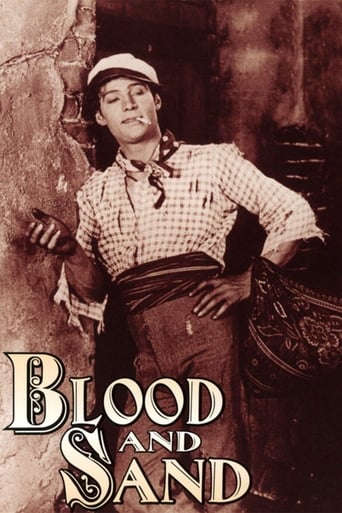
Lila Lee, born Augusta Wilhelmena Fredericka Appel, was a prominent American actress who rose to fame during the silent film era and successfully transitioned to talkies. Discovered by film pioneer D.W. Griffith at age 14 while modeling for candy advertisements, she quickly became a star at Paramount Pictures. Her breakthrough role came in 1919's 'Male and Female' directed by Cecil B. DeMille, establishing her as a leading lady. Lee reached the pinnacle of her fame starring opposite Rudolph Valentino in the 1922 blockbuster 'Blood and Sand,' where her performance as the seductive Carmen captivated audiences worldwide. Throughout the 1920s, she appeared in numerous successful films and was named one of the WAMPAS Baby Stars of 1922. Unlike many silent stars, Lee successfully navigated the transition to sound films, continuing her career through the 1930s and 1940s. Her nearly three decades, encompassing over 60 films before her retirement in 1947, making her one of the more enduring actresses of her generation.
The Craft
On Screen
Lila Lee was known for her natural and emotive acting style that perfectly suited both silent and sound films. In silent cinema, she excelled at conveying complex emotions through expressive eyes and subtle facial movements, particularly in romantic and dramatic roles. Her screen presence was both delicate and powerful, allowing her to portray vulnerable ingenues as well as strong-willed characters. With the advent of sound, her clear diction and pleasant speaking voice helped her maintain her stardom. Lee specialized in playing the romantic lead but demonstrated versatility in comedy and drama, often bringing a sense of authenticity and relatability to her characters that resonated with audiences.
Milestones
- Discovered by D.W. Griffith at age 14
- Breakthrough role in 'Male and Female' (1919)
- Starred opposite Rudolph Valentino in 'Blood and Sand' (1922)
- Named WAMPAS Baby Star of 1922
- Successfully transitioned from silent films to talkies
- Appeared in the all-star extravaganza 'The Show of Shows' (1929)
- Active years covered nearly three decades with over 60 films
Best Known For
Iconic Roles
Must-See Films
Accolades
Won
- WAMPAS Baby Star (1922)
Special Recognition
- Hollywood Walk of Fame Star (6201 Hollywood Blvd)
Working Relationships
Worked Often With
Studios
Why They Matter
Impact on Culture
Lila Lee represented the quintessential Hollywood star of the 1920s, embodying the glamour and sophistication that defined the era. Her success in both silent and sound films demonstrated the adaptability required of actors during Hollywood's technological revolution. As one of Rudolph Valentino's leading ladies, she became part of cinematic history through her work in 'Blood and Sand,'. Lee's career longevity and consistent popularity made her a role model for aspiring actresses during Hollywood's golden age. Her films continue to be studied and appreciated by film historians and classic cinema enthusiasts, serving as important examples of 1920s Hollywood glamour and storytelling.
Lasting Legacy
Lila Lee's legacy endures through her significant contributions to American cinema during its formative years. As a prominent figure in both silent and early sound films, she represents the bridge between two distinct eras of filmmaking. Her body of work, particularly her collaborations with legendary directors and stars, remains an important part of film history. The artistic legacy continued through her son James Kirkwood Jr., whose theatrical achievements brought honor to the family name. Lee's star on the Hollywood Walk of Fame ensures her permanent place among Hollywood's most celebrated figures. Classic film festivals and archives regularly showcase her work, introducing new generations to her talent and the artistry of early Hollywood cinema.
Who They Inspired
Lila Lee influenced subsequent generations of actors through her demonstration of how to successfully navigate the challenging transition from silent to sound films. Her natural acting style and emotional authenticity set a standard for film performance that resonated with audiences and critics alike. As one of the few silent stars to maintain her career into the sound era, she provided a template for adaptability and professionalism in an industry undergoing massive technological change. Her work with directors like Cecil B. DeMille helped establish conventions for cinematic romance and drama that would influence filmmakers for decades. Lee's career demonstrated the importance of versatility and continuous learning in the entertainment industry, lessons that remain relevant for performers today.
Off Screen
Lila Lee married actor James Kirkwood Sr. In 1923, with whom she had one son, James Kirkwood Jr., who would become a Pulitzer Prize-winning playwright and author. The marriage ended in divorce in 1931. She later married broker John E. Murphy in 1934, but this marriage also ended in divorce in 1944. Despite the challenges in her personal life, Lee maintained a close relationship with her son, who achieved great success co-writing the book for the musical 'A Chorus Line.' In her later years, Lee largely withdrew from public life and spent her time in Saranac Lake, New York, where she passed away from a stroke at age 72.
Education
Attended public schools in New York City, received early training in dance and music
Family
- James Kirkwood Sr. (1923-1931)
- John E. Murphy (1934-1944)
Did You Know?
- Was discovered by D.W. Griffith at age 14 while modeling for candy advertisements
- Was one of the WAMPAS Baby Stars of 1922, an annual selection of promising young actresses
- Her distinctive beauty mark above her lip became her trademark
- Was a popular pin-up girl during World War I
- Successfully transitioned from silent films to talkies, unlike many of her contemporaries
- Her son James Kirkwood Jr. Won a Pulitzer Prize for co-writing 'A Chorus Line'
- Appeared in over 60 films during her nearly 30-year career
- Was friends with many Hollywood legends including Clara Bow and Gloria Swanson
- Made a brief comeback in the 1950s with television appearances
- Was known for her professionalism and reliability on set, rarely causing production delays
In Their Own Words
The transition from silent to sound pictures was difficult for many of us, but I was determined to make it work. Acting is acting, whether you have words or not.
Working with Valentino was a dream - he was a true gentleman and a wonderful actor who taught me so much about screen presence.
Hollywood in the twenties was magical. We were creating something new, something that had never existed before. Every day was an adventure.
Frequently Asked Questions
Who was Lila Lee?
Prominent American actress of the silent film era and early talkies, best known for her roles opposite Rudolph Valentino in 'Blood and Sand' and her work with Paramount Pictures during the 1920s. Born Augusta Wilhelmena Fredericka Appel in 1901, she was discovered by D.W. Griffith and enjoyed a career spanning nearly three decades.
What films is Lila Lee best known for?
Titles linked here include Blood and Sand (1922), Male and Female (1919).
When was Lila Lee born and when did she die?
Born July 25, 1901; died November 13, 1973.
What awards did Lila Lee win?
Lila Lee was named one of the WAMPAS Baby Stars of 1922, an honor given to promising young actresses. She also received a star on the Hollywood Walk of Fame at 6201 Hollywood Blvd, recognizing her contributions to American cinema.
What was Lila Lee's acting style?
Lila Lee was known for her natural and emotive acting style that worked effectively in both silent and sound films. She excelled at conveying complex emotions through subtle expressions and had a screen presence that was both delicate and powerful, making her particularly effective in romantic and dramatic roles.
How did Lila Lee transition from silent to sound films?
Lila Lee successfully transitioned from silent to sound films unlike many of her contemporaries, thanks to her clear diction, pleasant speaking voice, and adaptable acting style. She appeared in 'The Show of Shows' (1929) and 'Flight' (1929), two of her early sound films, and continued working steadily through the 1930s and 1940s.
Was Lila Lee married and did she have children?
Lila Lee was married twice: first to actor James Kirkwood Sr. From 1923 to 1931, and later to broker John E. Murphy from 1934 to 1944. She had one son, James Kirkwood Jr., who became a successful playwright and author, winning a Pulitzer Prize for co-writing the musical 'A Chorus Line'.