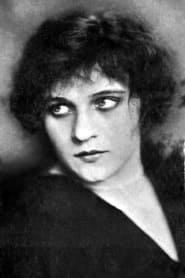
Betty Schade
Actor
Born: March 27, 1895 in Geestemünde, Germany (now Bremerhaven) Died: January 27, 1982 Active: 1913-1921
Films
2 films
About Betty Schade
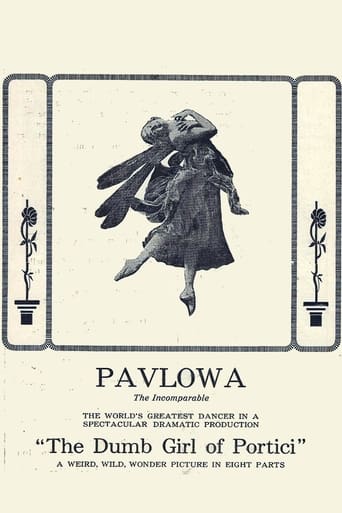
Made her mark in silent cinema during the 1910s and early 1920s. Born in Germany, she emigrated to the United States and began her film career around 1913, appearing in numerous short films and features for various studios. She worked with notable directors of the era and appeared in significant productions including 'The Dumb Girl of Portici' (1916), directed by female filmmaker Lois Weber and featuring the Russian ballerina Anna Pavlova. Her approximately eight years, during which she appeared in around 50 films, often in supporting roles that showcased her versatility as an actress. She married prominent director Rex Ingram in 1917, which positioned her within influential Hollywood circles of the time. Following her divorce from Ingram in 1923, she gradually stepped away from acting, with her last film appearances occurring in the early 1920s. After retiring from the film industry, she lived a private life in Los Angeles until her death in 1982, having witnessed the dramatic transformation of cinema from silent films to the modern era.
The Craft
On Screen
Betty Schade embodied the expressive style characteristic of silent film actors, using exaggerated gestures and facial expressions to convey emotion without dialogue. Her performances were noted for their emotional depth and ability to communicate complex feelings through physical acting alone. As was common in the era, she adapted her acting technique to the limitations and opportunities of silent cinema, often playing supporting roles that required nuanced character development through visual storytelling.
Milestones
- Appeared in 'The Dumb Girl of Portici' (1916) directed by Lois Weber
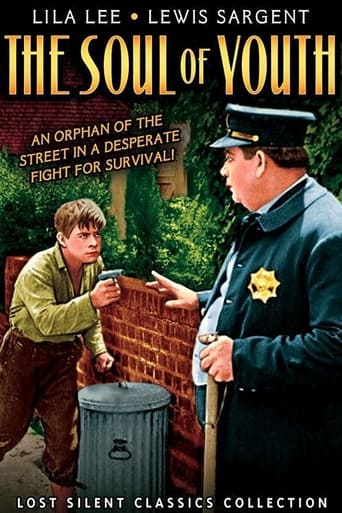
- Starred in 'The Soul of Youth' (1920)
- Worked with director Rex Ingram
- Appeared in approximately 50 silent films
- Transitioned from European cinema to Hollywood during the silent era
Best Known For
Iconic Roles
Must-See Films
Working Relationships
Worked Often With
Studios
Why They Matter
Impact on Culture
Betty Schade represents the transitional generation of European actresses who helped shape early Hollywood cinema during the silent era. Her work in films like 'The Dumb Girl of Portici' contributed to the artistic elevation of American cinema, particularly through collaborations with female director Lois Weber. As a German immigrant in early Hollywood, she was part of the diverse international talent pool that transformed American cinema into a global cultural force. Her career trajectory, from European cinema to Hollywood and eventual retirement, reflects the typical path of many supporting actors of the silent era who contributed significantly to film history despite not achieving lasting fame.
Lasting Legacy
Betty Schade's legacy lies primarily in her contribution to the silent film era and her work with influential directors who shaped early Hollywood cinema. While she did not achieve the lasting fame of some of her contemporaries, her performances in surviving silent films provide valuable insight into the acting techniques and artistic values of the period. Her marriage to Rex Ingram places her within an important network of early Hollywood filmmakers, and her work with female director Lois Weber makes her part of an important chapter in women's contributions to cinema history. Her filmography serves as documentation of the transition from European cinematic traditions to the emerging Hollywood style.
Who They Inspired
As a supporting actress rather than a leading star, Betty Schade's direct influence on subsequent generations of actors is difficult to trace. However, her work in silent films contributed to the development of cinematic acting techniques that would later influence talkies and modern film performance. Through her collaborations with innovative directors, she participated in the evolution of film language and storytelling methods that would become standard in cinema. Her career represents the important contributions of countless supporting actors who, while not achieving individual fame, collectively shaped the art of film acting.
Off Screen
Betty Schade's personal life was marked by her marriage to director Rex Ingram,. The couple married in 1917, during the height of her acting career and Ingram's rise as a prominent director in Hollywood. Their marriage placed her at the center of influential artistic circles in early Hollywood. However, the relationship ended in divorce in 1923, which coincided with her gradual retreat from acting. After her divorce, Schade largely withdrew from public life and the entertainment industry, choosing to live privately in Los Angeles for the remainder of her life.
Family
- Rex Ingram (1917-1923)
Did You Know?
- Born in Germany and emigrated to the United States to pursue an acting career
- Appeared in approximately 50 silent films during her eight-year career
- Worked with female director Lois Weber on 'The Dumb Girl of Portici'
- Was married to prominent director Rex Ingram during his most productive period
- Appeared with legendary Russian ballerina Anna Pavlova in 'The Dumb Girl of Portici'
- Retired from acting shortly after her divorce from Rex Ingram
- Lived for nearly 60 years after leaving the film industry
- Her birthplace Geestemünde is now part of Bremerhaven, Germany
- Worked during the transitional period when Hollywood was establishing itself as the global center of cinema
- Her film career coincided with World War I, which affected many European actors working in America
Frequently Asked Questions
Who was Betty Schade?
German-American actress who worked in silent films during the 1910s and early 1920s. She appeared in approximately 50 films and worked with notable directors including Lois Weber and Rex Ingram, to whom she was married from 1917 to 1923.
What films is Betty Schade best known for?
Titles linked here include The Dumb Girl of Portici (1916), The Soul of Youth (1920).
When was Betty Schade born and when did she die?
Born March 27, 1895; died January 27, 1982.
What awards did Betty Schade win?
There are no records of Betty Schade receiving major film awards or nominations during her career, which was common for many supporting actors in the silent era before the establishment of formal award ceremonies like the Academy Awards.
What was Betty Schade's acting style?
Betty Schade employed the expressive physical acting style typical of silent film performers, using exaggerated gestures and facial expressions to convey emotion. Her performances were characterized by emotional depth and the ability to communicate complex feelings through visual storytelling without dialogue.
How was Betty Schade connected to Rex Ingram?
Betty Schade was married to director Rex Ingram from 1917 until their divorce in 1923. This marriage placed her within influential Hollywood circles during the peak years of her acting career and Ingram's rise as a prominent director.
Why did Betty Schade retire from acting?
Betty Schade gradually retired from acting in the early 1920s, shortly after her divorce from Rex Ingram in 1923. While the exact reasons are not documented, this timing suggests her departure from the industry may have been related to the end of her marriage and the changing nature of Hollywood as it transitioned from silent to sound films.