Films
1 film
About Carl Goetz
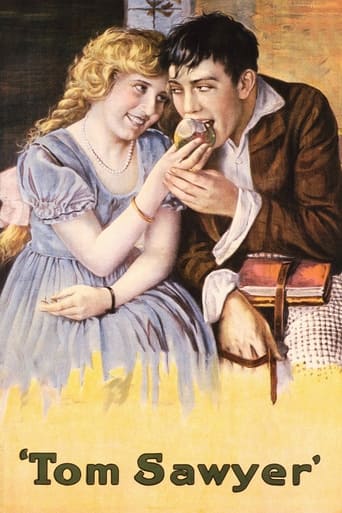
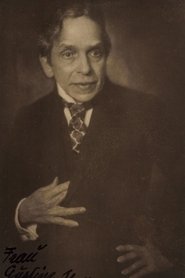
American actor who had a brief but notable appearance in the silent film era, specifically in the 1917 adaptation of Mark Twain's classic novel 'Tom Sawyer.' His career appears to have been extremely short-lived, with film records indicating activity only during the year 1917. Like many actors of the early silent period, Goetz was likely part of the growing film industry that was transitioning from short films to feature-length productions. His role in 'Tom Sawyer' places him among the early pioneers of cinema who helped bring literary classics to the silver screen during a transformative period in American filmmaking. Unfortunately, detailed records about his life, training, or career trajectory beyond this single film credit have been lost to history, which was common for many supporting actors of this era who did not achieve lasting fame.
The Craft
Milestones
- Appeared in the 1917 film adaptation of 'Tom Sawyer'
Best Known For
Iconic Roles
Must-See Films
Why They Matter
Impact on Culture
Carl Goetz represents the countless anonymous actors who contributed to the foundation of American cinema during its formative years. His participation in the 1917 'Tom Sawyer' adaptation places him within the important tradition of bringing classic literature to the screen, a practice that would become increasingly important as cinema evolved into a respected art form. While his individual contribution may seem minor, actors like Goetz were essential building blocks in the development of narrative filmmaking, helping establish the techniques and conventions that would define cinema for decades to come.
Lasting Legacy
Carl Goetz's legacy is primarily as a representative example of the many early film actors whose contributions have been largely forgotten by time but were nonetheless crucial to cinema's development. His appearance in a 1917 literary adaptation places him within an important historical context, as this was a period when filmmakers were first discovering how to translate beloved books to the screen. While he may not have achieved lasting fame, his work is part of the early American cinema that laid the groundwork for the golden age of Hollywood.
Who They Inspired
Due to the brief nature of his career and the lack of extensive documentation about his work, Carl Goetz's direct influence on subsequent generations of actors and filmmakers cannot be definitively traced. However, like all actors of this era, he contributed to the development of screen acting techniques during a crucial transitional period in cinema history.
Off Screen
Very little is known about Carl Goetz's personal life, as was common for many supporting actors in the early silent film era who did not achieve lasting fame. Detailed biographical records from this period were often incomplete, especially for actors who had brief careers.
Did You Know?
- Carl Goetz's entire known film career consists of a single year - 1917
- The 1917 'Tom Sawyer' film was one of the earliest adaptations of Mark Twain's famous novel
- Many actors from the silent era with brief careers like Goetz have incomplete biographical records
- The 1917 version of 'Tom Sawyer' was produced during World War I, a pivotal time in global cinema
- Early film actors often worked under contracts that gave them little recognition or credit preservation
Frequently Asked Questions
Who was Carl Goetz?
Screen credits include the 1917 adaptation of 'Tom Sawyer.' His career appears to have been extremely brief, with film records indicating he was only active in 1917.
What films is Carl Goetz best known for?
Titles linked here include Tom Sawyer (1917).
When was Carl Goetz born and when did he die?
Specific birth and death dates for Carl Goetz are not available in historical records, which was common for many supporting actors from the early silent film era.
What awards did Carl Goetz win?
There are no records of Carl Goetz receiving any major awards or nominations, which was typical for actors with brief careers in the early silent period.
What was Carl Goetz's acting style?
Due to the lack of extensive documentation about his work and the loss of many films from this era, Carl Goetz's specific acting style cannot be definitively determined.