
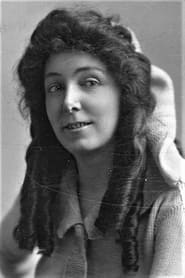
Edythe Chapman
Actor
Born: October 8, 1863 in Rochester, New York, USA Died: October 15, 1948 Active: 1885-1930
Films
14 films
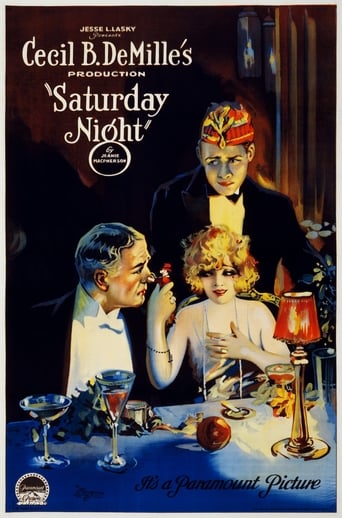
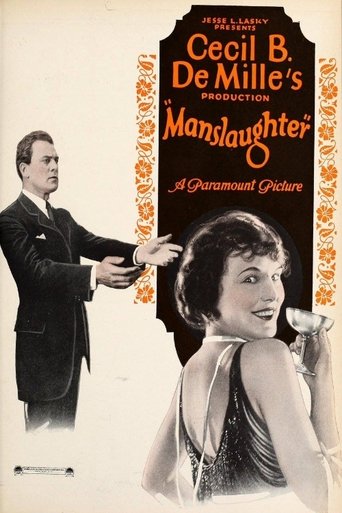
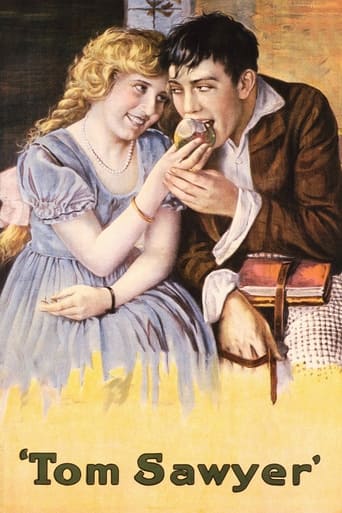
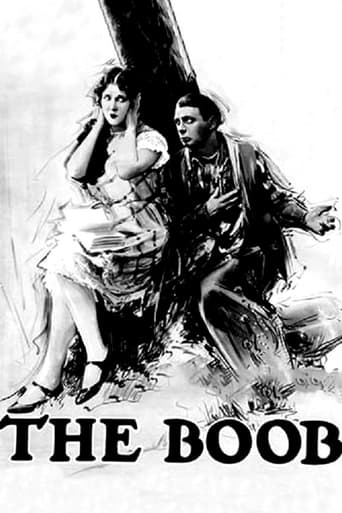
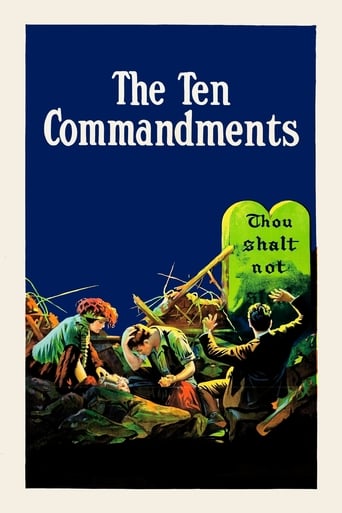
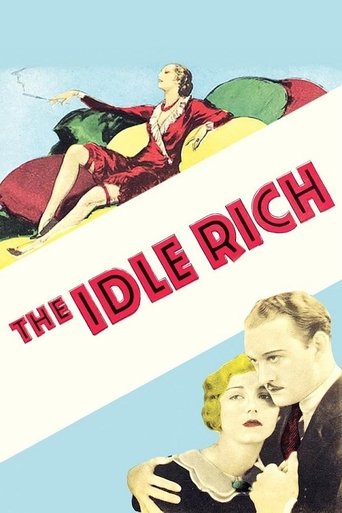
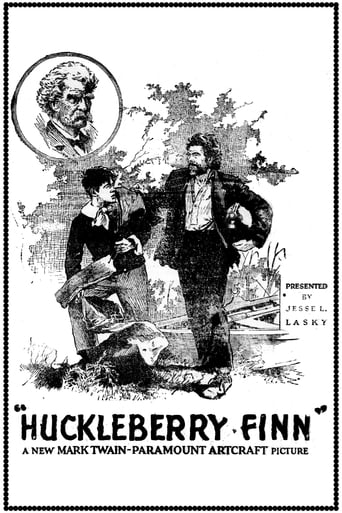
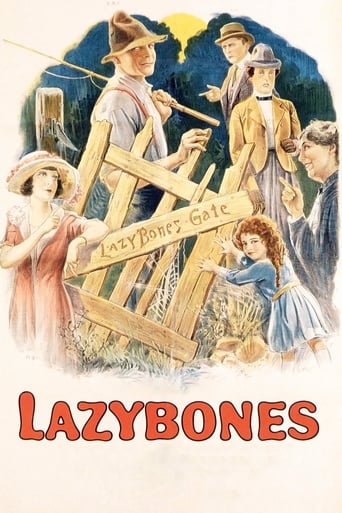
About Edythe Chapman
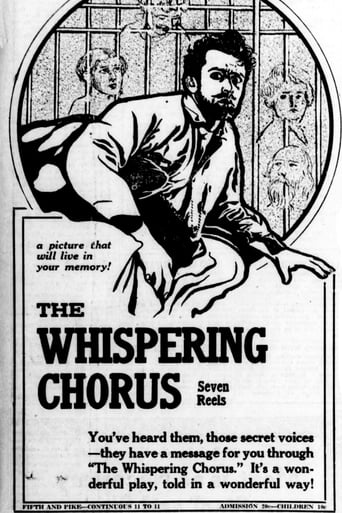
American actress who began her career on the legitimate stage in the late 19th century before successfully transitioning to silent films in the 1910s. Born in Rochester, New York, she established herself as a respected character actress known for her maternal roles and dignified presence. Chapman worked extensively with prominent directors of the silent era, particularly Cecil B. DeMille, appearing in several of his early films including 'The Whispering Chorus' (1918). Her stage background provided her with the dramatic foundation needed for the expressive acting style required in silent cinema. Throughout her film career, she specialized in playing mothers, grandmothers, and other matriarchal figures, bringing warmth and authenticity to these roles. Chapman continued acting through the transition to sound films, though her screen appearances became less frequent in the early 1930s. Her over four decades, from her stage debut in the 1880s through her final film appearances in the early sound era, making her a bridge between Victorian theater and modern cinema.
The Craft
On Screen
Chapman's acting style was rooted in her extensive stage training, characterized by dignified, naturalistic performances that brought authenticity to maternal roles. She possessed a commanding screen presence that allowed her to convey deep emotion through subtle gestures and expressions, perfectly suited for the silent era. Her approach was less melodramatic than many of her contemporaries, instead favoring a more restrained and realistic portrayal of character emotions. Chapman had the rare ability to project warmth and authority simultaneously, making her particularly effective in matriarchal roles. Her transition to sound was seamless due to her clear diction and theatrical training, allowing her to adapt her expressive style to the new medium without losing the emotional depth that characterized her silent work.
Milestones
- Stage debut in the 1880s in legitimate theater productions
- Transition to silent films in the 1910s with Paramount Pictures
- Regular collaboration with director Cecil B. DeMille
- Memorable role as Aunt Polly in 'Tom Sawyer' (1917)
- Performance in 'The Whispering Chorus' (1918), considered one of DeMille's early masterpieces
- Successful transition to sound films in the late 1920s
- Career spanning over four decades across stage and screen
Best Known For
Iconic Roles
Must-See Films
Accolades
Special Recognition
- Recognized as
- Honored by film historians for her contributions to early American cinema
- Featured in retrospective screenings of silent film classics
Working Relationships
Worked Often With
Studios
Why They Matter
Impact on Culture
Edythe Chapman played a significant role in the transition from Victorian stage acting to modern cinema, serving as a bridge between theatrical traditions and the emerging art of film. Her dignified portrayals of maternal figures helped establish the archetype of the wise, loving mother in American cinema, a character type that would become a staple in Hollywood films for decades. Chapman's work with directors like Cecil B. DeMille contributed to the development of narrative film techniques and the evolution of screen acting. Her success demonstrated that experienced stage actors could bring depth and credibility to the new medium of film, encouraging other theater professionals to make the transition to cinema. Her performances in early classics helped establish emotional authenticity as a key component of effective film acting, moving away from the exaggerated gestures common in early cinema toward more naturalistic expression.
Lasting Legacy
Edythe Chapman's legacy lies in her contributions to establishing the character actress as an essential element of American cinema, particularly in the creation of believable maternal figures on screen. Her work helped prove that older actresses could have vital, meaningful careers in Hollywood, paving the way for future generations of character actresses. Chapman's performances in silent classics remain valuable examples of how theatrical training could be adapted to the unique demands of film acting. Her collaborations with Cecil B. DeMille are studied by film historians as examples of early director-actor relationships that shaped American cinema. Though not as widely remembered as leading stars of her era, Chapman's body of work represents an important chapter in the development of screen acting and the establishment of character archetypes that would influence Hollywood storytelling for decades to come.
Who They Inspired
Chapman influenced subsequent generations of character actresses by demonstrating that supporting roles could be both artistically fulfilling and essential to a film's success. Her naturalistic style helped move screen acting away from theatrical exaggeration toward more subtle, emotionally truthful performances. Younger actors who worked with her benefited from her professional approach and her ability to convey deep emotion with minimal gestures, a skill particularly valuable in silent cinema. Her success in playing maternal roles helped establish the importance of family dynamics in American film narratives, influencing how directors approached casting and character development in subsequent decades. Chapman's career longevity and adaptability served as a model for actors navigating the transition from silent films to sound, proving that experienced performers could successfully evolve with changing technology and audience expectations.
Off Screen
Edythe Chapman was known for her professionalism and dedication to her craft, maintaining a relatively private personal life despite her public career. She never married and devoted her life entirely to her acting career, which was somewhat unusual for women of her era. Chapman lived in Los Angeles during her film career and was known among colleagues as a gracious and supportive presence on set. She maintained close friendships with many of her fellow actors and directors from both stage and film. In her later years, she retired from acting and lived quietly in California until her death at age 85. Her commitment to her art and her dignified personal conduct made her a respected figure in the entertainment industry throughout her long career.
Education
Educated in Rochester, New York; received theatrical training through apprenticeships in stock theater companies
Did You Know?
- Chapman began her stage career at age 22 in the 1880s, making her a veteran performer before she ever appeared in films
- She was over 50 years old when she began her film career, unusual for the time when most film actors were younger
- Chapman never married, dedicating her entire life to her acting career across both stage and screen
- She worked with Cecil B. DeMille on multiple occasions, becoming one of his trusted character actresses
- Her role as Aunt Polly in 'Tom Sawyer' (1917) was
- Chapman successfully made the transition to sound films, unlike many silent-era actors
- She was known for her photographic memory, rarely forgetting lines or stage directions
- Chapman often played characters significantly older than her actual age, proof of her acting skill
- She maintained her stage career even after entering films, performing in theatrical productions during film hiatuses
- Chapman was one of the few actresses from the 19th-century stage to have a significant film career in the 20th century
In Their Own Words
The stage teaches you discipline, but film teaches you subtlety. I was fortunate to learn both.
Playing mothers and grandmothers never felt like typecasting to me. Every mother has a different story to tell.
In silent pictures, your eyes must do what your voice cannot. It's the most honest form of acting.
Working with Mr. DeMille was like attending a master class in filmmaking every day.
Frequently Asked Questions
Who was Edythe Chapman?
American actress who had a career spanning from the Victorian stage era through silent films and into early talkies. Born in 1863, she began her career in theater before transitioning to cinema in her 50s, where she became known for her maternal roles and collaborations with director Cecil B. DeMille.
What films is Edythe Chapman best known for?
Titles linked here include Tom Sawyer (1917), The Whispering Chorus (1918).
When was Edythe Chapman born and when did she die?
Born October 8, 1863; died October 15, 1948.
What was Edythe Chapman's acting style?
Chapman's acting style was rooted in her theatrical training, characterized by dignified and naturalistic performances. She excelled at conveying deep emotion through subtle expressions and gestures, making her particularly effective in the silent era where facial expression was paramount to storytelling.
Did Edythe Chapman win any awards?
While Edythe Chapman did not receive formal awards during her career, she was recognized by film historians and contemporaries as. Her contributions to early American cinema have been acknowledged in retrospective screenings and film history studies.
How did Edythe Chapman transition from stage to film?
Chapman successfully transitioned from stage to film in her 50s, bringing with her the discipline and technique learned from decades of theatrical experience. Her stage training provided her with the foundation needed for the expressive acting style required in silent cinema, and she adapted well to the new medium's technical demands.
What was Edythe Chapman's legacy in cinema?
Chapman's legacy lies in establishing the importance of character actresses in American cinema and demonstrating how experienced stage performers could successfully adapt to film. Her portrayals of maternal figures helped create enduring character archetypes in Hollywood, and her career longevity showed that actors could successfully navigate the transition from silent films to sound.