
Manslaughter
"Speed kills — love pays the price"
Keys: Space play/pause · ←/→ 10s · F fullscreen · M mute · </> speed
About this film
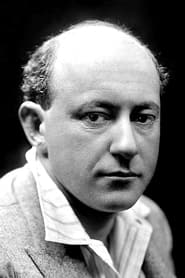
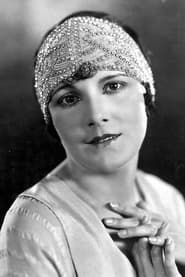
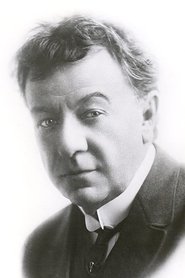
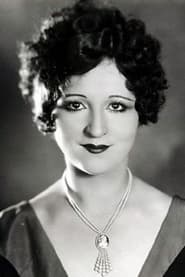
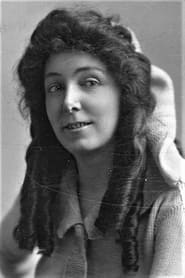
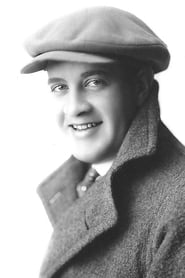
Wealthy thrill-seeker Lydia knocks a mounted policeman to his death and faces prosecution until her architect lover takes blame. Cecil B. DeMille frames the Jazz Age collision of privilege, recklessness, and redemptive sacrifice.
Cast & crew
More films like this
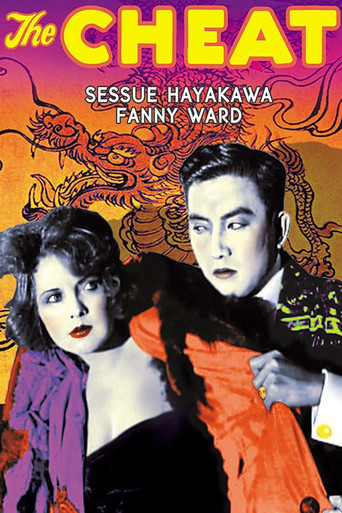
More Drama films
View all →







More from Cecil B. DeMille
View all →
More about this film
About the production
Release dateSeptember 24, 1922
Budget$250,000 (estimated, a substantial budget for 1922)
Box officeHighly successful, grossing over $1 million domestically, making it one of the year's biggest hits
ProductionFamous Players-Lasky Corporation, Paramount Pictures
Filmed inParamount Studios, Hollywood, California, New York City (location footage), San Quentin State Prison (exterior shots)
Cecil B. DeMille spared no expense on production values, including elaborate party sequences, a spectacular prison scene with hundreds of extras, and groundbreaking special effects for the car crash sequence. The film featured state-of-the-art camera techniques including moving shots from vehicles and complex tracking shots. DeMille insisted on authentic prison uniforms and consulted with actual prison officials for accuracy.
Themes
Moral responsibility and accountabilityRedemption and spiritual transformationClass privilege and social justiceThe consequences of reckless behaviorThe possibility of personal growth through suffering
Themes & topics
socialitemanslaughterprisonredemptioncar crashtransformationwealthprivilegejusticemoral awakeningclass conflictspiritual journey
Historical background
Manslaughter (1922) appeared as DeMille was refining glossy moral dramas for Paramount's upscale audience.
Why this film matters
The circus and roadster sequences exemplify DeMille's spectacle-plus-sermon formula that dominated 1920s Hollywood.
Making of
Cecil B. DeMille was known for his meticulous attention to detail and demanding directing style. During production, he insisted on multiple takes of crucial scenes, particularly the emotional prison sequences where Lydia undergoes her transformation. The famous car crash scene required weeks of preparation and involved building a special camera mount that could survive the impact. DeMille worked closely with cinematographer Karl Brown to achieve innovative lighting effects, especially in the prison scenes where he used dramatic shadows to convey the psychological transformation of the protagonist. The production faced censorship challenges due to its depiction of prison life and the moral implications of the story, requiring several cuts to satisfy various state censorship boards. Despite these challenges, DeMille fought to maintain the film's core message about redemption and moral responsibility.
What critics said
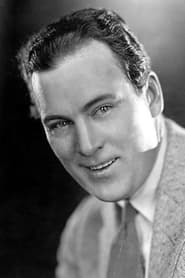
Critics praised Leatrice Joy and Thomas Meighan; modern writers discuss its blend of sensationalism and moral bookkeeping.
Did you know?
- The film's car crash sequence was considered among the leading dangerous stunts of its time, performed by professional stunt drivers under carefully controlled conditions
- Leatrice Joy was reportedly so committed to her role that she spent time observing actual prisoners to understand their mannerisms and psychology
- The film's success helped establish Leatrice Joy as one of the top box office stars of the 1920s
- Cecil B. DeMille used over 3,000 extras for the prison sequences, making it one of the largest crowd scenes in silent cinema up to that point
- The original story was based on a real-life case that DeMille read about in newspaper reports
- The film featured one of the earliest uses of split-screen techniques to show simultaneous action
- Paramount invested heavily in the film's marketing, including a nationwide promotional tour with the stars
- The prison scenes were filmed on a specially constructed set that cost over $50,000 to build
- The film's title was controversial at the time, with some critics feeling it was too harsh for a melodrama
- A young Rudolph Valentino was briefly considered for the male lead before Thomas Meighan was cast
Awards & recognition
- Photoplay Magazine Medal of Honor (1922) - Winner
Visual style
The cinematography by Karl Brown and Bert Glennon was groundbreaking for its time, featuring innovative camera movements and lighting techniques that enhanced the film's emotional impact. The prison sequences utilized dramatic chiaroscuro lighting to convey the psychological transformation of the protagonist, with deep shadows and stark contrasts representing Lydia's journey from darkness to redemption. The film employed moving shots from automobiles during the crucial chase sequences, creating a sense of immediacy and danger that was revolutionary for 1922. The party scenes featured elaborate lighting setups with multiple sources to create the glittering, decadent atmosphere of high society, while the prison scenes used harsh, single-source lighting to emphasize institutional coldness. The cinematography also included early experiments with subjective camera angles, particularly during Lydia's moments of moral crisis.
Innovations
Manslaughter featured several technical innovations that advanced the art of cinema. The film's car crash sequence utilized multiple cameras filming simultaneously from different angles, allowing DeMille to create a dynamic, multi-perspective action sequence that was unprecedented for its time. The production employed sophisticated matte painting techniques to create the illusion of expansive prison yards and cityscapes. The film also featured early use of the optical printer for certain special effects, particularly in the dream sequences that represented Lydia's psychological state. The lighting design for the prison scenes was particularly innovative, using newly developed arc lights to create dramatic shadows and highlights that enhanced the emotional impact of the performances. The film's editing was also noteworthy for its complex cross-cutting between parallel actions, building tension during the chase sequences and creating emotional resonance during the transformation scenes.
Music
As a silent film, Manslaughter was accompanied by live musical performances during its theatrical run. The original score was composed by William Axt and David Mendoza, who created a comprehensive musical program that emphasized the film's emotional arc. The score featured leitmotifs for different characters and situations, with Lydia's theme evolving from light and frivolous to somber and ultimately hopeful. The music incorporated popular songs of the era as well as classical pieces, reflecting DeMille's approach to making his films accessible to broad audiences. The prison sequences were accompanied by somber, minor-key compositions that underscored the gravity of Lydia's situation, while the party scenes featured upbeat jazz-age music that captured the hedonistic atmosphere of 1920s high society.
Famous quotes
I've always done exactly as I pleased - and now I must pay the price." - Lydia Thorne
In prison, I learned what freedom really means." - Lydia Thorne
Money can buy anything except a clear conscience." - District Attorney O'Bannon
The greatest punishment isn't the prison walls, but what we carry inside them." - Prison Chaplain
Some lessons can only be learned through suffering." - Lydia Thorne
Memorable scenes
- The spectacular car crash sequence where Lydia's reckless driving leads to tragedy, filmed with groundbreaking multiple camera angles and stunt work that amazed 1922 audiences
- Lydia's first night in prison, where the contrast between her luxurious life and the harsh reality of incarceration is powerfully conveyed through lighting and performance
- The emotional prison chapel scene where Lydia breaks down and experiences her moment of spiritual awakening, considered one of Leatrice Joy's most powerful performances
- The elaborate society party sequence that opens the film, showcasing the decadence and excess of the Roaring Twenties through spectacular costumes and set design
- The final confrontation scene between Lydia and District Attorney O'Bannon, where themes of forgiveness and redemption come to a powerful resolution
What audiences thought
Manslaughter was a tremendous box office success, playing to sold-out houses across the country for months. Audiences were particularly drawn to Leatrice Joy's performance and the spectacular production values. The film's emotional journey resonated strongly with 1920s audiences, who were grappling with questions of morality in an era of rapid social change. Many viewers reported being deeply moved by Lydia's transformation in prison, and the film sparked numerous discussions about justice and redemption in newspapers and magazines. The film's success led to increased demand for similar socially conscious dramas throughout the early 1920s. Audience feedback cards from theaters consistently praised the film's emotional impact and technical achievements, with many viewers specifically mentioning the powerful prison sequences as the film's highlight.
Film connections
Influenced by
- The real-life scandal cases of the 1920s
- Contemporary newspaper reports about reckless driving among the wealthy
- D.W. Griffith's narrative techniques
- German Expressionist cinema's use of shadows and lighting
- Victorian melodrama traditions
- Contemporary prison reform movements
This film influenced
- The Way of All Flesh (1927)
- The Docks of New York (1928)
- I Am a Fugitive from a Chain Gang (1932)
- The Story of Temple Drake (1933)
- The Prisoner of Shark Island (1936)
Film restoration
Manslaughter is preserved in the Library of Congress and has been restored by major film archives including the Museum of Modern Art and the UCLA Film and Television Archive. While complete prints exist, some sequences show signs of deterioration typical of nitrate film from this era. A restored version was released on home video in the early 2000s, featuring tinted scenes and a newly recorded musical score. The film remains accessible through various classic film streaming services and is occasionally screened at film festivals and museums specializing in silent cinema.
Where to watch
- The Criterion Channel
- Kino Lorber's DVD/Blu-ray releases
- The Internet Archive (public domain version)
- Film streaming services specializing in classic cinema
- Occasional screenings at film museums and classic film festivals
- Academic film archives and university libraries