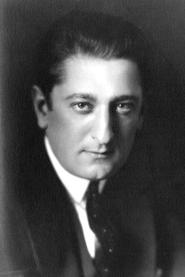
Allen Holubar
Actor & Director
Born: August 3, 1888 in San Francisco, California, USA Died: November 28, 1923 Active: 1913-1923 Birth Name: Allen Joseph Holubar
Films
3 films
About Allen Holubar
Allen Joseph Holubar — American actor and director during the silent film era who made significant contributions to early Hollywood cinema. Born in San Francisco in 1888, he began his career as an actor in the mid-1910s, quickly gaining recognition for his compelling screen presence. Holubar transitioned successfully into directing, becoming one of the notable actor-directors of his time. His most acclaimed work as a director was 'The Heart of Humanity' (1918), a World War I drama that showcased his sophisticated visual storytelling techniques. He married actress Dorothy Phillips in 1916, and the couple frequently collaborated on films, with Phillips often starring in his directorial projects. Tragically, Holubar's promising career was cut short when he died of heart failure at the young age of 35 in 1923, leaving behind a legacy of innovative filmmaking during cinema's formative years.
The Craft
On Screen
Holubar was known for his intense, dramatic acting style typical of the silent era, characterized by expressive facial expressions and exaggerated gestures that effectively conveyed emotion without dialogue. His tall, commanding presence and deep-set eyes made him particularly effective in dramatic and villainous roles. He brought a theatrical background to his screen performances, which helped him transition naturally into directing.
Behind the Camera
As a director, Holubar was noted for his sophisticated visual composition and innovative camera techniques for the period. He employed dynamic camera movements and dramatic lighting effects to enhance emotional storytelling. His films often featured epic scale and grand spectacle, particularly in war sequences. Holubar was among the early directors to recognize the importance of visual storytelling over intertitles, using imagery to advance narrative.
Milestones
- Breakthrough role in 'The Sultana' (1916)
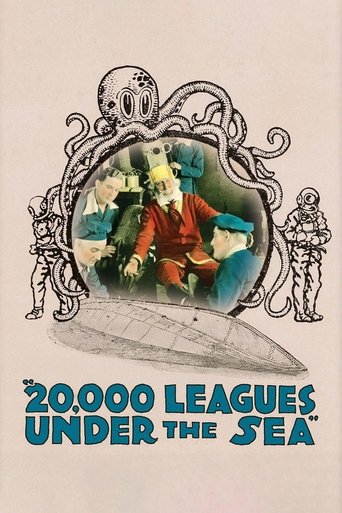
- Starred in '20,000 Leagues Under the Sea' (1916)
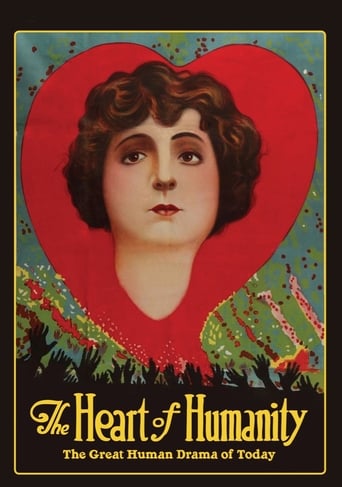
- Directed the acclaimed 'The Heart of Humanity' (1918)
- Established his own production company
- Married frequent collaborator Dorothy Phillips (1916)
Best Known For
Iconic Roles
Must-See Films
Accolades
Special Recognition
- Star on the Hollywood Walk of Fame (posthumous)
- Recognized as an early pioneer of American cinema by film historians
Working Relationships
Worked Often With
Studios
Why They Matter
Impact on Culture
Allen Holubar contributed significantly to the development of American cinema during its formative years, particularly in establishing the actor-director model that would become more common in later decades. His film 'The Heart of Humanity' was notable for its realistic depiction of World War I and influenced how war stories would be told in cinema. Holubar's work helped establish Universal Pictures as a major studio capable of producing high-quality dramatic features. His technical innovations in camera work and visual storytelling influenced subsequent generations of filmmakers.
Lasting Legacy
Allen Holubar's legacy lies in his dual contributions as both actor and director during a crucial period in cinema's development. Though his career was tragically short, his films, particularly 'The Heart of Humanity,' are studied by film historians as examples of sophisticated silent-era filmmaking. His marriage to Dorothy Phillips represented one of early Hollywood's most successful creative partnerships. Holubar is remembered as a talented filmmaker who helped establish many of the storytelling techniques that would become standard in American cinema.
Who They Inspired
Holubar influenced the transition of actors into directing roles, demonstrating that performers could successfully move behind the camera. His visual storytelling techniques, particularly his use of lighting and composition, influenced other directors of the silent era. His work on war films helped establish conventions for depicting combat on screen that would be refined by later filmmakers. Though his direct influence was limited by his early death, his films continued to be studied as examples of sophisticated silent cinema.
Off Screen
Allen Holubar married actress Dorothy Phillips in 1916, forming one of Hollywood's early power couples. Their marriage was both personal and professional, with Phillips starring in many of his directorial efforts. The couple had one daughter together. Holubar was known for his dedication to the craft of filmmaking and was considered a hard-working, professional figure in the early Hollywood community. His sudden death at age 35 was a shock to the industry and cut short a promising career.
Education
Limited formal education details available, likely educated in San Francisco before entering entertainment industry
Family
- Dorothy Phillips (1916-1923)
Did You Know?
- Died at the young age of 35, cutting short a promising career
- His film 'The Heart of Humanity' featured controversial scenes for its time, including a baby being saved from a burning building
- Was one of the first American actors to successfully transition to directing
- His wife Dorothy Phillips starred in most of his directorial efforts
- The Heart of Humanity was Universal's biggest hit of 1918
- His version of Captain Nemo in '20,000 Leagues Under the Sea' was considered one of the definitive interpretations of the character in silent cinema
- Established his own production company in the late 1910s
- His death was attributed to heart failure, possibly exacerbated by overwork
- Was known for his meticulous attention to detail in his directorial work
- His films often featured strong female protagonists, unusual for the period
In Their Own Words
"The camera is the truest instrument for capturing human emotion - it cannot lie, unlike words which can deceive" (paraphrased from interviews about his directorial philosophy)
"A film must speak to the heart before it speaks to the mind" (from promotional materials for 'The Heart of Humanity')
Frequently Asked Questions
Who was Allen Holubar?
American actor and on YTB.my. He was known for both his acting performances and his directorial work, most notably the acclaimed war drama 'The Heart of Humanity' (1918).
What films is Allen Holubar best known for?
Titles linked here include The Heart of Humanity (1918), 20,000 Leagues Under the Sea (1916).
When was Allen Holubar born and when did he die?
Born August 3, 1888; died November 28, 1923.
What awards did Allen Holubar win?
Allen Holubar did not receive major formal awards during his lifetime, as the Academy Awards were established after his death in 1923. However, he has been posthumously recognized with a star on the Hollywood Walk of Fame and is acknowledged by film historians as an important pioneer of early American cinema.
What was Allen Holubar's directing style?
Holubar's directing style was characterized by sophisticated visual composition, innovative camera techniques, and dramatic lighting effects. He emphasized visual storytelling over intertitles and was known for creating films with epic scale and grand spectacle, particularly in his war sequences.
Was Allen Holubar married?
Yes, Allen Holubar married actress Dorothy Phillips in 1916. Their marriage was both personal and professional, with Phillips frequently starring in his directorial projects. They had one daughter together and remained married until Holubar's death in 1923.