Films
5 films

About William Welsh
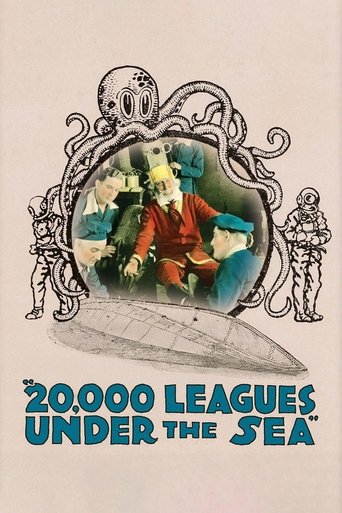
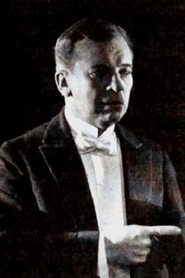
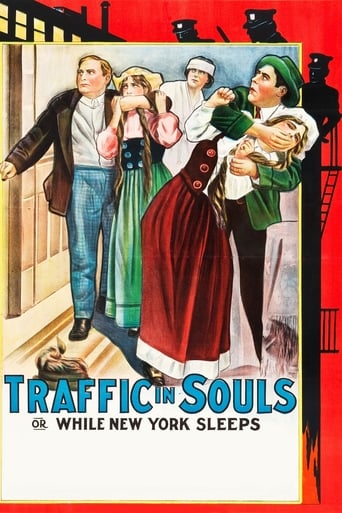
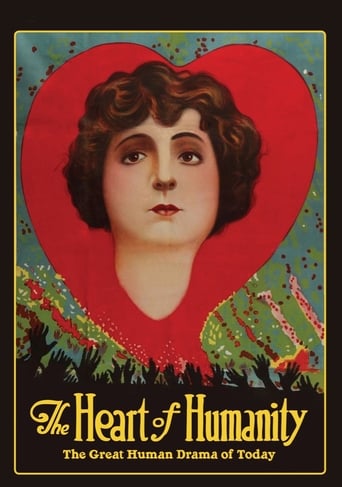
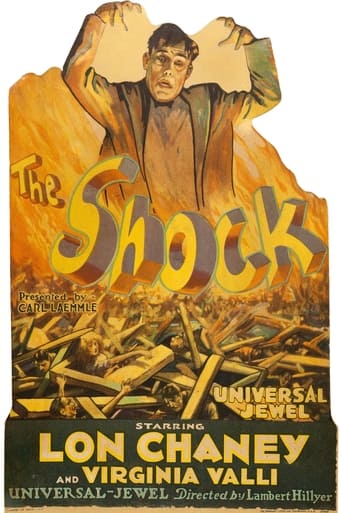
American character actor of the silent-film era: screen career appears to have been most active during the 1910s and early 1920s. He is William Welsh appeared in a number of significant early features, including Traffic in Souls (1913), one of the best-known American films of the pre-feature-length censorship era, and 20,000 Leagues Under the Sea (1916), an ambitious early adaptation of Jules Verne that showcased the growing scale of studio production in silent cinema. Welsh also appeared in The Heart of Humanity (1918), The Shock (1923), and The Price She Paid (1924), indicating a career that bridged the industry’s transition from mid-1910s melodramas into the more polished features of the early 1920s. Like many dependable supporting players of the period, he seems to have worked primarily as a professional ensemble actor rather than a star, contributing presence and credibility in smaller roles across a range of dramas and adventure pictures. Detailed biographical information on his early life, training, and later years is scarce in surviving readily available film-reference sources, which is common for many silent-era performers whose careers were documented more in studio publicity and trade papers than in later biographical compendiums. Nonetheless, his film credits place him squarely within the formative years of American feature filmmaking, when character actors helped establish the realism, texture, and dramatic momentum of the emerging screen narrative.
The Craft
On Screen
No contemporary acting analysis specific to William Welsh survives in widely accessible sources, but his career placement suggests the disciplined, economical style typical of silent-era character actors. Performers of this type relied on clear physical expression, readable gestures, and strong scene presence rather than expansive dialogue-driven performance. Welsh appears to have specialized in supporting parts that required credibility and composure within ensemble storytelling.
Milestones
- Appeared in Traffic in Souls (1913), a landmark early American feature film that became one of the major box-office successes of its era
- Worked in 20,000 Leagues Under the Sea (1916), an important early screen adaptation of Jules Verne and a notable technical achievement for the silent period
- Acted in The Heart of Humanity (1918), a wartime melodrama associated with large-scale production values and patriotic storytelling
- Continued working into the 1920s with credits in The Shock (1923) and The Price She Paid (1924), showing sustained activity during the late silent era
- Represents the dependable supporting-actor tradition that helped define narrative continuity and realism in silent cinema
- Built a career across early feature production during a formative decade in American film history
Best Known For
Iconic Roles
Must-See Films
Why They Matter
Impact on Culture
William Welsh’s cultural impact is best understood as part of the broad foundation upon which early American cinema was built. While he was not a marquee star whose name anchored publicity campaigns, actors like Welsh were essential to the functioning of silent film production, providing the dependable supporting performances that allowed stories to feel coherent, immediate, and emotionally grounded. His presence in Traffic in Souls connects him to one of the era’s most talked-about films, while 20,000 Leagues Under the Sea places him within the early history of literary adaptation on screen and the development of spectacle in silent filmmaking. In a period when film acting was still establishing its own grammar, the work of seasoned ensemble players helped normalize the visual storytelling methods that audiences came to expect.
Lasting Legacy
Welsh’s legacy lies in his contribution to the silent-era repertory of character actors whose names may not be widely remembered but whose work remains embedded in the history of early American film. His surviving credits mark him as part of the generation that helped move cinema from short-form novelty and sensational melodrama into feature-length narrative entertainment. Because many of his biographical details have not been preserved in readily available sources, his importance is especially archival: he represents the many working performers whose careers were substantial enough to shape films of the era, even if they were not celebrated as stars. For historians of classic cinema, such actors are valuable evidence of the industrial and artistic ecosystem that made the silent feature possible.
Who They Inspired
William Welsh’s influence was likely indirect rather than celebrity-based. He contributed to the performance culture of early Hollywood by participating in the ensemble-driven acting style that later character players and supporting actors continued to refine. His screen presence in notable silent features would have helped establish standards for credible, efficient screen acting at a time when cinema was still borrowing from stage conventions and learning to communicate visually. Even without a widely documented personal legacy, his work belongs to the lineage that influenced later generations of character actors in American film.
Off Screen
Reliable public information about William Welsh’s personal life is extremely limited in standard film references. No well-documented account of his marriages, children, education, or private biography is readily confirmed from the surviving widely accessible record used here. As with many silent-era supporting actors, his career survives more clearly through film credits than through detailed biographical documentation. It is possible that more information exists in archival trade publications, census records, or studio-era documentation, but such details are not firmly established in the available sources consulted for this profile.
Education
No verified information found in readily available classic-film reference sources.
Did You Know?
- He is William Welsh appeared in Traffic in Souls (1913), a famous early feature often discussed in histories of pre-Code and silent-era cinema.
- His filmography shows activity across more than a decade, from 1913 through 1924.
- 20,000 Leagues Under the Sea (1916) was one of the more ambitious early screen versions of Jules Verne's fiction, linking Welsh to early special-effects and adventure filmmaking.
- His career spans both the mid-silent era and the more polished production style of the early 1920s.
- Available mainstream film-reference sources provide far more about his film credits than about his private life, which is common for supporting actors of the silent era.
- He appears to have worked primarily as a character and supporting actor rather than as a leading man.
- His credit in The Heart of Humanity (1918) places him in a large-scale wartime melodrama produced during World War I-era filmmaking.
Frequently Asked Questions
Who was William Welsh?
American silent-film with credits in this catalog. He was a supporting and character performer whose credits include several notable early features, placing him among the working ensemble actors who helped shape the silent era.
What films is William Welsh best known for?
Titles linked here include Traffic in Souls (1913), 20,000 Leagues Under the Sea (1916).
When was William Welsh born and when did he die?
His birth and death dates are not confirmed in the readily available classic-film sources used for this profile. Many silent-era supporting actors left limited biographical documentation, so only his film career can be stated with confidence here.
What awards did William Welsh win?
No major awards or nominations are documented for William Welsh in the available records. His career belongs to the early silent era, when awards systems were less formalized than they later became in Hollywood.
What was William Welsh's acting style?
He appears to have worked in the economical, expressive style typical of silent-era character actors. That meant strong physical readability, clear reactions, and solid support for the lead players rather than highly individualized star performance.
What is William Welsh's legacy in film history?
His legacy is as part of the dependable ensemble of silent-era American cinema. While not a major star, he contributed to important early films and represents the many working actors whose performances helped establish the language of feature filmmaking.