Films
4 films

About Walt Whitman
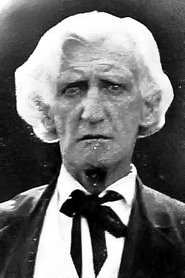
Character actor during the silent film era, primarily active between 1918 and 1923. Walt appears in several notable productions of the period, including supporting roles in major films like 'The Mark of Zorro' (1920) starring Douglas Fairbanks. His career, though relatively brief, spanned the transitional period of American cinema as it evolved from shorter films to feature-length productions. Whitman typically played supporting character roles, often portraying authority figures, townspeople, or minor antagonists in the dramatic narratives of the time. His filmography reflects the typical journey of many working actors in silent cinema who contributed to numerous productions without achieving star status. After 1923, his appearances in films became increasingly rare, suggesting either a career transition or retirement from the industry as Hollywood moved into the sound era.
The Craft
On Screen
As a character actor in the silent era, Whitman would have employed the exaggerated physical gestures and facial expressions typical of the period. Silent film actors needed to convey emotion and narrative through visual means alone, requiring precise body language and expressive techniques. His roles suggest he was adept at portraying established character types that audiences of the time would immediately recognize.
Milestones
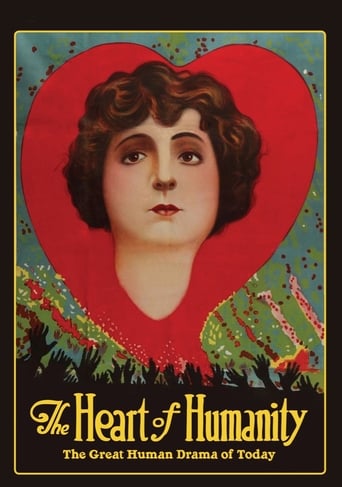
- Appeared in 'The Heart of Humanity' (1918), a significant World War I drama
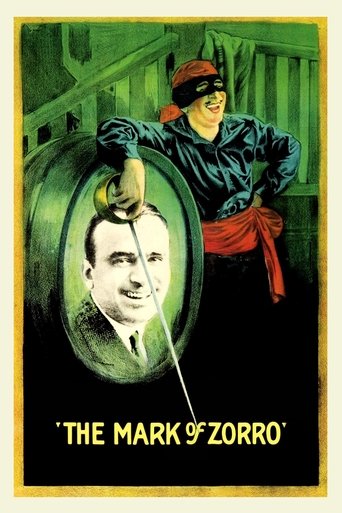
- Had a role in 'The Mark of Zorro' (1920), one of Douglas Fairbanks' most iconic swashbucklers
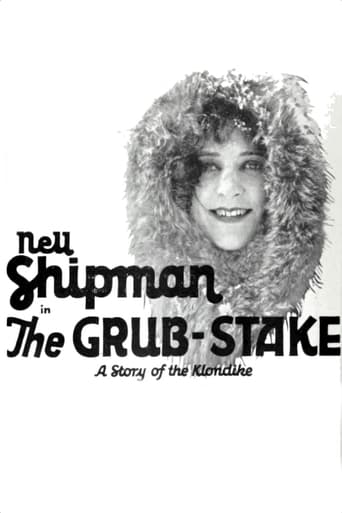
- Featured in 'The Grub Stake' (1923), an early Western drama
- Worked during the peak years of silent cinema's golden age
Best Known For
Iconic Roles
Must-See Films
Working Relationships
Worked Often With
Why They Matter
Impact on Culture
Walt Whitman represents the countless character actors who formed the backbone of silent cinema, supporting leading stars and helping to create the immersive worlds of early films. While not a major star, his contributions to films like 'The Mark of Zorro' helped establish the visual language and storytelling techniques that would define Hollywood's golden age. These supporting actors were essential to the studio system, providing reliability and professionalism that allowed productions to maintain quality and consistency.
Lasting Legacy
Walt Whitman's legacy is that of a typical working actor from the silent era, one of many talented performers who contributed to cinema's development without achieving lasting fame. His appearances in historically significant films like 'The Mark of Zorro' ensure his place in film history, however minor his roles may have been. He represents the foundation upon which Hollywood's star system was built - the reliable character actors who brought depth and authenticity to every production.
Who They Inspired
As a supporting actor during silent cinema's formative years, Whitman would have been part of the generation that established acting conventions for film. His work, along with that of countless other character actors, helped create the visual vocabulary that would influence subsequent generations of film performers, even as the medium evolved from silent to sound and beyond.
Off Screen
Very little documented information exists about Walt Whitman's personal life, which was common for many supporting actors of the silent era who did not achieve star status. Like many character actors of his time, he likely lived a relatively private life outside of his film work.
Did You Know?
- Appeared in 'The Mark of Zorro' (1920), which was one of the first films to feature the Zorro character on screen
- His active years covered exactly five years during the peak of silent cinema
- Worked during the same period as silent stars like Charlie Chaplin, Buster Keaton, and Douglas Fairbanks
- His film career ended just before the transition to sound films began in the late 1920s
- Like many silent era actors, much of his personal information has been lost to history
- The Heart of Humanity (1918) was directed by Allen Holubar, one of the prominent directors of the era
- The Grub Stake (1923) was one of his later film appearances
- Character actors like Whitman often appeared in multiple films for the same studios without receiving screen credit
Frequently Asked Questions
Who was Walt Whitman?
American character with credits in this catalog.
What films is Walt Whitman best known for?
Titles linked here include The Mark of Zorro (1920), The Heart of Humanity (1918).
When was Walt Whitman active in films?
Walt Whitman's film active years covered from 1918 to 1923, covering five years during the golden age of silent cinema.
What type of roles did Walt Whitman typically play?
Whitman — character actor who typically played supporting roles, often portraying townspeople, authority figures, or minor characters in the dramatic narratives of silent films.
Why is there limited information about Walt Whitman?
Limited information exists about Walt Whitman because he was a supporting character actor rather than a star, and many details about non-leading actors from the silent era were not thoroughly documented or have been lost over time.