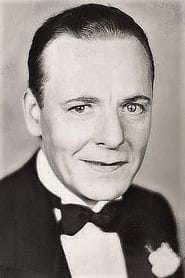
Edward Earle
Actor
Born: July 16, 1882 in Toronto, Ontario, Canada Died: December 15, 1972 Active: 1915-1950 Birth Name: Edward James Earle
Films
5 films
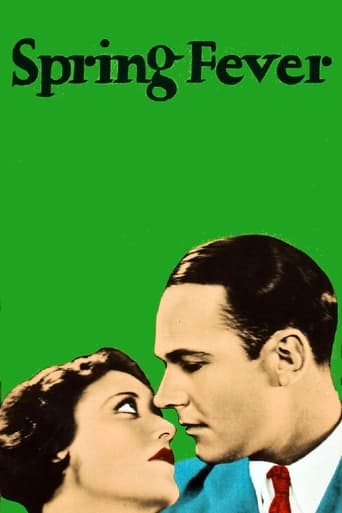
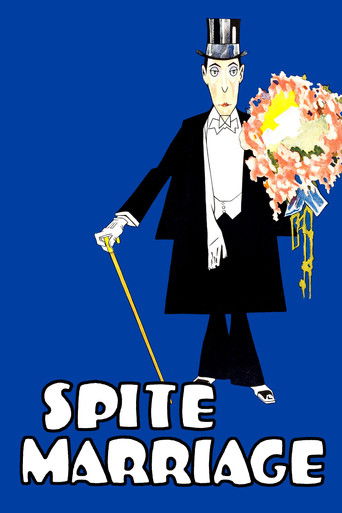
About Edward Earle
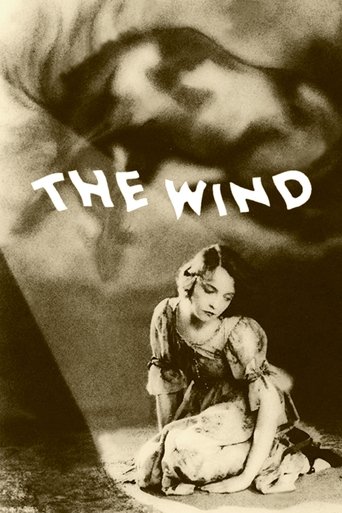
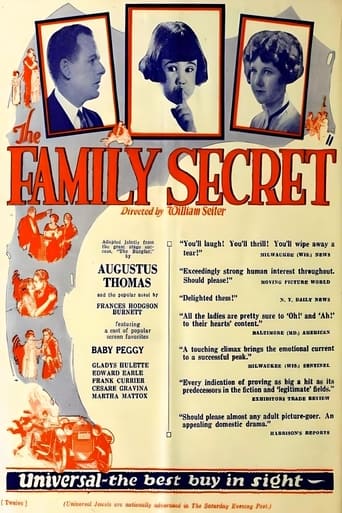
Canadian-American actor who enjoyed a prolific career during the silent film era and successfully transitioned into early sound films. Born in Toronto, Ontario, he began his acting career on the stage before moving to Hollywood in the mid-1910s. Earle quickly established himself as a reliable character actor, appearing in over 200 films throughout his career. He worked with some of the biggest stars of the era, including Lillian Gish in the critically acclaimed 'The Wind' (1928) and Buster Keaton in 'Spite Marriage' (1929). His versatility allowed him to play a wide range of roles, from romantic leads to villainous characters. As the film industry evolved, Earle adapted to the talkie era and continued working through the 1930s and 1940s, though often in smaller, uncredited roles. His nearly four decades, making him one of the more enduring character actors of early Hollywood cinema.
The Craft
On Screen
Earle was known for his naturalistic acting style that evolved with the changing times of cinema. In the silent era, he employed expressive gestures and facial techniques typical of the period, but with a subtlety that made his performances stand out. His ability to convey emotion through his eyes and body language made him particularly effective in dramatic roles. As sound films emerged, his clear diction and stage background served him well, allowing smooth transitions between mediums. He specialized in playing gentlemen, authority figures, and sometimes romantic leads, bringing a sense of reliability and gravitas to his characters.
Milestones
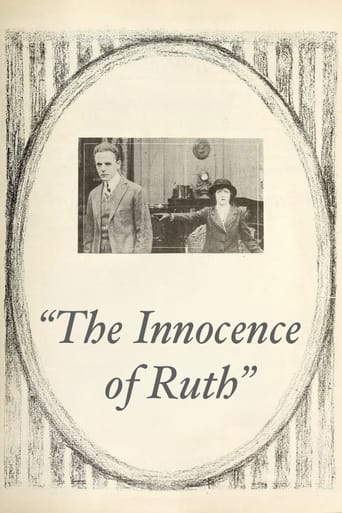
- Breakthrough role in 'The Innocence of Ruth' (1916)
- Memorable performance in Lillian Gish's 'The Wind' (1928)
- Collaboration with Buster Keaton in 'Spite Marriage' (1929)
- Successful transition from silent films to talkies
- Over 200 film appearances throughout his career
Best Known For
Iconic Roles
Must-See Films
Working Relationships
Worked Often With
Studios
Why They Matter
Impact on Culture
Edward Earle represents the archetype of the reliable character actor who formed the backbone of Hollywood's golden age. While never achieving leading man status, his consistent performances across hundreds of films contributed significantly to the quality and depth of classic cinema. His ability to adapt from silent films to talkies demonstrated the versatility required of actors during this transitional period. Earle's work in major productions like 'The Wind' helped support the performances of cinema's biggest stars, proving that strong supporting performances are essential to creating memorable films. His career longevity, spanning from the early teens through the post-war era, makes him a valuable study in professional sustainability in the rapidly changing film industry.
Lasting Legacy
Edward Earle's legacy lies in his contribution to the fabric of classic Hollywood cinema as one of the era's most prolific character actors. With over 200 film credits, he represents the unsung heroes who filled out casts and provided essential support to leading players. His performances in significant silent films like 'The Wind' have been preserved as part of cinema history, allowing modern audiences to appreciate his craft. Earle's successful navigation of the transition from silent to sound films serves as an example of adaptability in an industry known for its rapid evolution. While not a household name today, film historians and classic cinema enthusiasts recognize his importance in the ecosystem of early Hollywood production.
Who They Inspired
Earle influenced younger actors through his professional example rather than direct mentorship. His consistent work ethic and ability to play diverse roles demonstrated the value of versatility in a character actor's career. Many aspiring actors of his era looked to performers like Earle as models for building sustainable careers in Hollywood without achieving stardom. His naturalistic acting style, which evolved with the medium, showed how performers could adapt their techniques as cinematic technology advanced. Contemporary character actors studying classic Hollywood performances often cite actors like Earle as examples of how to effectively support leading performances while maintaining distinct characterizations.
Off Screen
Edward Earle led a relatively private life away from the Hollywood spotlight. He married actress Claire Du Brey in 1920, though the marriage ended in divorce. He later married Ruth Taylor, with whom he remained until her death. Unlike many of his contemporaries, Earle avoided scandal and maintained a reputation as a dependable professional. He was known among colleagues as a hardworking actor who always prepared thoroughly for his roles, regardless of their size. After retiring from films, he lived quietly in Los Angeles, occasionally appearing in television roles during the medium's early years.
Education
Educated in Toronto, with early theatrical training in local theater companies
Family
- Claire Du Brey (1920-1924)
- Ruth Taylor (1925-1965)
Did You Know?
- Appeared in over 200 films during his career, though many were uncredited
- Was originally a stage actor before transitioning to films
- Served in the Canadian military before his acting career
- Was one of the few actors who successfully transitioned from leading roles in silents to character roles in talkies
- Worked with virtually every major studio during his career
- Often played authority figures such as doctors, lawyers, and businessmen
- His final film appearance was in 1950, after which he retired from acting
- Was known for his professionalism and reliability on set
- Spoke multiple languages, which occasionally helped him secure international roles
- Survived two major industry transitions: from silents to talkies, and from the studio system to independent production
In Their Own Words
In pictures, you learn to be ready for anything. One day you're a cowboy, the next you're a judge. That's the joy of being an actor.
The secret to longevity in this business isn't fame, it's reliability. Show up on time, know your lines, and be professional.
Frequently Asked Questions
Who was Edward Earle?
Screen credits include over 200 films during the silent era and early sound period. He was known for his versatility and reliability, playing supporting roles in major productions like 'The Wind' (1928) and working with stars such as Lillian Gish and Buster Keaton.
What films is Edward Earle best known for?
Titles linked here include The Wind (1928), Spite Marriage (1929).
When was Edward Earle born and when did he die?
Born July 16, 1882; died December 15, 1972.
What awards did Edward Earle win?
Despite his prolific career and contributions to cinema, Edward Earle did not receive major awards or nominations. Like many character actors of his era, his recognition came primarily from consistent work and the respect of his peers in the industry rather than formal accolades.
What was Edward Earle's acting style?
Earle's acting style evolved from the expressive techniques of the silent era to more naturalistic performances in talkies. He was known for his subtlety in silent films and his clear diction in sound films, specializing in playing gentlemen and authority figures with reliability and gravitas.