
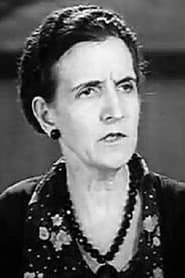
Martha Mattox
Actor
Born: November 19, 1879 in Natchez, Mississippi, USA Died: May 2, 1933 Active: 1917-1927
Films
8 films
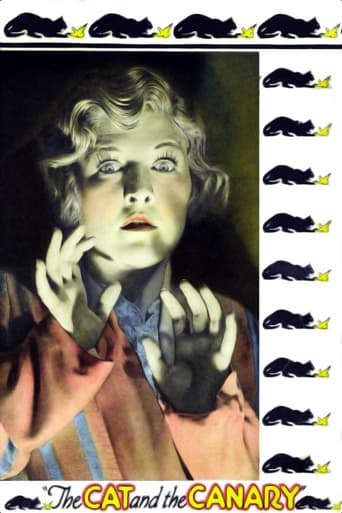
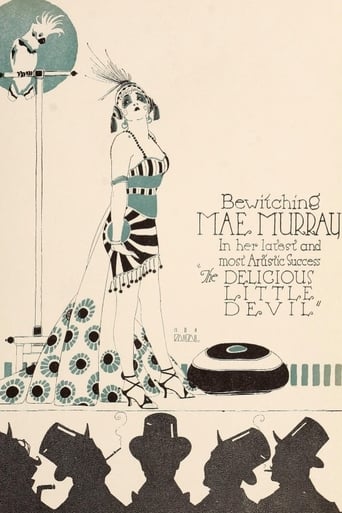
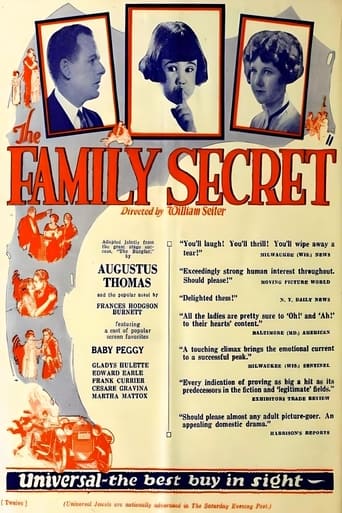
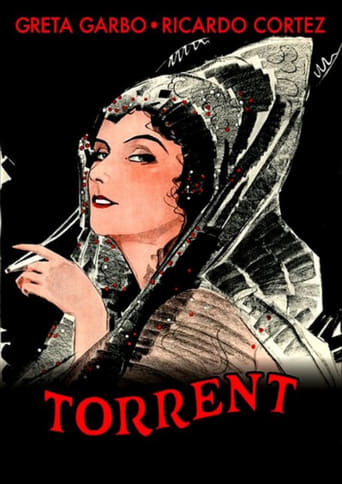
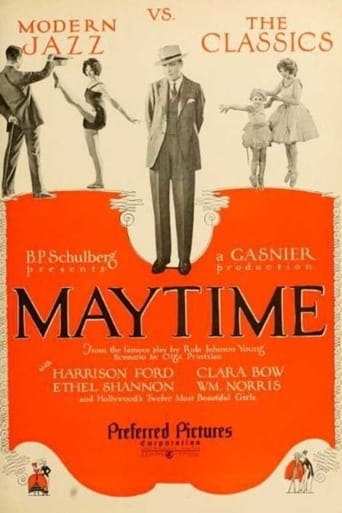
About Martha Mattox
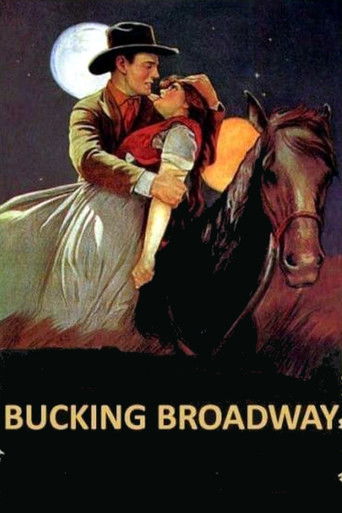
Character actress of the silent film era, renowned for her commanding presence and memorable portrayals of stern, formidable women. Born in the late 19th century, she began her film career in 1917 with John Ford's early western 'Bucking Broadway,' quickly establishing herself as a reliable character performer. Throughout her decade-long career, Mattox worked with prominent directors and appeared alongside major stars of the silent era, including Rudolph Valentino and Gloria Swanson. Her most role came as the housekeeper Mammy Mary in the 1925 horror classic 'The Phantom of the Opera,' where her stern demeanor and expressive face made her an unforgettable presence. Mattox specialized in playing housekeepers, governesses, and other authority figures, bringing depth and nuance to what could have been one-dimensional characters. Her career peaked in the mid-1920s, but like many silent film actors, she struggled to transition to sound films, with her last screen appearance in 1927. Despite her relatively brief filmography, Martha Mattox on silent cinema through her distinctive characterizations and the lasting impact of her most famous roles.
The Craft
On Screen
Martha Mattox was known for her powerful screen presence and ability to convey authority through subtle facial expressions and body language. Her acting style was characteristic of the silent era's emphasis on visual storytelling, using her stern features and imposing demeanor to create memorable characterizations without dialogue. Mattox excelled at playing formidable women who commanded respect, often portraying housekeepers, governesses, or other authority figures with a mix of sternness and underlying warmth. Her technique involved minimal but precise gestures, allowing her eyes and facial expressions to carry the emotional weight of her scenes.
Milestones
- Breakthrough role in John Ford's 'Bucking Broadway' (1917)
- Memorable performance as Mammy Mary in 'The Phantom of the Opera' (1925)
- Collaboration with director John Ford in multiple early films
- Supporting roles in major productions like 'Torrent' (1926)
- Transition from stage to film career in her late 30s
Best Known For
Iconic Roles
Must-See Films
Working Relationships
Worked Often With
Studios
Why They Matter
Impact on Culture
Martha Mattox contributed significantly to the development of character archetypes in silent cinema, particularly the stern but caring housekeeper figure that would become a staple in American film. Her performance in 'The Phantom of the Opera' helped establish visual codes for horror cinema, with her imposing presence adding to the film's atmosphere of dread and mystery. Mattox represented the important but often unsung character actors who provided essential support to leading players, demonstrating how secondary roles could elevate the overall quality of a production. Her work during the transition from short films to feature-length narratives showcased the evolving sophistication of film acting in the 1920s.
Lasting Legacy
Martha Mattox's legacy endures primarily through her unforgettable performance in 'The Phantom of the Opera,' which continues to be studied by film scholars and appreciated by silent film enthusiasts. As one of the earliest examples of a specialized character actress in Hollywood, she paved the way for future generations of supporting players who would build careers around specific character types. Her filmography serves as a valuable record of the development of American cinema during its formative years, particularly the evolution of character acting from theatrical to more naturalistic styles. Though largely forgotten by mainstream audiences, Mattox remains a significant figure in film history for her contributions to the art of silent film performance.
Who They Inspired
Martha Mattox influenced subsequent generations of character actresses, particularly those specializing in authoritative or maternal roles. Her ability to create memorable characters with limited screen time demonstrated the importance of skilled supporting performances in ensemble productions. The housekeeper archetype she helped refine would appear in countless films throughout Hollywood's Golden Age, with later actresses building upon the foundation she established. Her work in horror cinema, particularly 'The Phantom of the Opera,' contributed to the visual language of the genre that would influence countless horror films in subsequent decades.
Off Screen
Private individual who kept her personal life largely out of the public eye, which was common for character with credits in this catalog. She began her entertainment career on the stage before transitioning to films in her late 30s, making her a mature newcomer to the burgeoning film industry. Mattox never married and had no children, dedicating her life entirely to her craft. After her film career ended with the advent of sound, she lived quietly in Los Angeles until her death from a heart attack in 1933 at the age of 53. Her passing received little attention in the press, reflecting the often-overlooked status of character actors in Hollywood history.
Education
Limited information available about her formal education, though she likely received theatrical training for her stage career prior to entering films.
Did You Know?
- Began her film career at the relatively late age of 38, unusual for actors of her era
- Her most famous role as Mammy Mary in 'The Phantom of the Opera' was without on-screen billing in some releases
- Worked with legendary director John Ford in his early career on multiple westerns
- Was a stage actress before transitioning to films, bringing theatrical techniques to her screen performances
- Died just six years after her film career ended, before sound films could have potentially revived her career
- Her stern appearance made her a natural choice for authority figures, typecasting her in similar roles
- Appeared in over 30 films during her decade-long career, though many are now lost
- Worked alongside some of the biggest stars of the silent era, including Rudolph Valentino and Gloria Swanson
- Her performance in 'The Phantom of the Opera' was praised for adding depth to what could have been a minor character
- Like many character actors of her era, she often played roles much older than her actual age
In Their Own Words
In silent pictures, we had to show everything with our faces and bodies. Every gesture had to mean something.
Playing the stern woman was easy for me. I think audiences saw something real in those characters.
The camera doesn't lie. It knows when you're faking it, especially in close-ups.
Frequently Asked Questions
Who was Martha Mattox?
American character actress active during the silent film era from 1917 to 1927, best known for her stern, authoritative roles and her memorable performance as Mammy Mary in 'The Phantom of the Opera' (1925).
What films is Martha Mattox best known for?
Titles linked here include The Phantom of the Opera (1925), Bucking Broadway (1917).
When was Martha Mattox born and when did she die?
Born November 19, 1879; died May 2, 1933.
What awards did Martha Mattox win?
Martha Mattox did not receive any major awards during her career, as was common for character actors in the silent era, though her performances were critically appreciated.
What was Martha Mattox's acting style?
Martha Mattox's acting style emphasized powerful visual presence and expressive facial features, using minimal but precise gestures to convey authority and emotion, characteristic of silent film performance techniques.