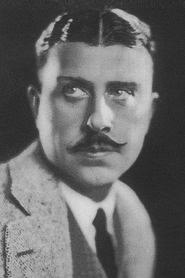
Stuart Holmes
Actor
Born: March 10, 1884 in Chicago, Illinois, USA Died: December 29, 1964 Active: 1914-1956 Birth Name: Joseph Liebman
Films
7 films
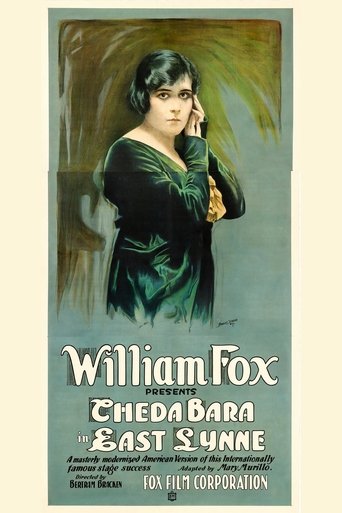
About Stuart Holmes
Prolific American actor: from the silent era through the Golden Age of Hollywood, appearing in over 400 films during his lifetime. Born Joseph Liebman in Chicago, he began his film career in 1914 and quickly established himself as a reliable character actor, often playing villains or authoritative figures in silent dramas. Holmes worked with some of the most celebrated directors of his time, including Erich von Stroheim, Rex Ingram, and Josef von Sternberg, appearing in landmark films such as 'The Four Horsemen of the Apocalypse' (1921) opposite Rudolph Valentino. Unlike many silent stars whose careers ended with the advent of sound, Holmes successfully transitioned to talkies, though his roles became increasingly smaller and more uncredited. He continued working steadily through the 1930s, 1940s, and 1950s, appearing in everything from major studio productions to B-movies and serials. His final film appearance was in 1956, marking an impressive career that spanned over four decades. Holmes was married to actress Ruth Rex, and the couple remained together until his death in 1964.
The Craft
On Screen
Stuart Holmes was known for his versatile character acting, often portraying villains, aristocrats, and authority figures with a commanding presence. In silent films, he utilized expressive facial features and precise gestures to convey emotion and character, particularly excelling in roles that required a menacing or sophisticated demeanor. His acting technique was rooted in the theatrical traditions of the early 20th century, yet he adapted well to the more naturalistic style required by sound films. Holmes had a distinctive appearance with sharp features and an intense gaze that made him particularly effective in antagonist roles. His ability to play both European nobility and American authority figures made him a valuable supporting player in international co-productions and Hollywood epics.
Milestones
- Appeared in over 400 films during his career
- Worked with legendary director Erich von Stroheim on multiple occasions
- Successfully transitioned from silent films to talkies
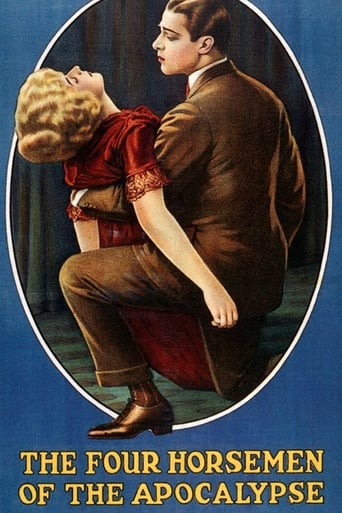
- Appeared in the international blockbuster 'The Four Horsemen of the Apocalypse' (1921)
- Played character roles in major Hollywood productions for over 40 years
Best Known For
Iconic Roles
Must-See Films
Accolades
Special Recognition
- Hollywood Walk of Fame star (located at 1711 Vine Street)
Working Relationships
Worked Often With
Studios
Why They Matter
Impact on Culture
Stuart Holmes contributed significantly to the golden age of cinema through his extensive body of work, particularly in establishing the archetype of the sophisticated villain in silent films. His performances helped define the visual language of cinematic antagonism during the transitional period from theatrical to naturalistic acting styles. Holmes worked on numerous films that are now considered classics of silent cinema, contributing to their lasting cultural significance. His ability to transition successfully from silent films to talkies demonstrated the adaptability required of character actors during this revolutionary period in film history. The sheer volume of his work—over 400 films—means he touched countless productions that collectively shaped American cinema during its formative decades.
Lasting Legacy
Stuart Holmes's legacy lies in his remarkable longevity and adaptability as a character actor through multiple eras of filmmaking. His extensive filmography serves as a valuable record of the evolution of Hollywood cinema from the silent era through the studio system's golden age. While never a leading man, Holmes's consistent presence in supporting roles across hundreds of films demonstrates the crucial importance of character actors in building the classic cinema. His work with directors like von Stroheim places him at the forefront of cinematic innovation during the 1920s. Today, film scholars and silent cinema enthusiasts recognize Holmes as an exemplar of the working actor who helped establish Hollywood's dominance in global cinema through sheer volume and reliability.
Who They Inspired
Holmes influenced subsequent generations of character actors through his demonstration of how to build a sustainable career in supporting roles. His ability to portray authority figures and villains with nuance helped establish character archetypes that would be emulated by future actors. His successful transition from silent to sound films provided a model for other actors facing the technological revolution of the late 1920s. Holmes's professional conduct and reliability on set set standards for work ethic that influenced industry practices. His extensive collaborations with visionary directors contributed to the development of cinematic language that would influence filmmaking worldwide.
Off Screen
Stuart Holmes was married to actress Ruth Rex, with whom he shared both his personal and professional life. The couple met during their work in silent films and maintained a strong relationship throughout Holmes's extensive career. Despite the demands of his prolific film schedule, Holmes managed to maintain a stable family life, which was somewhat unusual for Hollywood actors of his era. He was known among his colleagues as a reliable and professional actor who took his craft seriously while maintaining a modest personal life away from the glamour of Hollywood. Holmes and his wife lived in Hollywood for many years, where he remained active in the film community even as his roles became smaller in his later years.
Education
Limited formal education; likely trained in theater or acting schools of the early 1900s
Family
- Ruth Rex (married until his death in 1964)
Did You Know?
- Appeared in over 400 films throughout his career, making him
- His real name was Joseph Liebman, which he changed to Stuart Holmes for his film career
- Worked with Erich von Stroheim on multiple occasions, including the legendary but heavily edited 'Greed' (1924)
- Successfully made the transition from silent films to talkies, unlike many of his contemporaries
- Often played the same type of character—villains or authority figures—which made him a recognizable face to audiences
- Received a star on the Hollywood Walk of Fame for his contributions to film
- Despite appearing in so many films, most of his later roles were uncredited
- Was married to actress Ruth Rex, who also appeared in several films
- His active years covered from the early days of feature films through the decline of the studio system
- Appeared in 'The Four Horsemen of the Apocalypse', one of the highest-grossing silent films of all time
In Their Own Words
As a character actor, I've learned that the villain often has the most interesting journey to play.
The transition from silent to sound wasn't as difficult for those of us who had theater training—it was just another medium to master.
Frequently Asked Questions
Who was Stuart Holmes?
Screen credits include over 400 films from the silent era through the 1950s. Born Joseph Liebman, he was known for playing villains and authority figures, working with legendary directors like Erich von Stroheim and appearing in classic films such as 'The Four Horsemen of the Apocalypse'.
What films is Stuart Holmes best known for?
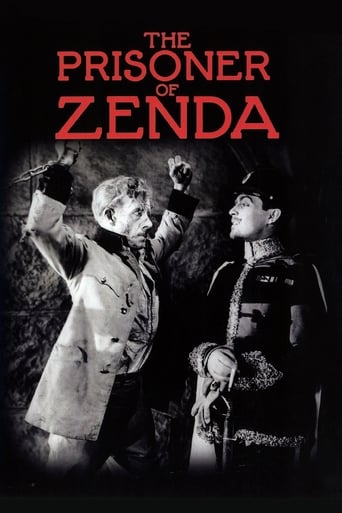
Titles linked here include The Four Horsemen of the Apocalypse (1921), The Prisoner of Zenda (1922).
When was Stuart Holmes born and when did he die?
Born March 10, 1884; died December 29, 1964.
What awards did Stuart Holmes win?
While Stuart Holmes did not receive major acting awards during his lifetime, he was honored with a star on the Hollywood Walk of Fame at 1711 Vine Street, recognizing his significant contributions to the film industry.
What was Stuart Holmes's acting style?
Holmes specialized in character acting, particularly villains and authority figures, using expressive facial features and precise gestures in silent films. He successfully adapted to naturalistic sound film acting while maintaining his distinctive presence as a reliable supporting player.
How did Stuart Holmes transition from silent to sound films?
Unlike many silent stars whose careers ended with sound, Holmes successfully transitioned by leveraging his character acting skills and theater background. Though his roles became smaller and often uncredited, he continued working steadily through the 1930s, 1940s, and 1950s.
Who did Stuart Holmes frequently work with?
Holmes frequently collaborated with director Erich von Stroheim and worked alongside stars like Rudolph Valentino, John Gilbert, and Mae Murray. He also worked with major studios including MGM, Paramount, and Universal throughout his extensive career.