
Films
3 films
About Gertrude Welcker
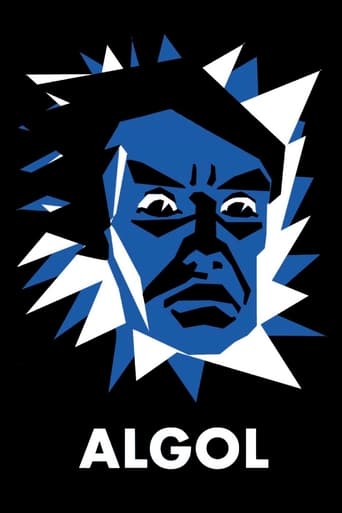
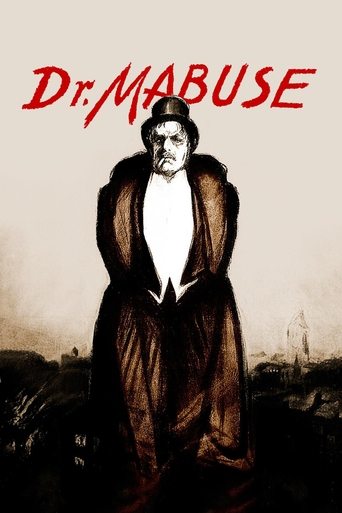
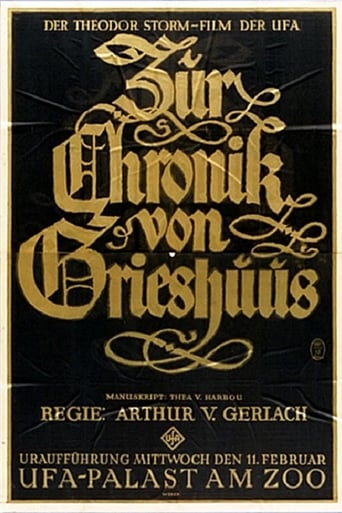
Made her mark during the golden age of German silent cinema in the early 1920s. Gertrude appears in several notable productions during this period, working with some of the most significant directors of the German Expressionist movement. Her most documented role was in Fritz Lang's influential two-part crime epic 'Dr. Mabuse, the Gambler' (1922), where she contributed to the film's exploration of post-war German society and criminal psychology. She also starred in 'Algol: Tragedy of Power' (1920), directed by Hans Werckmeister, which was notable for its science fiction elements and political allegory. Her final known film appearance was in 'The Chronicles of the Gray House' (1925), after which she seemingly disappeared from the film industry. Like many character actors of the silent era, her career was relatively brief but occurred during a critically important period in German cinematic history, just before the transition to sound films and the subsequent changes in the German film industry.
The Craft
On Screen
As a silent film actress from the German Expressionist period, Gertrude Welcker likely employed the exaggerated gestures and dramatic facial expressions characteristic of the era. Her performances would have emphasized visual storytelling through body language and emotive expressions, typical of German silent cinema which often explored psychological themes and social commentary through visual means.
Milestones
- Appeared in Fritz Lang's 'Dr. Mabuse, the Gambler' (1922)
- Starred in 'Algol: Tragedy of Power' (1920)
- Final film appearance in 'The Chronicles of the Gray House' (1925)
- Worked during the German Expressionist period
- Contributed to early German science fiction cinema
Best Known For
Iconic Roles
Must-See Films
Working Relationships
Worked Often With
Studios
Why They Matter
Impact on Culture
Gertrude Welcker contributed to the German Expressionist film movement, which had a profound influence on international cinema, particularly in the realms of film noir and psychological thrillers. Her participation in 'Dr. Mabuse, the Gambler' placed her within. Though her individual contributions may have been modest, she was part of a revolutionary period in filmmaking that established many techniques and narrative approaches still used today.
Lasting Legacy
Gertrude Welcker's legacy is primarily preserved through her appearances in several historically significant German silent films. While she may not have achieved the lasting fame of contemporaries like Marlene Dietrich or Brigitte Helm, her work in films like 'Dr. Mabuse, the Gambler' ensures her place in film history as a contributor to one of cinema's most artistically rich periods. Her performances serve as examples of the acting styles and techniques employed during the German Expressionist era, providing valuable insight into the artistic approaches of silent film actors.
Who They Inspired
As a supporting actress of the silent era, Gertrude Welcker's direct influence on subsequent generations of actors is difficult to trace. However, her participation in groundbreaking films that influenced countless directors and actors worldwide represents an indirect contribution to the evolution of cinema. The German Expressionist films she appeared in helped establish visual and narrative techniques that would be emulated and adapted throughout film history.
Off Screen
Very little is documented about Gertrude Welcker's personal life, which is not uncommon for supporting actors from the silent era, particularly those who worked primarily in German cinema. Like many actors of her generation, detailed biographical information was not systematically preserved, especially for those whose careers were relatively brief and ended before the transition to sound cinema.
Did You Know?
- Appeared in films during the Weimar Republic period, a time of great artistic innovation in German cinema
- Worked with director Fritz Lang during his formative years before he became internationally famous
- Participated in early German science fiction cinema through 'Algol: Tragedy of Power'
- Her active years covered only five years, typical of many silent era actors who did not transition to sound films
- The films she appeared in are now considered classics of German Expressionism
- Like many German actors of her era, her career was likely affected by the political changes of the 1930s
- Her filmography represents a cross-section of genres popular in early 1920s German cinema
- The limited documentation of her life reflects the challenges of preserving film history from the silent era
Frequently Asked Questions
Who was Gertrude Welcker?
German actress who worked in silent films during the early 1920s, appearing in notable German Expressionist productions including Fritz Lang's 'Dr. Mabuse, the Gambler' and 'Algol: Tragedy of Power'.
What films is Gertrude Welcker best known for?
Titles linked here include Dr. Mabuse, the Gambler (1922), Algol: Tragedy of Power (1920).
When was Gertrude Welcker active in films?
Gertrude Welcker was active in the film industry from approximately 1920 to 1925, working exclusively during the silent film era in Germany.
Did Gertrude Welcker work with any famous directors?
Yes, she worked with Fritz Lang,. Mabuse, the Gambler'.
What happened to Gertrude Welcker after 1925?
After her last known film appearance in 1925, Gertrude Welcker seemingly disappeared from the film industry, which was not uncommon for actors of the silent era who did not successfully transition to sound films.
What was German Expressionism in cinema?
German Expressionism was a highly stylized film movement of the 1920s characterized by dramatic lighting, distorted sets, and psychological themes, which influenced film noir and horror genres worldwide.