

Hans Adalbert Schlettow
Actor
Born: June 11, 1888 in Berlin, Germany Died: April 20, 1945 Active: 1920-1945 Birth Name: Hans Adalbert Ferdinand Schlettow
Films
4 films
About Hans Adalbert Schlettow
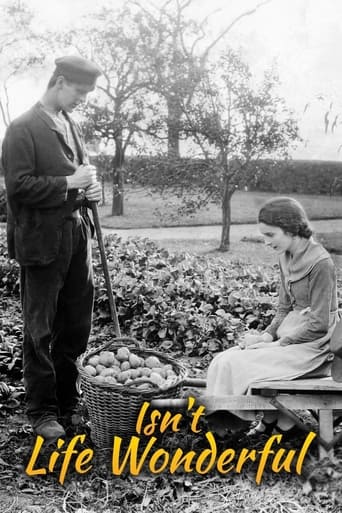
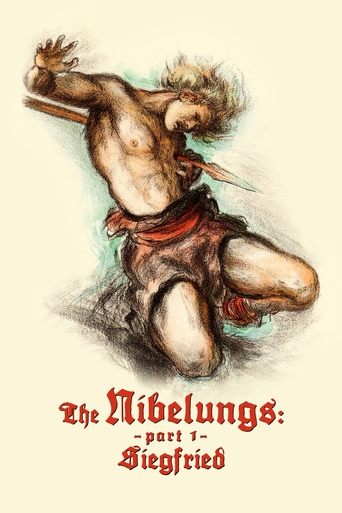
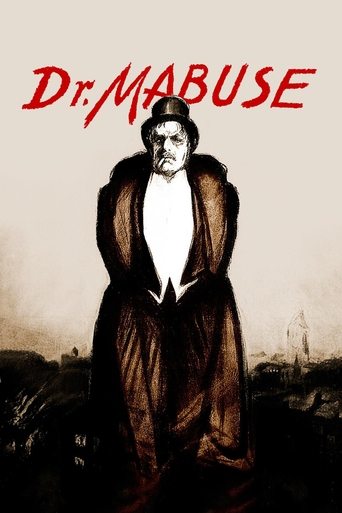
Prominent German character actor during the golden age of silent cinema, best known for his imposing presence and versatile performances in expressionist films. Born in Berlin in 1888, he began his film career in the early 1920s, quickly establishing himself as a reliable supporting actor in Germany's thriving film industry. Schlettow worked with some of the most celebrated directors of his era, including Fritz Lang, appearing in landmark productions that defined German expressionist cinema. His role in Lang's 'Dr. Mabuse, the Gambler' (1922) showcased his ability to portray complex, morally ambiguous characters, while his performance in 'Die Nibelungen: Siegfried' (1924) demonstrated his versatility in epic historical dramas. Interestingly, he also crossed over to work with American director D.W. Griffith in 'Isn't Life Wonderful' (1924), one of the few German actors to do so during this period. Schlettow continued acting through the transition to sound films, though his prominence diminished as the German film industry changed under political pressures in the 1930s. He remained active in smaller roles until his death in Berlin in 1945, leaving behind a legacy of memorable performances in some of cinema's most influential silent films.
The Craft
On Screen
Schlettow was known for his commanding screen presence and ability to portray both authoritarian figures and sympathetic characters. His acting style was typical of the German expressionist school, featuring exaggerated gestures and intense facial expressions that conveyed complex emotions without dialogue. He had a particular talent for playing authority figures, villains, and morally ambiguous characters, using his tall, imposing physique to great effect. His performances were marked by a certain theatrical quality that was characteristic of silent film acting, yet he managed to bring subtlety and nuance to his roles, particularly in his collaborations with Fritz Lang.
Milestones
- Breakthrough role in 'Algol: Tragedy of Power' (1920)
- Collaboration with Fritz Lang on 'Dr. Mabuse, the Gambler' (1922)
- Memorable performance in 'Die Nibelungen: Siegfried' (1924)
- International collaboration with D.W. Griffith in 'Isn't Life Wonderful' (1924)
- Transition to sound films in the early 1930s
- Prolific career spanning over 80 film appearances
Best Known For
Iconic Roles
Must-See Films
Accolades
Special Recognition
- Recognized as a significant contributor to German Expressionist cinema
Working Relationships
Worked Often With
Studios
Why They Matter
Impact on Culture
Hans Adalbert Schlettow contributed significantly to the German expressionist film movement, which revolutionized cinematic visual language and influenced generations of filmmakers worldwide. His work in films like 'Dr. Mabuse, the Gambler' and 'Die Nibelungen' helped establish the visual and thematic conventions of German cinema that would later influence film noir and psychological thrillers. As part of Fritz Lang's regular ensemble, Schlettow participated in creating some of the most technically and artistically innovative films of the silent era. His ability to cross over to work with American director D.W. Griffith demonstrated the international recognition of German cinema during the 1920s. Schlettow's active years covered.
Lasting Legacy
Hans Adalbert Schlettow's legacy lies in his contributions to some of the most influential films of the silent era. While not as widely remembered as leading men like Conrad Veidt or Emil Jannings, his supporting performances were integral to the success of many German expressionist masterpieces. Film historians and cinema enthusiasts recognize his work as part of the extraordinary creative flowering of German cinema in the 1920s. His films continue to be studied in film schools and screened at classic film festivals, ensuring that his performances remain accessible to new generations of cinema lovers. Schlettow represents the generation of character actors who provided the foundation upon which the stars of German cinema could shine, and his work exemplifies the collaborative nature of film artistry during cinema's formative years.
Who They Inspired
Schlettow's influence on subsequent actors is primarily indirect, through his work in films that established new standards for cinematic performance. His portrayals of authority figures and complex antagonists in expressionist films helped create archetypes that would be revisited by countless actors in later decades. The visual and dramatic techniques he employed as part of the German expressionist movement influenced acting styles in film noir and psychological thrillers internationally. While he may not have directly mentored other actors, his performances in Fritz Lang's films served as models for how to convey psychological depth and moral ambiguity through physical presence and subtle gesture. His ability to work effectively in both German and international productions demonstrated the possibilities for cross-cultural artistic collaboration in cinema.
Off Screen
Hans Adalbert Schlettow was born and raised in Berlin, Germany, during the reign of Kaiser Wilhelm II. He came of age during World War I and began his acting career during the turbulent Weimar Republic period. Like many German actors of his generation, he witnessed the dramatic political and social changes that shaped Germany in the first half of the 20th century. His career coincided with the golden age of German cinema, and he was part of the remarkable artistic community that created some of cinema's most enduring masterpieces. He died in Berlin in the final days of World War II, as the city was falling to Soviet forces.
Education
Family
- Information not available in historical records
Did You Know?
- His full birth name was Hans Adalbert Ferdinand Schlettow
- He was one of the few German actors to work with American director D.W. Griffith
- Appeared in over 80 films during his 25-year career
- Worked during three distinct political periods in Germany: Imperial, Weimar Republic, and Nazi Germany
- His death occurred during the Battle of Berlin in the final days of World War II
- Often typecast as authority figures due to his tall, imposing stature
- Part of the regular ensemble of actors favored by director Fritz Lang
- His film 'Algol: Tragedy of Power' (1920) is considered one of the earliest science fiction films
- Survived the transition from silent to sound films, unlike many of his contemporaries
- His work in 'Die Nibelungen' was part of
In Their Own Words
No documented famous quotes are available from Hans Adalbert Schlettow, as was common for character actors of the silent era
Frequently Asked Questions
Who was Hans Adalbert Schlettow?
German character with credits in this catalog. He appeared in notable productions including Fritz Lang's 'Dr. Mabuse, the Gambler' and 'Die Nibelungen,' as well as D.W. Griffith's 'Isn't Life Wonderful.'
What films is Hans Adalbert Schlettow best known for?
Titles linked here include Dr. Mabuse, the Gambler (1922), Die Nibelungen: Siegfried (1924).
When was Hans Adalbert Schlettow born and when did he die?
Born June 11, 1888; died April 20, 1945.
What awards did Hans Adalbert Schlettow win?
There are no documented major awards or nominations for Hans Adalbert Schlettow, which was common for character actors of his era. His recognition comes primarily from his contributions to historically significant films rather than formal accolades.
What was Hans Adalbert Schlettow's acting style?
Schlettow's acting style was characteristic of German expressionist cinema, featuring exaggerated gestures and intense facial expressions suitable for silent films. He specialized in portraying authority figures and complex characters, using his imposing physical presence to convey power and moral ambiguity.
Did Hans Adalbert Schlettow work with famous directors?
Yes, Schlettow worked with several renowned directors, most notably Fritz Lang in multiple films including 'Dr. Mabuse, the Gambler' and 'Die Nibelungen.' He also collaborated with Hans Werckmeister on 'Algol' and American director D.W. Griffith on 'Isn't Life Wonderful.'
How did Hans Adalbert Schlettow's career evolve over time?
Schlettow began his career during the peak of German expressionist cinema in the early 1920s, transitioned successfully to sound films in the early 1930s, and continued working through the Nazi era. While his prominence decreased in later years, he maintained steady employment as a character actor until his death in 1945.