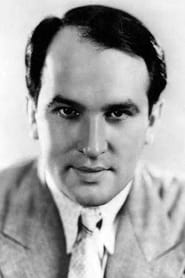
William Dieterle
Actor & Director
Born: July 15, 1893 in Ludwigshafen, German Empire Died: December 9, 1972 Active: 1921-1968 Birth Name: Wilhelm Dieterle
Films
5 films
About William Dieterle
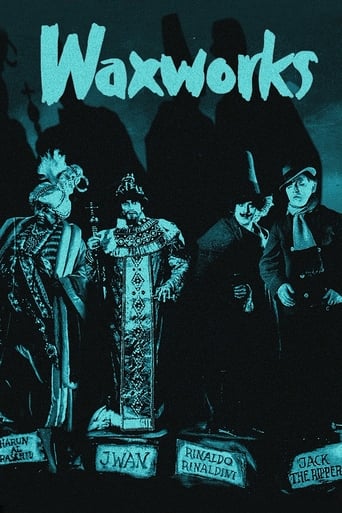
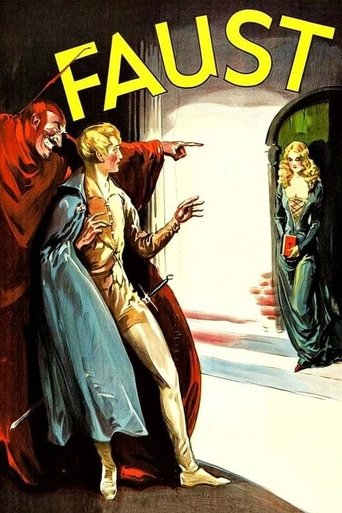
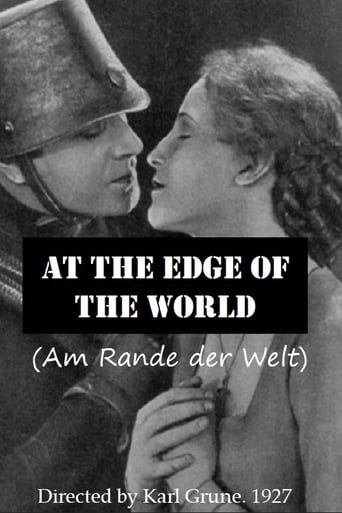
William Dieterle was born Wilhelm Dieterle in Ludwigshafen, Germany, and began his career as an actor in German theater and silent films during the early 1920s. He worked with German directors like F.W. Murnau, appearing in Expressionist classics such as 'Faust' (1926) and 'Waxworks' (1924). Dieterle transitioned to directing in Germany in the late 1920s, helming several films before emigrating to the United States in 1930 as the Nazi regime rose to power. In Hollywood, he became one of Warner Bros.' most reliable directors, specializing in lavish biographical films and socially conscious dramas that earned critical acclaim and commercial success. His 1937 film 'The Life of Emile Zola' won the Academy Award for Best Picture, cementing his reputation in Hollywood. Throughout his career, Dieterle directed over 60 films in both Germany and America, known for his visual flair and ability to handle complex historical subjects. After World War II, he returned to Europe to direct several films before retiring in the late 1960s. He spent his final years in Germany, where he died in 1972, leaving behind a legacy as a bridge between German Expressionism and classical Hollywood cinema.
The Craft
On Screen
As an actor in German Expressionist films, Dieterle embodied the exaggerated, gestural style characteristic of the movement. His performances featured dramatic facial expressions, stylized body movements, and an intense emotional range that complemented the surreal visual aesthetics of Expressionist cinema. In films like 'Faust' and 'Waxworks,' he demonstrated remarkable physical versatility, able to convey complex psychological states through movement and posture rather than relying on dialogue. His background in theater informed his screen presence, bringing a theatrical gravitas to his silent film roles that made him memorable even in supporting parts.
Behind the Camera
Dieterle's directing style blended German Expressionist visual techniques with Hollywood narrative sophistication. He was known for his elaborate production design, dramatic lighting, and innovative camera movements that created atmospheric, visually striking films. As a director of biographical pictures, he pioneered techniques for making historical subjects accessible and dramatic to mass audiences, often using elaborate sets and period detail to create immersive historical worlds. His films frequently addressed social justice themes, particularly in his Warner Bros. Period where he tackled subjects like anti-Semitism and scientific ethics. Dieterle was particularly adept at handling large-scale productions with multiple characters and complex storylines, maintaining narrative clarity while delivering visual spectacle.
Milestones
- Breakthrough acting role in F.W. Murnau's 'Faust' (1926)
- Transitioned to directing in Germany with 'The Golden Road' (1925)
- Emigrated to Hollywood in 1930, signed by Warner Bros.
- Directed 'The Story of Louis Pasteur' (1936) starring Paul Muni
- Won Academy Award for Best Picture as director of 'The Life of Emile Zola' (1937)
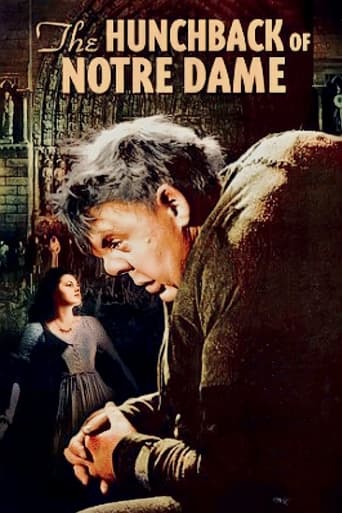
- Directed 'The Hunchback of Notre Dame' (1939) with Charles Laughton
- Created acclaimed biopics 'Juarez' (1939) and 'All That Money Can Buy' (1941)
- Returned to Germany to direct 'The Confessions of Felix Krull' (1957)
Best Known For
Iconic Roles
Must-See Films
Accolades
Won
- Academy Award for Best Picture (as director) - The Life of Emile Zola (1937)
- Venice Film Festival Volpi Cup - Best Director - The Life of Emile Zola (1937)
- New York Film Critics Circle Award for Best Director - The Life of Emile Zola (1937)
- National Board of Review Award for Best Film - The Life of Emile Zola (1937)
Nominated
- Academy Award nomination for Best Director - The Life of Emile Zola (1937)
- Academy Award nomination for Best Director - The Story of Louis Pasteur (1936)
- Academy Award nomination for Best Director - Juarez (1939)
- Venice Film Festival Golden Lion nomination - The Hunchback of Notre Dame (1939)
- Directors Guild of America Award nomination - Outstanding Directorial Achievement - The Life of Emile Zola (1937)
Special Recognition
- Star on Hollywood Walk of Fame for motion pictures
- Retrospective at Museum of Modern Art (1972)
- Career Achievement Award from Los Angeles Film Critics Association (1971)
- Honored at Berlin International Film Festival (1965)
Working Relationships
Worked Often With
Studios
Why They Matter
Impact on Culture
William Dieterle played a crucial role in bringing German Expressionist aesthetics to Hollywood, influencing the visual language of American cinema. His biographical films established a template for the genre that would dominate Hollywood for decades, combining historical accuracy with dramatic entertainment. Dieterle was among the first directors to successfully address social issues like anti-Semitism ('The Life of Emile Zola') and scientific ethics ('The Story of Louis Pasteur') in mainstream Hollywood films. His work helped establish Warner Bros.' reputation for socially conscious filmmaking during the 1930s. As an émigré director, he was part of the wave of European talent that transformed Hollywood during the Golden Age, bringing new artistic perspectives and techniques to American cinema. His films often championed intellectual freedom and social justice, reflecting his own experience fleeing Nazi Germany.
Lasting Legacy
William Dieterle's legacy endures through his influential biographical films and his role as a cultural bridge between German and American cinema. His visual style, combining Expressionist techniques with Hollywood production values, influenced generations of filmmakers. Dieterle's biopics remain models for the genre, demonstrating how to make historical subjects compelling for mass audiences. His work is regularly studied in film schools for its artistic merits and historical significance. Several of his films, particularly 'The Life of Emile Zola' and 'The Hunchback of Notre Dame,' are considered classics of the Golden Age. Dieterle's career trajectory from German actor to Hollywood director exemplifies the transatlantic exchange of talent that enriched both European and American cinema. His films continue to be shown at film festivals and retrospectives, maintaining his reputation as a significant director of the classical Hollywood era.
Who They Inspired
Dieterle influenced the biographical film genre through his innovative approach to making historical figures accessible to mainstream audiences. His visual techniques, particularly his use of lighting and composition, influenced film noir directors in the 1940s. Directors like Richard Attenborough ('Gandhi') and Oliver Stone ('JFK') have cited Dieterle's biopics as inspiration for their own historical films. His success as an émigré director paved the way for other European filmmakers in Hollywood. Dieterle's ability to combine artistic merit with commercial success influenced studio executives to take more risks on ambitious, socially relevant projects. His work with actors, particularly in eliciting powerful performances in biographical roles, influenced acting methodologies in Hollywood.
Off Screen
William Dieterle married twice during his lifetime. His first marriage was to German actress Charlotte Hagenbruch in 1921, with whom he emigrated to the United States. The couple divorced in 1932. In 1937, he married Elisabeth Daum, a marriage that lasted until his death. Dieterle was known as a private individual who rarely discussed his personal life in interviews. He maintained homes in both Los Angeles and Germany, reflecting his dual cultural identity. Despite his success in Hollywood, he never fully abandoned his German roots and returned frequently to Europe, especially in his later years.
Education
Largely self-taught through theater experience; attended acting school in Mannheim, Germany as a teenager
Family
- Charlotte Hagenbruch (1921-1932)
- Elisabeth Daum (1937-1972)
Did You Know?
- Began his career as a stage actor at age 16
- Changed his name from Wilhelm to William when he came to America
- Spoke fluent English with a noticeable German accent throughout his life
- Was one of the few directors to successfully transition from German to Hollywood cinema
- Often worked under the pseudonym 'William Dieterle' in America but used 'Wilhelm Dieterle' for European productions
- His film 'All That Money Can Buy' (1941) was originally titled 'The Devil and Daniel Webster'
- Was briefly considered to direct 'Casablanca' before Michael Curtiz was chosen
- Returned to Germany in the 1950s to revive his European career
- Was a member of the anti-Nazi organization in Hollywood before America entered WWII
- His first American film as director was 'The Last Flight' (1931)
- Was known for his meticulous preparation and extensive historical research for biographical films
In Their Own Words
A film must have a soul, otherwise it is just a series of moving pictures.
In America, I learned that art and commerce can walk hand in hand if you have the courage to believe in your vision.
The camera is not just a recording device; it is an instrument of truth and poetry.
When you make a film about a real person, you owe them the truth, even when you must create the drama.
German Expressionism taught me that shadows are as important as light in revealing character.
Frequently Asked Questions
Who was William Dieterle?
German-American actor and on YTB.my. He was particularly known for his biographical films and visual directing style, winning the Academy Award for Best Picture for 'The Life of Emile Zola' (1937).
What films is William Dieterle best known for?
Titles linked here include The Life of Emile Zola (1937), The Hunchback of Notre Dame (1939).
When was William Dieterle born and when did he die?
Born July 15, 1893; died December 9, 1972.
What awards did William Dieterle win?
Dieterle won the Academy Award for Best Picture as director of 'The Life of Emile Zola' (1937), and received the Venice Film Festival Volpi Cup for Best Director for the same film. He was nominated for the Academy Award for Best Director three times and received numerous other honors including a star on the Hollywood Walk of Fame.
What was William Dieterle's directing style?
Dieterle's directing style combined German Expressionist visual techniques with Hollywood narrative sophistication. He was known for elaborate production design, dramatic lighting, and innovative camera movements. His films often addressed social justice themes and he specialized in making biographical subjects accessible and dramatic for mass audiences.