Films
1 film
About Ernst Legal
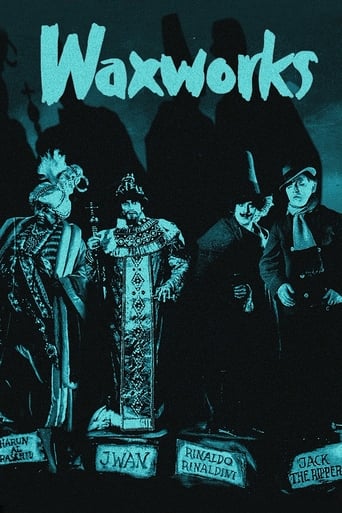
This archive lists one role for Ernst Legal: Waxworks (1924). His most notable and perhaps only documented film appearance was in the 1924 anthology horror film 'Waxworks' (Das Wachsfigurenkabinett), directed by Paul Leni. This film was part of the golden age of German cinema, produced during the Weimar Republic when German films were internationally acclaimed for their artistic innovation and psychological depth. Legal's career appears to have been extremely brief, with documented activity confined to the year 1924, suggesting he may have been a character actor or someone who had a very short tenure in the film industry. The fact that he appeared in such a significant film as 'Waxworks' indicates he was part of the prestigious German film industry at its creative peak, though details about his other potential roles or stage work remain scarce. Like many actors from this era, particularly those with limited filmographies, much of Legal's personal and professional history has been lost to time, leaving 'Waxworks' as his primary legacy in cinema history.
The Craft
Best Known For
Iconic Roles
Must-See Films
Working Relationships
Worked Often With
Why They Matter
Impact on Culture
Ernst Legal's cultural impact is primarily tied to his participation in 'Waxworks' (1924), one of the landmark films of German Expressionist cinema. While his individual contribution may have been small, being part of such an influential film places him within the context of a revolutionary period in film history. 'Waxworks' is studied today for its innovative visual techniques, psychological horror elements, and its place in the development of the horror genre. Legal's appearance in this film means he contributed, however briefly, to a work that influenced countless filmmakers and helped establish visual and narrative techniques that would become staples of cinema. The film itself represents the artistic flowering of Weimar Germany's film industry, a period that produced some of cinema's most enduring masterpieces.
Lasting Legacy
Ernst Legal's legacy is that of a minor participant in. While he may not have achieved individual fame or recognition, his name is preserved in film history through his association with 'Waxworks'. For film historians and enthusiasts of silent cinema, Legal represents the many supporting actors and character players who contributed to the richness of classic films but whose personal stories have largely been lost to time. His inclusion in the cast of such a significant film ensures that he will be remembered, however peripherally, as part of the golden age of German cinema. The film itself continues to be screened at film festivals, studied in academic settings, and appreciated by cinema enthusiasts, keeping Legal's name alive in film history.
Who They Inspired
Due to the extremely limited documentation of Ernst Legal's career and life, it's difficult to assess his influence on other actors or filmmakers. As someone who appeared in only one documented film during a brief period, his direct influence on the industry was likely minimal. However, his participation in 'Waxworks' means he was part of a film that influenced many subsequent directors and actors in the horror and fantasy genres. The film's innovative visual style and psychological approach to horror influenced filmmakers from Universal's horror classics of the 1930s to modern directors. Legal, as part of this influential work, indirectly contributed to this legacy, though his personal influence on other performers remains undocumented.
Off Screen
Very little is known about Ernst Legal's personal life, which is not uncommon for supporting actors from the silent era who had brief film careers. Given the limited documentation of his life and career, it's possible he may have been primarily a stage actor who only briefly ventured into film, or someone who left the entertainment industry shortly after his appearance in 'Waxworks'. The lack of biographical information suggests he did not achieve the level of fame that would have warranted extensive documentation in film history books or entertainment publications of the time.
Did You Know?
- Ernst Legal appeared in 'Waxworks' during the peak of German Expressionist cinema
- His film career appears to have lasted only one year according to documented records
- 'Waxworks' was directed by Paul Leni, who later moved to Hollywood and directed 'The Cat and the Canary'
- The film featured three stories based on wax figures, with Legal appearing in one of the segments
- Despite the film's importance, very little is known about most of its supporting cast members, including Legal
- The film was produced during the Weimar Republic, a golden age for German cinema
- Legal's co-stars in the film included major German actors like Emil Jannings and Conrad Veidt
- The film's visual style influenced horror cinema for decades to come
Frequently Asked Questions
Who was Ernst Legal?
German with credits in this catalog. His documented film career appears to have been extremely brief, confined to the year 1924, making him one of many supporting actors from classic cinema whose personal histories remain largely undocumented.
What films is Ernst Legal best known for?
Titles linked here include Waxworks (1924).
When was Ernst Legal born and when did he die?
Unfortunately, specific birth and death dates for Ernst Legal are not documented in available historical records. Like many supporting actors from the silent era who had brief careers, basic biographical information about Legal has been lost to time, with his film appearance in 1924 being the primary documented fact about his life.
What awards did Ernst Legal win?
There are no documented awards or nominations for Ernst Legal. Given his extremely brief film career and the limited documentation of his life and work, he does not appear to have received formal recognition or awards during his time in the film industry.
What was Ernst Legal's acting style?
Due to the limited documentation of Ernst Legal's career and the fact that he appeared in only one known film, there is insufficient information to describe his specific acting style. As someone working in German Expressionist cinema, he would have been part of a movement known for its exaggerated gestures and psychological intensity, but his individual approach remains undocumented.