Leo Birinski
Director
Born: June 8, 1884 in Lemberg, Austria-Hungary (now Lviv, Ukraine) Died: October 23, 1951 Active: 1905-1950 Birth Name: Leopold Birinski
Films
1 film
About Leo Birinski
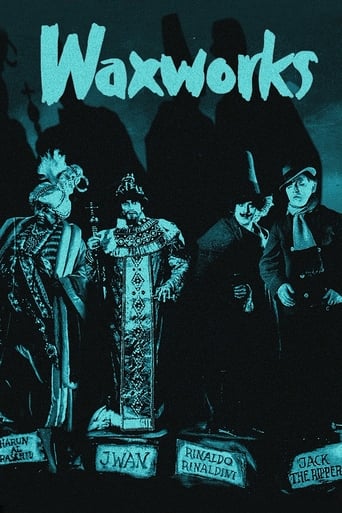
Made significant contributions to European and American cinema during the silent era and early sound period. Born in Lemberg, Austria-Hungary (now Lviv, Ukraine), he began his career as a successful playwright in Vienna and Berlin, writing numerous acclaimed plays that explored psychological themes and social commentary. In the 1920s, he transitioned to film writing, contributing to several notable German productions, including the story for the influential Expressionist film 'Waxworks' (1924). With the rise of Nazism, Birinski fled Europe and eventually settled in the United States, where he continued writing for Hollywood studios, though with less success than in his European period. His work often delved into dark, psychological themes and moral ambiguities, reflecting the tumultuous times in which he lived. Despite his significant contributions to early cinema, particularly in German Expressionism, Birinski's legacy has been somewhat overshadowed by more famous directors and actors of the era.
The Craft
Milestones
- Wrote successful plays in Vienna and Berlin (1910s)
- Contributed story for 'Waxworks' (1924)
- Wrote screenplay for 'The Hunchback of Notre Dame' (1923)
- Fled Nazi Germany and emigrated to United States
- Worked as screenwriter in Hollywood during 1930s-1940s
Best Known For
Must-See Films
Accolades
Special Recognition
- Recognized as significant contributor to German Expressionist cinema
- Honored in Austrian literary history for his dramatic works
Working Relationships
Worked Often With
Studios
Why They Matter
Impact on Culture
Leo Birinski's work significantly influenced German Expressionist cinema through his psychologically complex narratives and dark, atmospheric storytelling. His contribution to 'Waxworks' helped establish the anthology film format and demonstrated how literary techniques could enhance visual storytelling. His plays, which often explored themes of identity, morality, and social alienation, reflected the anxieties of pre-war and interwar European society. Though his Hollywood work was less celebrated, his European contributions remain important to understanding the development of early 20th century dramatic writing and cinema.
Lasting Legacy
Leo Birinski's legacy lies primarily in his bridge between literary theater and early cinema, particularly in the German Expressionist movement. His plays are studied in European literature courses as examples of early modernist drama that blended psychological realism with theatrical innovation. In cinema history, he's remembered for his story contributions to films that helped define the visual and thematic language of Expressionism. Despite being less famous than directors like Lang or Murnau, Birinski's writing provided the psychological depth and narrative complexity that made these films enduring classics.
Who They Inspired
Birinski influenced subsequent generations of screenwriters through his sophisticated approach to psychological storytelling and his ability to adapt literary techniques to cinema. His work demonstrated how complex character motivations and moral ambiguity could enhance visual narratives, influencing film noir and psychological thrillers in later decades. European playwrights and screenwriters, particularly those working in the Expressionist tradition, drew inspiration from his blend of psychological depth and dramatic tension.
Off Screen
Leo Birinski was born into a Jewish family in Lemberg and spent his early career in Vienna and Berlin, becoming. He was married twice, though details about his spouses are limited in historical records. With the rise of antisemitism and the Nazi regime in Germany, Birinski was forced to flee Europe, eventually settling in New York City where he lived until his death in 1951. His later years in America were marked by financial difficulties and a struggle to replicate his European success in Hollywood.
Education
Educated in Lemberg and Vienna; studied literature and philosophy at university level
Family
- First spouse (details unavailable)
- Second spouse (details unavailable)
Did You Know?
- Contrary to the initial identification, Leo Birinski was primarily a playwright and screenwriter, not a director
- His play 'The Miracle' was
- He wrote in multiple languages including German, Polish, and English
- His original surname was Birnbaum before he changed it to Birinski
- During his Hollywood years, he often wrote under pseudonyms
- His plays were banned by the Nazi regime due to his Jewish heritage and modernist themes
- He was one of many European Jewish artists who fled to America during the 1930s
- His early plays were known for their controversial themes and frank treatment of sexuality
- He struggled financially in his later years despite his earlier success
In Their Own Words
The stage is not merely a platform for entertainment, but a mirror to the soul of society
In darkness, we find the truest light of human understanding
Every story worth telling must contain within it the seeds of its own destruction
Frequently Asked Questions
Who was Leo Birinski?
Austrian playwright and screenwriter who made significant contributions to European theater and German Expressionist cinema during the early 20th century. He wrote numerous successful plays and contributed to classic films like 'Waxworks' (1924) before fleeing Nazi Germany and working in Hollywood.
What films is Leo Birinski best known for?
Titles linked here include Waxworks (1924), The Hunchback of Notre Dame (1923).
When was Leo Birinski born and when did he die?
Born June 8, 1884; died October 23, 1951.
What awards did Leo Birinski win?
While Leo Birinski did not receive major formal awards during his lifetime, he is recognized in film and literary history as a significant contributor to German Expressionist cinema and early 20th century European drama.
What was Leo Birinski's writing style?
Birinski's writing style was characterized by psychological depth, moral complexity, and dark, atmospheric themes. His work often explored identity, alienation, and the darker aspects of human nature, making him well-suited to the Expressionist movement in both theater and cinema.