
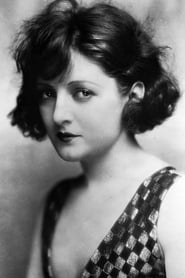
Lya De Putti
Actor
Born: January 10, 1897 in Veszprém, Austria-Hungary (now Hungary) Died: November 27, 1931 Active: 1918-1929 Birth Name: Amália Mária Róza Putti
Films
6 films


About Lya De Putti
Hungarian silent film actress who rose to international stardom in the 1920s — known for her exotic beauty and intense screen presence. Born Amália Mária Róza Putti, she began her career as a dancer in Budapest before transitioning to acting in German cinema. Her breakthrough came with roles in German Expressionist films, where her striking features and dramatic intensity made her a favorite of directors like F.W. Murnau and Fritz Lang. In 1926, she was brought to Hollywood by Paramount Pictures, where she was positioned as a rival to Pola Negri, though her American career was relatively brief. De Putti struggled with the transition to sound films due to her thick Hungarian accent, which contributed to her declining career in the late 1920s. She made her final film appearance in 1929 before returning to Europe, where her life was tragically cut short by pneumonia at age 34. Despite her brief career, she in silent cinema history, remembered for her memorable performances in both European and American films.
The Craft
On Screen
De Putti was known for her intense, expressive acting style typical of the silent era, characterized by dramatic gestures and emotive facial expressions. She specialized in playing exotic, mysterious women and femme fatale roles, using her striking features and hypnotic gaze to create memorable screen presence. Her performances often incorporated elements of her dance background, lending a graceful, almost predatory quality to her movements. In German Expressionist films, she adapted her style to suit the genre's heightened emotional demands, while in Hollywood productions, she toned down her approach for American audiences.
Milestones
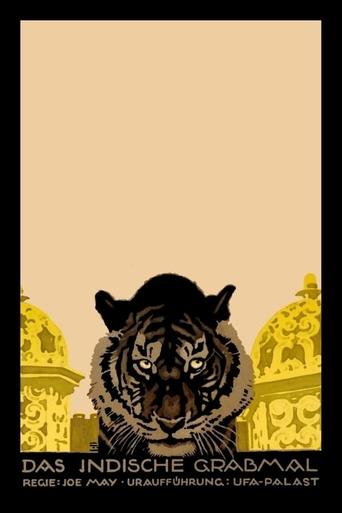
- Breakthrough role in 'The Indian Tomb' (1921)
- Starring in F.W. Murnau's 'Phantom' (1922)
- Hollywood contract with Paramount Pictures (1926)
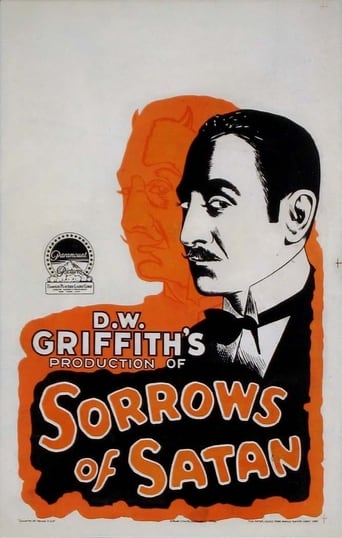
- Leading role in 'The Sorrows of Satan' (1926)
- Transition from European to American cinema
Best Known For
Iconic Roles
Must-See Films
Accolades
Special Recognition
- Star on the Hollywood Walk of Fame (posthumously)
Working Relationships
Worked Often With
Studios
Why They Matter
Impact on Culture
Lya De Putti represented the archetype of the exotic European vamp that captivated American audiences in the 1920s. Her transition from German Expressionist cinema to Hollywood illustrated the international flow of talent during the silent era. She was part of the wave of European actresses who brought sophistication and worldly glamour to American films, influencing Hollywood's conception of female sexuality and mystery. Her struggles with the transition to sound highlighted the challenges faced by many foreign actors in the early talkie era, making her career a cautionary tale about the industry's rapid technological changes.
Lasting Legacy
Despite her brief career and early death, Lya De Putti remains an important figure in silent cinema history, particularly in German Expressionist film. Her performances in films like 'Phantom' and 'The Indian Tomb' are studied by film scholars as examples of the silent era's acting techniques and visual storytelling. She is remembered as one of the many talented artists whose careers were disrupted by the coming of sound, representing the international nature of 1920s cinema. Film preservationists have worked to restore her surviving films, ensuring that her contributions to cinema history are not forgotten. Her story serves as a reminder of the transient nature of fame in early Hollywood and the challenges faced by foreign actors in the American film industry.
Who They Inspired
De Putti's screen persona influenced subsequent generations of actresses playing exotic and mysterious roles. Her dramatic style and visual presence in German Expressionist films contributed to the development of the femme fatale archetype in cinema. Her career trajectory influenced how Hollywood studios approached the recruitment and marketing of foreign talent. The challenges she faced with the transition to sound films informed the industry's approach to accent training and voice coaching for international actors in the early talkie period.
Off Screen
Lya De Putti's personal life was marked by multiple marriages and relationships with prominent figures in the film industry. She married three times: first to Hungarian actor Zoltán Sztrókay, then to Austrian writer and director Ludwig Lohner, and finally to Dr. Julius Edler von Székely, a Hungarian physician. Her relationships were often tumultuous and received considerable media attention. She had no children. After her Hollywood career declined, she returned to Europe and struggled financially and emotionally. Her death from pneumonia in 1931 was widely reported in film industry publications, with many mourning the loss of a talented actress whose career had been cut tragically short.
Education
Trained as a dancer in Budapest, studied at the Hungarian Royal Academy of Music and Drama's dance department
Family
- Zoltán Sztrókay (1918-1920)
- Ludwig Lohner (1922-1924)
- Dr. Julius Edler von Székely (1925-1928)
Did You Know?
- She was originally a ballet dancer before becoming an actress
- Her stage name 'Lya' was created by combining the first letters of her birth name Amália
- She was discovered by director Joe May while performing in a Budapest cabaret
- Paramount Pictures promoted her as 'The Hungarian Vamp' to rival Pola Negri
- She spoke five languages fluently: Hungarian, German, English, French, and Italian
- Her thick Hungarian accent made the transition to sound films extremely difficult
- She died penniless in a New York hospital room
- Her final film was a British production called 'The Wrecker' (1929)
- She was one of the highest-paid European actresses of her time
- Her exotic looks were often compared to those of Theda Bara, though her acting style was more subtle
- She appeared in over 30 films during her 11-year career
- Her death certificate listed her occupation as 'actress' despite not having worked in films for two years
In Their Own Words
The camera is my truest friend - it understands me without words
In America, they want you to be either a saint or a sinner. I prefer to be both
Silence on screen speaks louder than any words could
My eyes have always been my fortune - they tell stories my lips cannot
To be mysterious is not to be dishonest, but to be interesting
Frequently Asked Questions
Who was Lya De Putti?
Hungarian silent film actress who achieved international fame in the 1920s, known for her exotic beauty and roles in German Expressionist films and early Hollywood productions. She was particularly famous for playing mysterious and seductive characters in films like 'Phantom' and 'The Sorrows of Satan'.
What films is Lya De Putti best known for?
Titles linked here include The Indian Tomb (1921), Phantom (1922).
When was Lya De Putti born and when did she die?
Born January 10, 1897; died November 27, 1931.
What awards did Lya De Putti win?
During her lifetime, Lya De Putti did not receive any major film awards, as the award systems we know today were not yet established during the silent era. However, she received posthumous recognition with a star on the Hollywood Walk of Fame, acknowledging her contributions to cinema history.
What was Lya De Putti's acting style?
De Putti was known for her intense, dramatic acting style typical of the silent era, characterized by expressive gestures and emotive facial expressions. She specialized in exotic, mysterious roles, using her striking features and dance background to create a hypnotic screen presence that was particularly effective in German Expressionist films.
Why did Lya De Putti's career end so early?
Her career ended primarily due to two factors: the transition to sound films in the late 1920s, which was difficult for her due to her thick Hungarian accent, and her declining health. She made her last film in 1929 and died just two years later, unable to adapt to the new era of talking pictures.
How did Lya De Putti influence cinema?
She influenced cinema by helping establish the femme fatale archetype in silent films, particularly in German Expressionist cinema. Her career demonstrated both the international nature of 1920s filmmaking and the challenges foreign actors faced with technological changes in the industry, making her a significant figure in film history.