
Films
5 films
About Grete Berger
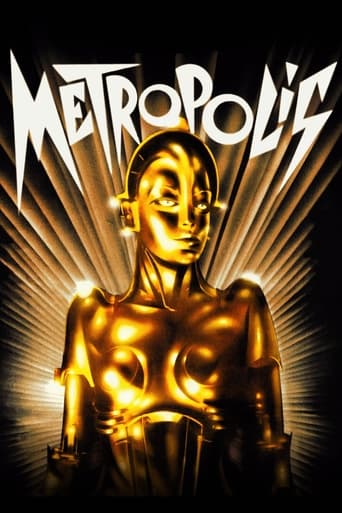
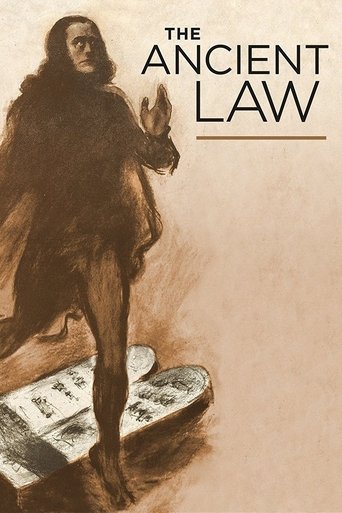
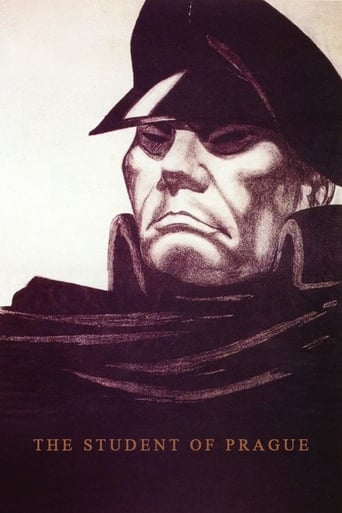
German silent-era actor: screen career unfolded during artistically adventurous periods in European cinema. She is best remembered for a small but significant group of roles in expressionist and prestige productions, especially The Student of Prague (1913), Phantom (1922), The Ancient Law (1923), and Fritz Lang’s Metropolis (1927). Berger worked in an era when actors often moved between stage and screen, and her surviving filmography suggests she was valued for her ability to convey mood, dignity, and emotional complexity in visually stylized films. Because many silent films have been lost and production records are incomplete, her full career is not as thoroughly documented as those of the major stars of the era. Even so, her name remains associated with landmark German cinema, particularly works that helped define the visual language of expressionism and early international art film. Her screen appearances place her within a crucial generation of performers who bridged pre-World War I cinema and the mature silent film artistry of the 1920s. As with many women of the silent era, her legacy survives primarily through film credits and the historical importance of the productions in which she appeared.
The Craft
On Screen
Available evidence suggests Grete Berger worked in the restrained yet highly expressive mode typical of silent-era German cinema. Her performances would have depended on facial expression, body language, and carefully calibrated gesture to communicate character psychology without spoken dialogue. In expressionist and prestige productions, actors were often required to balance heightened visual style with emotional clarity, and Berger’s casting in major films implies she could adapt to that aesthetic. Because only limited documentation survives, it is not possible to describe her technique in precise detail, but her career indicates competence in the visually sophisticated performance style favored by German filmmakers of the 1910s and 1920s.
Milestones
- Appeared in The Student of Prague (1913), one of the foundational works of German fantasy cinema and an early landmark of feature-length film production.
- Acted in Paul Wegener’s Phantom (1922), a major expressionist-era film associated with German screen realism and psychological stylization.
- Featured in The Ancient Law (1923), a notable film in German cinema history for its cultural and dramatic significance.
- Took part in Fritz Lang’s Metropolis (1927),.
- Built a career within the German silent film industry during its most innovative period, contributing to works that remain central to film history.
- Participated in productions that helped establish the international reputation of Weimar-era cinema.
- Represents the important but often under-documented group of silent film performers whose work survives mainly through film credits and archival records.
Best Known For
Iconic Roles
Must-See Films
Working Relationships
Worked Often With
Studios
Why They Matter
Impact on Culture
Grete Berger’s cultural impact lies less in celebrity stardom than in her participation in a handful of films that are now cornerstones of silent-era film history. By appearing in works such as The Student of Prague, Phantom, The Ancient Law, and Metropolis, she became part of the creative ecosystem that defined German expressionism and the international prestige of Weimar cinema. These films shaped later ideas about cinematic atmosphere, visual symbolism, urban futurism, and psychological drama, and every participant in them contributed to their historical significance. Berger’s career is representative of the many actors whose performances helped make silent cinema a sophisticated art form, even when their individual names did not become widely famous. Her presence in these productions also underscores the collaborative nature of early film history, where supporting performers were essential to the power and credibility of stylized narratives.
Lasting Legacy
Grete Berger’s lasting legacy is her association with some of the most influential films of the silent era, especially Metropolis, which remains. Her career provides a reminder that film history is built not only by major stars and directors but also by performers whose contributions supported landmark works and helped establish enduring cinematic traditions. Because much of silent cinema has been lost or survives incompletely, her legacy is partly archival: she stands as a documented participant in a formative period of German filmmaking. For historians and classic film enthusiasts, Berger represents the many capable actors whose careers helped define the texture, seriousness, and visual sophistication of early European cinema. Her surviving credits ensure that her name continues to appear in discussions of expressionist and Weimar-era film culture.
Who They Inspired
Grete Berger influenced cinema primarily through participation rather than through a widely documented public persona or acting school. Her screen work helped reinforce the performance standards of German silent film, where actors had to integrate with elaborate mise-en-scène, symbolic lighting, and emotionally concentrated storytelling. By appearing in films associated with directors like Fritz Lang and Paul Wegener, she contributed to the ensemble traditions that later actors and filmmakers studied when examining expressionist performance. Her influence is therefore historical and contextual: she is part of the lineage of performers whose work demonstrated how silent acting could be both precise and psychologically resonant.
Off Screen
Publicly available biographical information about Grete Berger is limited, and reliable details about her private life, family background, marriages, or later years are not readily documented in standard film references. Unlike some of the best-known stars of the silent era, she does not appear to have left a substantial trail of interviews, memoirs, or press coverage that would allow for a fuller reconstruction of her personal life. The surviving record primarily preserves her professional identity as a German film actor active between 1913 and 1927. As a result, many aspects of her life remain uncertain or undocumented in mainstream sources.
Did You Know?
- Grete Berger is best remembered today for appearing in several major German silent films rather than for a large surviving star persona.
- Her filmography places her in the center of the German expressionist and Weimar cinema boom.
- The Student of Prague (1913) is one of the earliest feature-length films in German cinema history, making her an early participant in the medium’s development.
- Metropolis (1927), one of her best-known credits, is frequently cited among the greatest science-fiction films ever made.
- Many silent-era performers, including Berger, are difficult to research because production records and press coverage were often incomplete or later lost.
- Her surviving screen career spans the transition from early German feature filmmaking to the grand, stylized productions of the late silent era.
- She is a good example of a historically important actor whose name is known mainly through film credits and archival scholarship.
- Berger’s work connects her to both fantasy and expressionist traditions in German film.
Frequently Asked Questions
Who was Grete Berger?
German silent-film with credits in this catalog. She is best known for appearing in important German cinema titles such as The Student of Prague, Phantom, The Ancient Law, and Metropolis.
What films is Grete Berger best known for?
Titles linked here include The Student of Prague (1913), Phantom (1922).
When was Grete Berger born and when did she die?
Reliable public sources consulted in standard film references do not clearly document her birth and death dates. Her biographical record is limited, and many details of her personal life remain unavailable or unverified.
What awards did Grete Berger win?
No major awards or formal honors are widely documented for Grete Berger. This is not unusual for silent-era performers, many of whom worked before the modern awards culture of film institutions was established.
What was Grete Berger’s acting style?
Her style would have fit the expressive silent-era tradition of German cinema, relying on face, posture, and gesture rather than dialogue. Because she worked in stylized productions, her performances likely balanced emotional clarity with the heightened visual design of expressionist filmmaking.
What is Grete Berger’s legacy in film history?
Her legacy is tied to her participation in landmark silent films that helped define German and world cinema. Even though she is not as famous as some of the era’s leading stars, her credits place her within a crucial artistic movement whose influence extended far beyond its time.