The Stone Rider
Plot
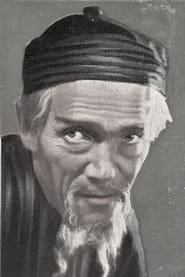
In a remote Teutonic valley, villagers celebrate a wedding with dancing, drinking, and communal revelry, but the mood is interrupted by an old man who begins to recount the region's grim past. His tale reveals that the valley was once dominated by a merciless ruler known as the master of the mountains, whose tyranny cast a shadow over the lives of the people below. As the story unfolds, the film moves between the present celebration and the legend of oppression, using the old man's account to frame a conflict between joy, memory, and fear. The plot develops as the villagers' collective identity is tested by the legacy of violence and the supernatural or folkloric force suggested by the title. The film ultimately turns the mountain's stone rider into a symbol of punitive power, endurance, and the way old terrors linger in local memory.
About the Production
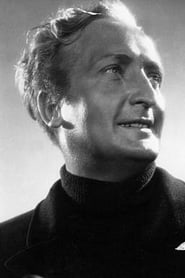
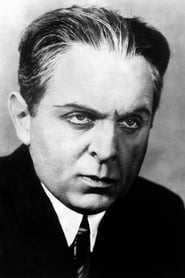
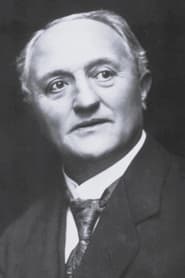
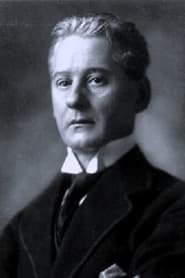
The film was made during the early Weimar Republic period, when German filmmakers were actively exploring expressionist and folkloric subject matter in features outside the large studio productions of UFA. Surviving documentation is limited, so detailed production figures such as budget, shooting schedule, and box office receipts are not reliably established in standard reference sources. The casting of Rudolf Klein-Rogge is notable because he was already becoming associated with psychologically intense and stylized screen roles in German cinema. Fritz Wendhausen's direction places the film among the lesser-known but culturally important silent-era German dramas that blend regional legend, moral allegory, and atmospheric imagery.
Historical Background
The Stone Rider was produced in 1923, a turbulent year in German history during the Weimar Republic, when the country was experiencing severe inflation, political instability, and deep social uncertainty. German cinema of the period often reflected these conditions through stories of authority, oppression, folklore, guilt, and the burden of history. The film's mountain tyrant and haunted valley imagery fit neatly into a broader cultural fascination with Gothic, folkloric, and psychologically charged narratives. It also belongs to the era when German silent cinema was exerting major influence internationally, helping define visual storytelling through shadow, set design, and symbolic imagery.
Why This Film Matters
Although not a canonical title in the way that The Cabinet of Dr. Caligari or Nosferatu are, the film is culturally significant as part of the broader fabric of early German silent cinema. It demonstrates how Weimar filmmakers drew on regional legend and allegory to dramatize ideas about power, memory, and communal identity. The film is also important for understanding the careers of its cast and crew, especially Rudolf Klein-Rogge, whose performances became associated with sinister authority figures in German cinema. For scholars and archivists, it represents the many silent films that helped shape film culture even when they did not survive in popular memory or become widely distributed in later decades.
Making Of
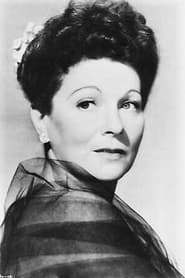
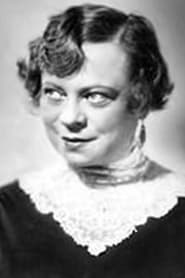
Available behind-the-scenes information is sparse, which is typical for many silent-era German films that did not receive the same level of contemporary publicity as the major UFA prestige productions. What can be established is that the film emerged from the active German silent industry of 1923, a period marked by artistic experimentation, economic instability, and a strong interest in visually dramatic storytelling. The involvement of performers such as Rudolf Klein-Rogge and Lucie Mannheim suggests a casting approach aligned with expressive character work and emotionally heightened roles. As with many early 1920s German films, the production likely relied heavily on studio-built environments and stylized mise-en-scène to evoke the remote valley setting and the legend-like quality of the narrative, though exact shooting details are not securely documented in accessible sources.
Visual Style
The film likely emphasizes strong visual atmosphere, using silent-era composition and contrast to evoke the valley's communal life and the menace of the mountain tyrant. German films of this period often favored dramatic lighting, carefully arranged group tableaux, and stylized settings to heighten emotional and symbolic meaning, and The Stone Rider fits that tradition. The story's framing of a remembered past also suggests a visual strategy that differentiates festive village life from the darker, more legendary portions of the narrative. Even without extensive surviving technical notes, the film is associated with the kind of visually expressive approach that characterized early 1920s German cinema.
Innovations
No specific technical innovation is widely credited to the film in surviving reference materials, but it belongs to the technically mature phase of German silent cinema in which mise-en-scène, lighting, and visual symbolism were highly developed. Its likely strengths lie in atmospheric staging, expressive performance, and the integration of legend-like narrative structure with visual storytelling. The film's framing device and ominous subject matter would have benefited from the silent medium's ability to communicate mood and social memory through imagery rather than dialogue. As an artifact of 1923 German production, it contributes to the broader evolution of stylistically refined silent horror and drama.
Music
As a silent film, The Stone Rider did not have a synchronized recorded soundtrack at the time of its original release. Any music would have been provided live in theaters by a pianist, small ensemble, or local orchestral accompaniment, depending on venue and exhibition practice. No definitive original score is widely documented in accessible reference sources. Modern screenings, if they occur, may use curated silent-film accompaniment created specifically for archive or festival presentations.
Famous Quotes
No reliably documented surviving quotes are widely cited for this silent film.
Any original intertitles are not comprehensively preserved in commonly accessible reference sources.
Memorable Scenes
- The opening wedding celebration, with villagers dancing and drinking in apparent joy before the story turns to the valley's troubled past.
- The old man's narration that transforms the festive gathering into a communal recollection of oppression and fear.
- The revelation of the master of the mountains as a symbol of despotism over the village.
- The film's shifting mood between present celebration and remembered suffering, which gives the legend its dramatic force.
Did You Know?
- The film is also known by its German title, which is the primary title used in archival references.
- It was directed by Fritz Wendhausen, a filmmaker who worked in German cinema during the silent era but remains less widely remembered than contemporaries such as Murnau, Lang, or Pabst.
- Rudolf Klein-Rogge's involvement links the film to a major lineage of German screen villainy and expressionist performance style.
- The film is associated with a folkloric or legendary atmosphere rather than a straightforward realist drama, which was a common mode in some early 1920s German productions.
- Its plot frame of an old man recounting the valley's dark past gives it a story-within-a-story structure.
- The surviving record indicates a 1923 release, placing it amid a prolific period for silent German cinema.
- The film is not as widely documented as major classics of the era, which has contributed to limited public familiarity today.
- Because of its obscurity, it is often discussed through archival listings and filmographic databases rather than extensive critical monographs.
What Critics Said
Contemporary critical reception is not well documented in widely accessible sources, and the film did not achieve the lasting critical visibility of major German expressionist landmarks. In modern scholarship, it is generally treated as an obscure but noteworthy example of 1920s German dramatic and horror-inflected filmmaking. Its value today lies less in a large body of criticism and more in its place within the historical record of silent German cinema and the careers of its principal artists. Where discussed, it is typically appreciated for its atmosphere, legend-based structure, and contribution to the period's visual and thematic concerns.
What Audiences Thought
Audience reception records are not readily available in surviving mainstream references, and the film's obscurity suggests that it did not maintain a broad popular afterlife outside specialist circles. Like many silent-era films, its original audience response would have depended heavily on local exhibition context, intertitles, live musical accompaniment, and contemporary taste for melodrama and folklore. Today, it is primarily encountered by archivists, historians, and classic-film enthusiasts rather than general audiences. Its current reception is therefore shaped more by historical curiosity and preservation interest than by mass popularity.
Film Connections
Influenced By
- German folklore and mountain legends
- Expressionist and gothic trends in Weimar cinema
- Silent-era tale-frame storytelling traditions
This Film Influenced
- No specific direct influence is securely documented in accessible sources
You Might Also Like
More Drama Films
View allFilm Restoration
The film is not widely regarded as lost in standard filmographic references, but it is obscure and incompletely documented. Surviving prints or archival holdings may exist in specialized collections, though public accessibility is limited and preservation details are not consistently published. It should therefore be treated as a rare silent film with uncertain circulation rather than as a widely restored or readily available title.