Warning Shadows
Plot
At a dinner party in a wealthy German baron’s country manor, tension simmers among the host, his elegant wife, and the four men who are openly or secretly vying for her attention. The evening takes an uncanny turn when a shadow-player arrives and performs a theatrical demonstration that becomes more than mere entertainment: his silhouettes seem to embody the guests’ hidden desires, jealousies, and possible future actions. As the Baron’s suspicion grows and the suitors’ behavior becomes increasingly fraught, the gathering slips into a hallucinatory drama in which the line between a projected warning and an actual supernatural intervention remains uncertain. The shadow performance appears to offer the household a vision of what might happen if jealousy and desire are allowed to run unchecked, giving the baron and the guests a chance to avert catastrophe. By the end, the film leaves the audience with an ambiguous, dreamlike impression: whether the warning was a psychological mirror, a moral lesson, or a genuinely uncanny visitation is left deliberately unresolved.
About the Production
Warning Shadows was produced during the high point of Weimar-era studio filmmaking and is closely associated with the German Kammerspielfilm tradition, emphasizing psychological tension, chamber-piece staging, and expressive visual design over elaborate exterior action. The film is especially notable for its heavy reliance on controlled lighting, elaborate shadow play, and camera choreography to create an atmosphere of suspense and moral unease. Contemporary sources and later scholarship often note that the film’s style sits at the crossroads of Expressionist stylization and more intimate, psychologically realistic storytelling. Because many silent-era production records are incomplete, precise budget and box-office figures are not reliably documented in standard references.
Historical Background
Warning Shadows was produced in the early Weimar Republic, a period marked by post-World War I instability, rapid cultural experimentation, and extraordinary innovation in German cinema. In 1923, Germany was also enduring severe economic turmoil, including hyperinflation, which shaped the broader social atmosphere in which films were made and consumed. The film belongs to a moment when German filmmakers were increasingly exploring psychological subject matter, visual symbolism, and formal experimentation as ways to express inner states and social anxieties. Its focus on jealousy, temptation, and the possibility of moral catastrophe reflects the era’s preoccupation with unstable identities and hidden impulses. Historically, the film matters because it shows how Weimar cinema could combine artistic refinement with popular genre elements such as suspense, fantasy, and eerie ambiguity.
Why This Film Matters
The film is culturally significant as an early and elegant example of how cinema can externalize interior emotion through lighting, shadow, and visual design. It helped solidify the reputation of German silent cinema as a world leader in atmospheric storytelling, influencing later understandings of what film could do beyond straightforward narrative realism. Scholars and cinephiles value it for its blend of psychological drama and uncanny spectacle, a combination that anticipates later horror and thriller traditions. The film also remains important in discussions of the Kammerspielfilm form, demonstrating how intimate domestic settings could generate high dramatic tension and visual sophistication. Its enduring reputation comes from its conceptual originality: it turns a shadow performance into both a plot device and a meditation on the power of cinema itself.
Making Of
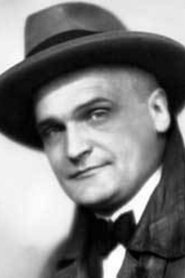
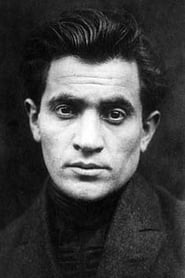
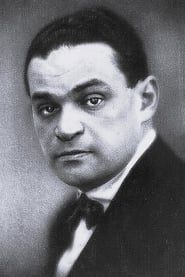
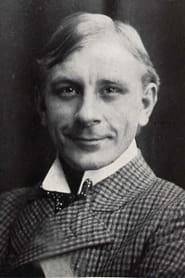
Warning Shadows was made at a moment when German studio filmmaking was becoming internationally admired for its technical sophistication and visual boldness. Arthur Robison used the limited space of a single evening’s dinner gathering to create a highly controlled dramatic structure, allowing lighting, gesture, and framing to carry much of the narrative weight. The shadow-player figure functions as both an in-story performer and a cinematic device, giving the production an opportunity to explore layered images, silhouettes, and visual doubling that would have been especially striking in silent projection. The casting of Alexander Granach and Fritz Kortner brought intense theatrical presence to the film, and their performances helped define the psychological pressure of the central conflict. The production reflects the era’s fascination with stagecraft, illusion, and the unstable boundary between performance and reality, which was a hallmark of many ambitious German films of the early 1920s.
Visual Style
The cinematography is one of the film’s defining achievements, using dramatic contrasts of light and shadow to create a sense of moral and psychological uncertainty. Rather than relying on overt special effects, the film derives much of its power from silhouette compositions, the placement of bodies within dark interiors, and the suggestive transformation of ordinary space into a stage of dread. The camera and lighting design support the shadow-player sequence as a central visual conceit, allowing projected figures to become as expressive as the actors themselves. The overall style is restrained but highly controlled, with visual compositions that heighten the tension of glances, gestures, and the domestic environment. The result is a film whose imagery feels both theatrical and distinctly cinematic, especially in the way it uses darkness as a storytelling element.
Innovations
The film’s most notable technical achievement is its sophisticated use of shadow imagery as both narrative device and visual spectacle. It demonstrates an advanced understanding of how lighting, composition, and silhouette can create meaning without dialogue. The shadow-player sequence is particularly important as an early cinematic exploration of layered illusion, where projected forms and live action interact to destabilize reality. The production also exemplifies the German studio’s ability to create psychologically charged interiors with controlled set design and precise visual blocking. In the broader history of cinema, the film stands out for treating shadows not simply as decorative effects but as an organizing principle of the entire drama.
Music
As a silent film, Warning Shadows did not have an original synchronized sound track in the modern sense. Like most silent-era films, it would originally have been accompanied by live music, which could vary by venue and screening practice. Surviving modern presentations may feature newly compiled or reconstructed accompaniment depending on the archive or distributor. The film’s atmosphere strongly invites moody scoring because its visual rhythm, shadow imagery, and psychological tension are structured almost like a musical crescendo. Specific original cue sheets or premiere accompaniment are not reliably documented in standard sources.
Memorable Scenes
- The shadow-player’s performance, in which the projected silhouettes become a warning that seems to mirror the guests’ hidden emotions and possible futures.
- The dinner-table sequence, where glances, pauses, and subtle reactions gradually turn an elegant social gathering into a chamber of suspicion.
- The moments in which shadow imagery appears to transform ordinary domestic space into a dreamlike, morally charged landscape.
- The climactic revelation-like passage, where the film’s uncertainty about whether the audience has witnessed a supernatural vision or a psychological projection becomes most pronounced.
Did You Know?
- The film is one of the best-known examples of German silent cinema built around the motif of shadow play, making the title especially literal and thematically central.
- It was directed by Arthur Robison, a filmmaker often associated with psychologically oriented silent films and carefully staged visual storytelling.
- The cast includes major Weimar-era performers Alexander Granach, Fritz Kortner, and Ruth Weyher, all of whom were significant figures in German screen and stage acting.
- The film is frequently discussed as a Kammerspielfilm, meaning a chamber drama that concentrates on a small group of characters and heightened psychological conflict.
- Its ambiguous framing device encourages viewers to question whether the shadow-player’s warning is supernatural, symbolic, or a projection of the characters’ own fears and desires.
- The film’s visual atmosphere has made it a recurring reference point in discussions of German Expressionism, even though it is often subtler and more intimate than the most extreme expressionist classics.
- Because of its stylized use of light and dark, the film is sometimes cited in scholarship on the aesthetics of cinematic shadow, illusion, and theatricality.
- The original German title is Schatten - Eine nächtliche Halluzination, which underscores the film’s dreamlike, hallucinatory quality.
- It survives today as an important artifact of early 1920s German cinema and is still screened in retrospectives of silent film and Weimar film history.
- The movie’s mood of suspended reality and moral suspense makes it a key predecessor to later psychological thrillers and horror-inflected chamber dramas.
What Critics Said
Contemporary reception is not as fully documented in widely accessible English-language sources as that of some other major Weimar films, but the film was recognized as a notable artistic achievement within German silent cinema. Later critics and historians have been especially interested in its atmosphere, its use of shadow imagery, and its place between Expressionism and chamber-drama realism. Modern critical evaluation tends to praise its visual inventiveness, controlled pacing, and ambiguity, even when noting that its narrative is less famous than the canonical horrors of the period. It is now regarded as an important though somewhat under-seen classic, especially by viewers interested in the development of psychological and visual styles that later became central to film noir and horror cinema.
What Audiences Thought
Audience reaction in 1923 is not thoroughly documented in surviving mainstream sources, but the film’s stylistic boldness and star performers likely helped it attract attention among urban art-film audiences. As a silent German production with supernatural and psychological elements, it would have appealed to viewers interested in sophisticated melodrama and visual spectacle rather than broad comedy or action. In later decades, audiences encountering the film through archival screenings or restorations have often responded strongly to its eerie mood and its striking interplay of performance and design. Today it is most commonly appreciated by classic-film audiences, silent-film enthusiasts, and viewers drawn to early horror-adjacent cinema.
Film Connections
Influenced By
- German Expressionist theater and design traditions
- Kammerspielfilm chamber-drama style
- Stage magic and shadow puppetry traditions
- Psychological melodramas of the silent era
This Film Influenced
- Later German psychological thrillers
- Silent-era horror and suspense films that emphasize atmosphere over action
- Film noir aesthetics of shadow, jealousy, and moral ambiguity
- Modern chamber-piece thrillers that use confined settings and escalating psychological tension
You Might Also Like
More Thriller Films
View allMore from Arthur Robison
View allFilm Restoration
The film survives and is preserved in archival circulation; it is not generally regarded as lost. It has been available through repertory screenings and home-video or archive-oriented releases in various territories, though availability can be limited and print quality may vary depending on the source element. As with many silent films, surviving materials may derive from restoration or preservation copies rather than original camera negatives.