
Dementia 13
"Inheritance games while an axe waits in the dark."
Keys: Space play/pause · ←/→ 10s · F fullscreen · M mute · </> speed
About this film
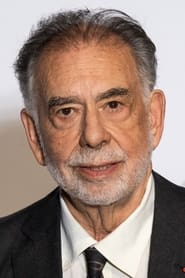
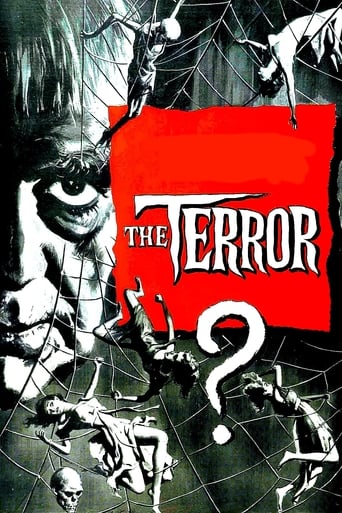
A scheming widow hides her husband's death to claim his Irish estate, moving the body and manipulating relatives while an axe murderer prowls the castle grounds. Francis Ford Coppola's Roger Corman-produced debut threads gothic violence through family greed on a shoestring budget shot in Ireland.
Cast & crew
More films like this
More Horror films
View all →

More about this film
About the production
Release dateOctober 1963
Budget$40,000
Box officeLimited theatrical release, modest earnings - exact figures not documented
ProductionAmerican International Pictures (AIP), The Filmgroup
Filmed inArdmore Studios, County Wicklow, Ireland, Dublin, Ireland
This was Francis Ford Coppola's directorial debut, hired by Roger Corman after the original director was fired. The film was originally intended to be a psychological thriller but Corman demanded more horror elements and gore. Coppola shot the film in just 11 days on a shoestring budget, utilizing the Irish location for tax benefits and atmospheric settings. The production faced numerous challenges including limited equipment, harsh weather conditions, and Coppola's inexperience as a director. During post-production, Corman fired Coppola and had the film re-edited without his approval, adding additional horror scenes shot by another director.
Themes
Family secrets and inherited traumaGreed and moral corruptionThe psychological impact of death and lossDeception and manipulationThe destructive nature of revenge
Themes & topics
ax murdererIrish castlefamily inheritancepsychological horrorgothic atmospherewidowfamily secretsrevenge plotdrowningmanipulationmurder mysteryhaunting pastestatedeceptionsibling rivalry
Historical background
Coppola shot the thriller in 1963 for Corman's Filmgroup on a reported $40,000 budget, often at night around Dublin and Killarney.
Why this film matters
The film launched Coppola's feature career and remains a staple example of low-budget AIP horror that paid homage to Psycho-era suspense.
Making of
The production of 'Dementia 13' began when Roger Corman needed a film to utilize unused footage and sets from another production. Coppola, then a young screenwriter working for Corman, was given the opportunity to direct after impressing Corman with his work on the script. The production was rushed and underfunded, with Coppola having to work with minimal crew and equipment. The Irish location shoot provided atmospheric settings but presented challenges including language barriers with local crew and unpredictable weather. Coppola attempted to create a sophisticated psychological thriller influenced by European art cinema, but Corman demanded more traditional horror elements. After principal photography, Corman was dissatisfied with the cut and brought in Jack Hill to shoot additional gore scenes. Coppola was locked out of the editing process, and his original vision was significantly altered. This experience taught Coppola valuable lessons about maintaining creative control, which he applied to his later, more successful films.
What critics said
Contemporary reviewers treated it as competent program horror; later critics read it as a proving ground for Coppola before he moved to larger productions.
Did you know?
- This was Francis Ford Coppola's feature film directorial debut at age 23
- Roger Corman originally hired Coppola to write and direct additional scenes for an existing film, but ended up letting him direct the entire project
- The film fell into the public domain due to copyright notice issues, making it widely available on budget DVD releases and streaming platforms
- Coppola was fired during post-production and was not allowed to participate in the final edit
- The original title was 'The Haunted and the Hunted' before Corman changed it to 'Dementia 13' to capitalize on the success of 'Dementia' (1955)
- The film was shot in Ireland primarily to take advantage of tax incentives for foreign productions
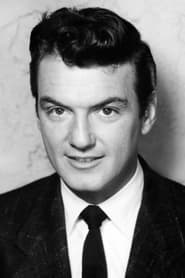
- William Campbell, who played Richard Haloran, later appeared in two Star Trek episodes and became a convention favorite
- The axe murder scenes were added by Corman against Coppola's wishes to make the film more commercially viable
- Coppola's brother, August Coppola, appears briefly as an extra in the film
- The film's success led to Coppola being hired by Warner Bros. to direct 'You're a Big Boy Now' (1966)
- Despite being fired, Coppola used the experience and footage to create his own director's cut which was screened at film festivals years later
Visual style
The cinematography, credited to Charles 'Chuck' Bennett, makes effective use of the Irish locations and limited resources to create a gothic atmosphere. The film employs stark black and white photography that emphasizes shadows and creates a sense of isolation and dread. Bennett utilizes the natural misty Irish landscape to enhance the eerie mood, particularly in scenes around the pond where Kathleen died. The camera work includes several innovative tracking shots and unusual angles that suggest Coppola's artistic ambitions despite the film's exploitation origins. The axe murder scenes feature more dynamic camera work, with handheld techniques and quick cuts that heighten the violence. The cinematography successfully transforms the limited budget into an advantage, using darkness and shadow to conceal production limitations while building suspense. The visual style shows influences from both classic film noir and European horror cinema of the period.
Innovations
Despite its minimal budget, 'Dementia 13' achieved several technical innovations that were noteworthy for a low-budget production. The film's use of actual Irish locations rather than studio backlot sets gave it an authenticity that was rare for exploitation films of the era. The sound recording techniques developed for the echoey castle interiors created effective acoustic environments that enhanced the horror atmosphere. The special effects for the axe murders, while simple, were innovative in their use of camera angles and editing to create maximum impact with minimal resources. The film's lighting design successfully created a gothic mood using primarily available light and simple setups, demonstrating how creative solutions could overcome technical limitations. The production also pioneered certain cost-saving measures in overseas filming that would become standard practice for future low-budget productions. These technical achievements within severe constraints showed remarkable ingenuity and resourcefulness.
Music
The film's score was composed by Ronald Stein, a frequent collaborator with Roger Corman. Stein's music combines traditional horror film elements with more experimental passages that reflect the psychological nature of the story. The soundtrack features eerie string arrangements and dissonant piano motifs that enhance the film's atmosphere of dread. Stein incorporates Irish musical elements subtly, reflecting the film's setting without becoming overtly folkloric. The music during murder scenes is particularly effective, using percussive elements and sharp staccato strings to create tension. The score was recorded with limited resources but manages to create a distinctive sound that sets it apart from other horror films of the era. While not as well-known as other horror soundtracks of the period, Stein's work on 'Dementia 13' has gained appreciation among film music enthusiasts for its creative approach within the constraints of a low-budget production.
Famous quotes
You know, I've always thought that death was terribly romantic... until I actually saw it.
There's something about this place... something evil.
Money makes people do terrible things, doesn't it?
The past never really dies, it just waits.
Some secrets are better left buried... with the people who keep them.
Memorable scenes
- The opening sequence where Louise discovers her husband's death and immediately begins plotting her inheritance scheme
- The atmospheric scene at the pond where Kathleen died, with mist rising from the water as family members recall the tragedy
- The first axe murder in the greenhouse, featuring innovative camera work and surprising violence for the era
- The climactic revelation scene in the castle where the killer's identity and motives are finally exposed
- The final confrontation in the castle's underground passages, combining gothic atmosphere with psychological tension
What audiences thought
Initial audience reception was modest, with the film performing adequately in drive-in theaters and grindhouse circuits where it was primarily released. Over the decades, the film developed a cult following among horror enthusiasts and Coppola completists. Its public domain status made it a staple of late-night television and budget video releases, exposing it to generations of horror fans. Modern audiences often discover the film through streaming platforms or special edition Blu-ray releases, with many expressing surprise at its quality given its exploitation origins. The film has found appreciation among fans of 1960s horror and those interested in the early works of major directors. While not as well-known as other horror classics of the era, 'Dementia 13' maintains a dedicated following that appreciates its atmospheric qualities and historical significance as Coppola's debut.
Film connections
Influenced by
- Alfred Hitchcock's 'Psycho' (1960)
- William Castle's horror productions
- British Hammer horror films
- Italian gothic horror cinema
- Film noir visual style
- Roger Corman's Poe adaptations
- German expressionist cinema
- Classic gothic literature
This film influenced
- Later low-budget psychological horror films
- Independent horror productions of the 1970s
- Slasher films of the 1980s
- Modern gothic horror revivals
- Other directorial debut horror films
Film restoration
The film fell into the public domain due to copyright notice issues, making it widely available but also resulting in numerous poor quality copies. Several restoration attempts have been made by various distributors, with the best quality versions coming from original 35mm elements. The film has been preserved in various archives, though the original camera negative's location is uncertain. Multiple DVD and Blu-ray releases offer varying degrees of quality, with some special editions including Coppola's original cut. The public domain status has both helped preserve the film through wide distribution and hurt it through the proliferation of degraded copies. Film preservation societies have worked to maintain and restore the best available elements of this historically significant debut feature.
Where to watch
- Available on multiple streaming platforms due to public domain status including YouTube, Tubi, and Pluto TV
- DVD releases from various public domain distributors
- Blu-ray editions from specialty labels like Shout! Factory and Arrow Video
- Digital purchase on Amazon Prime Video and iTunes
- Occasionally featured on horror streaming services like Shudder
- Available through public library streaming services like Kanopy
- Included in various Francis Ford Coppola box sets
- Free viewing on Internet Archive and other public domain archives